
STORYTELLING
The Power of Storytelling in Packaging Design
In today's saturated market, where consumers are bombarded with countless options, the key to capturing attention and loyalty lies not in the product itself, but in the story behind it. This approach transcends mere sales tactics, delving into the heart of what makes a brand resonate with its audience. Here’s why incorporating ideas, stories, and experiences into packaging design is crucial in modern marketing.
From Brand Truth to Visual Narrative
Effective brand storytelling begins with a truth the brand can genuinely own: its origin, purpose, product difference, cultural role or relationship with its audience. The first step is to identify that central idea and decide what the audience should understand or feel. Imaginity’s brand consulting process defines the strategic foundation before the narrative is translated into design.
The story then becomes a system of recognizable assets. A symbol can represent origin, a color palette can organize a portfolio, typography can establish tone, and imagery can communicate product character or usage. These choices form a visual identity that can move coherently across packaging, retail, print and digital applications. The objective is not to place every part of the story on one package, but to select the clearest message for each touchpoint while keeping the narrative consistent.
THE CONCEPT BEHIND THE CREATION
Consumers are increasingly interested in the "why" behind what they buy. Understanding the idea that sparked a creation provides a deeper connection and appreciation. It’s not just about what the product does, but why it exists in the first place. By communicating the initial spark of creativity and the problem-solving drive through packaging design, companies can align their vision with the values and needs of their audience.

THE FOUNDER’S JOURNEY
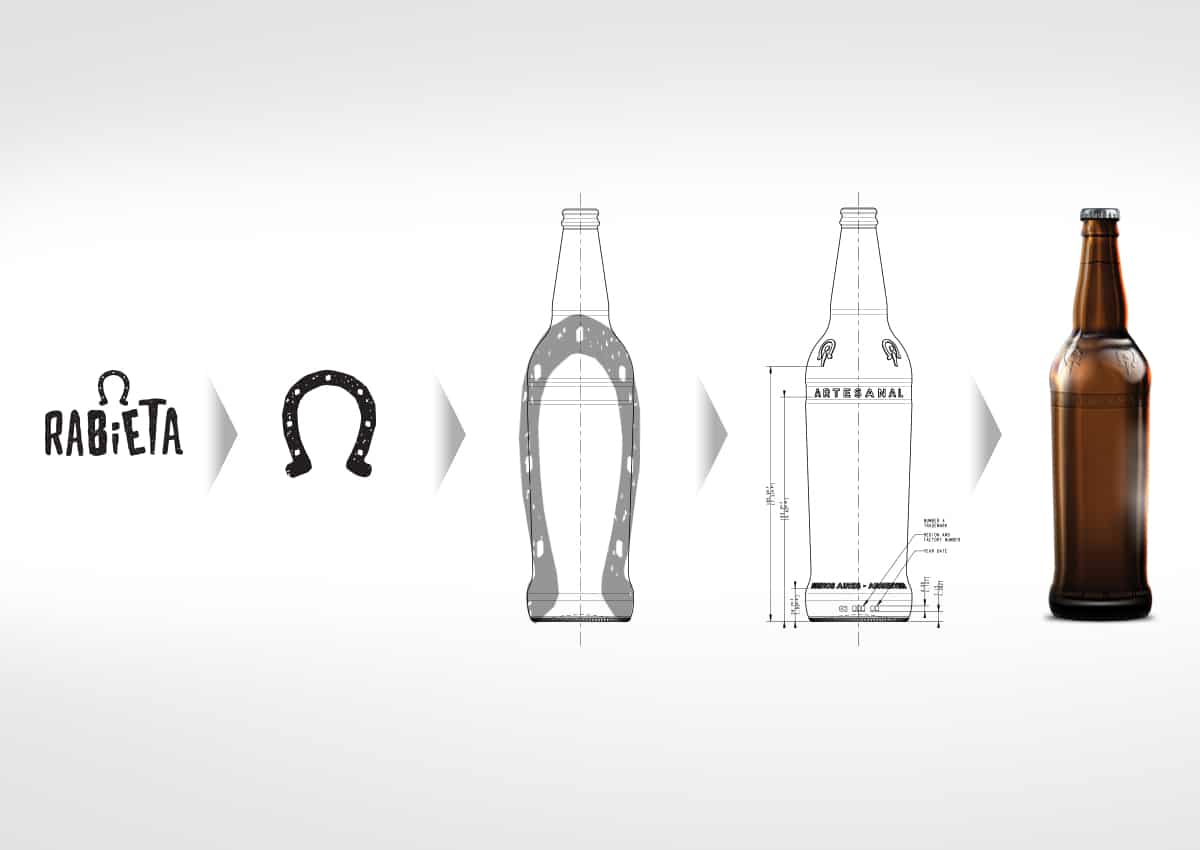
Humanizing a brand through the story of its founder creates a personal connection. People are drawn to narratives of passion, perseverance, and success against the odds. Incorporating elements of the founder’s journey into packaging design builds authenticity and trust, making the brand relatable and inspiring. This personal touch can be the differentiating factor that sets a company apart in a crowded marketplace.
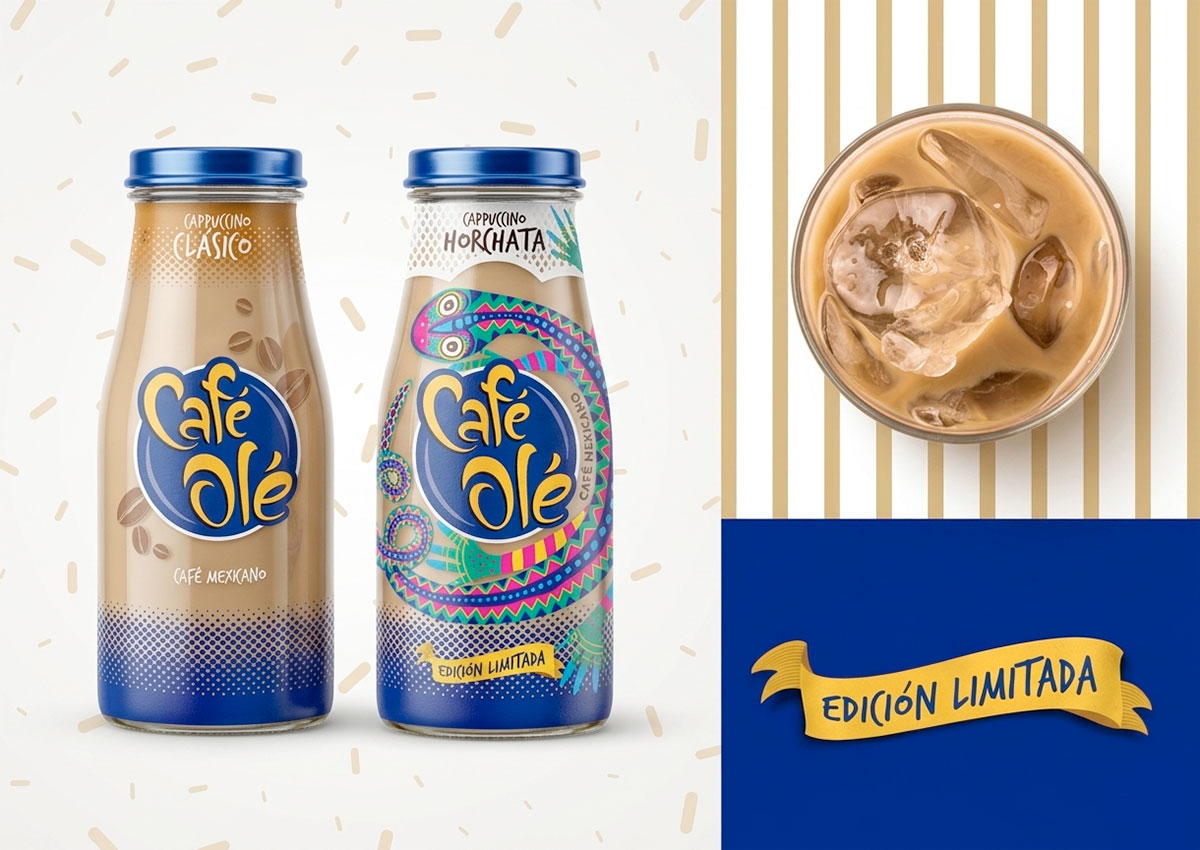
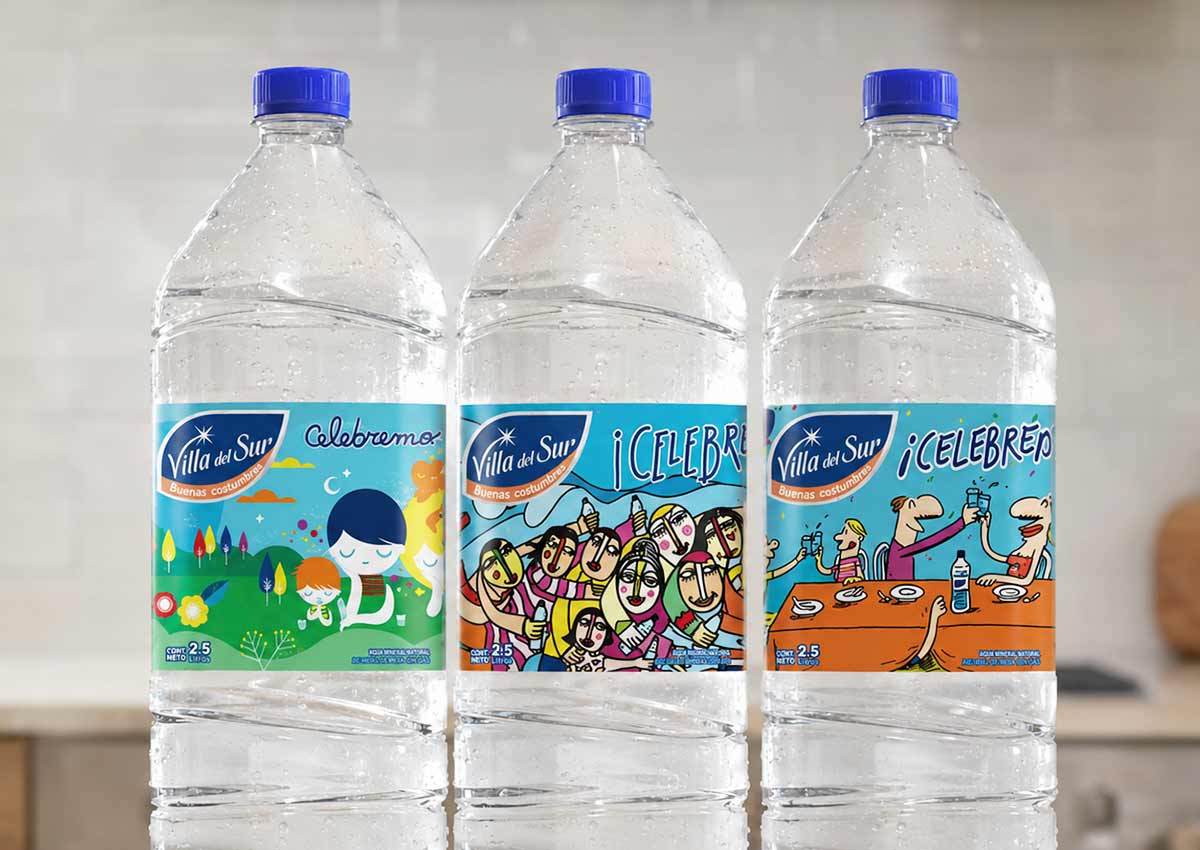
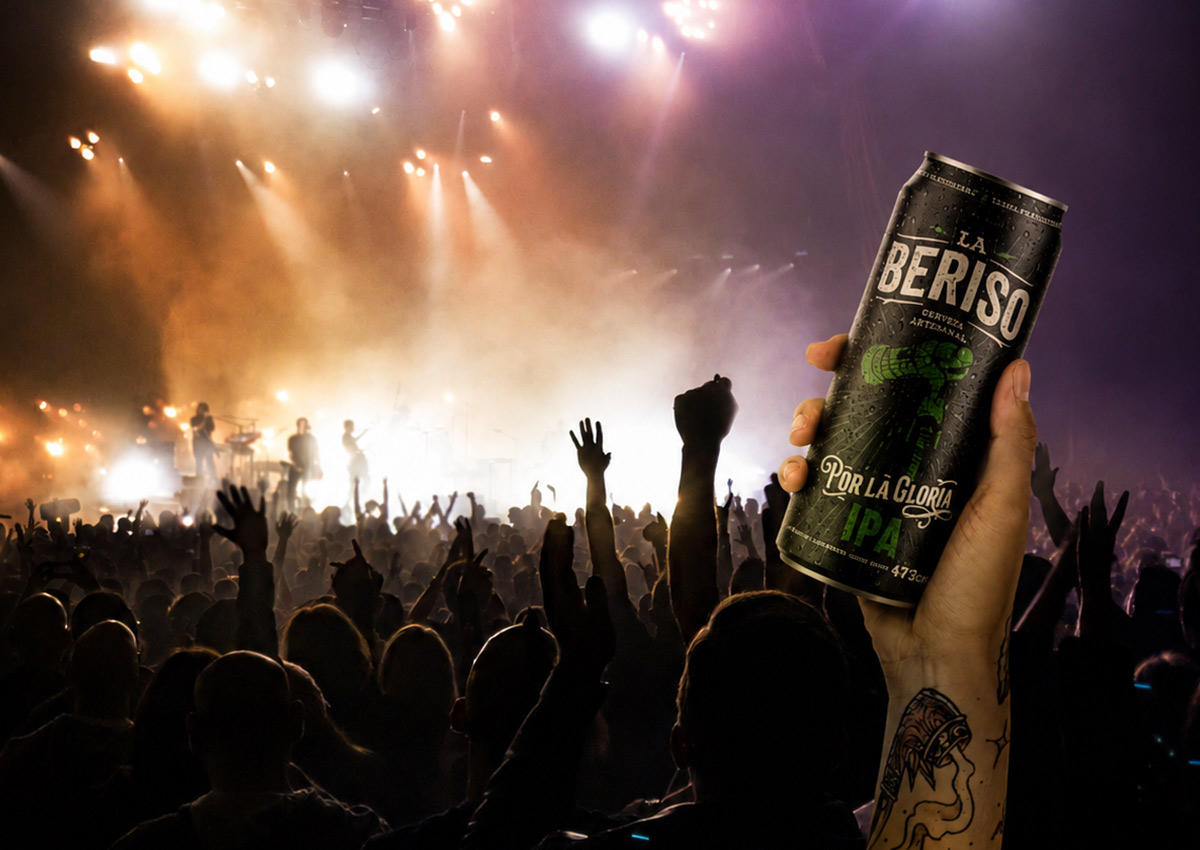
Explore packaging storytelling for Villa del Sur, Café Olé and La Beriso in our beverage packaging case studies.


CRAFTSMANSHIP AND QUALITY
In an age of mass production, the story of how a product is made can be a powerful differentiator. Detailing the meticulous craftsmanship, the technology used, and the dedication to quality assurance through packaging design not only assures consumers of the product’s excellence but also showcases the brand’s commitment to high standards. This transparency fosters trust and demonstrates a brand's dedication to providing the best for its customers.

EMOTIONAL CONNECTION THROUGH JOY
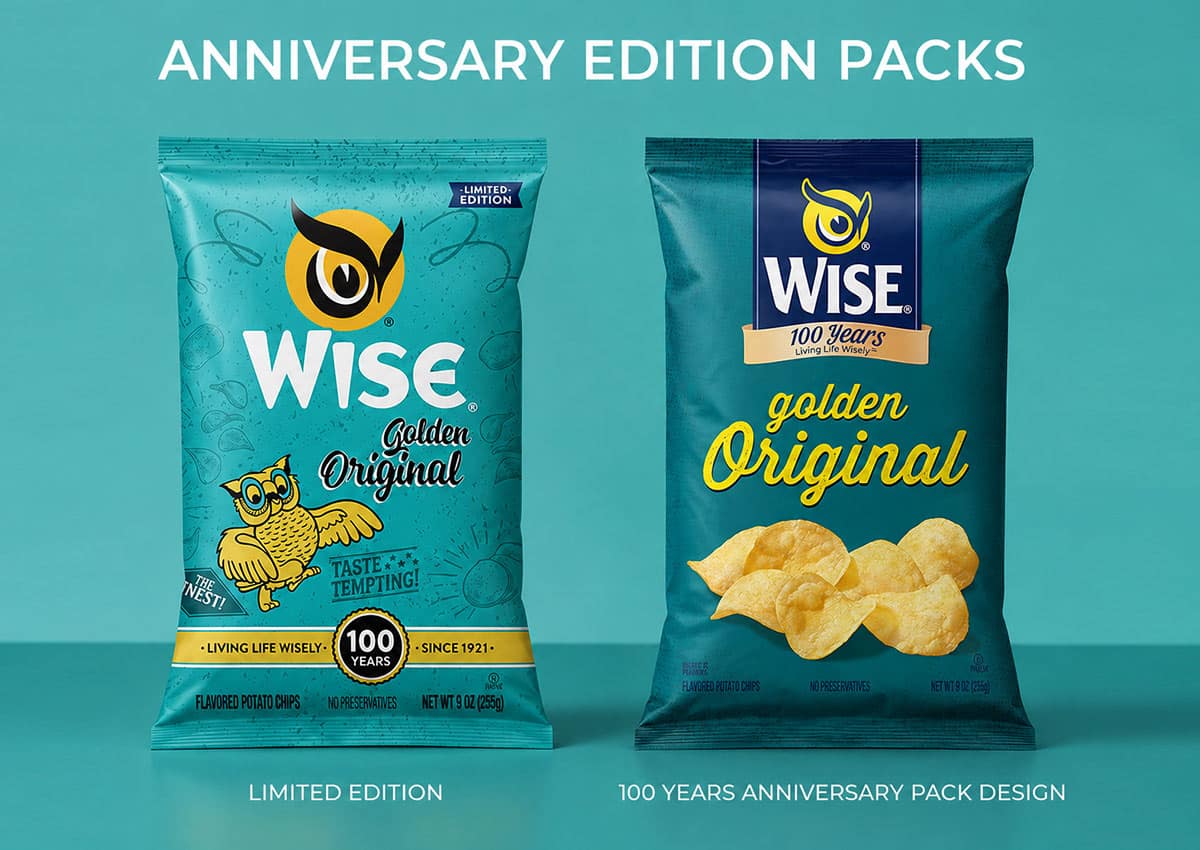
Products that bring joy and satisfaction create lasting emotional connections. Using packaging design to share customer testimonials and real-life stories of how the product has positively impacted lives adds a human element to marketing. These narratives can evoke emotions, making the product more memorable and desirable. Emotional connections are a powerful driver of customer loyalty and word-of-mouth referrals.
HIGHLIGHTING TANGIBLE BENEFITS
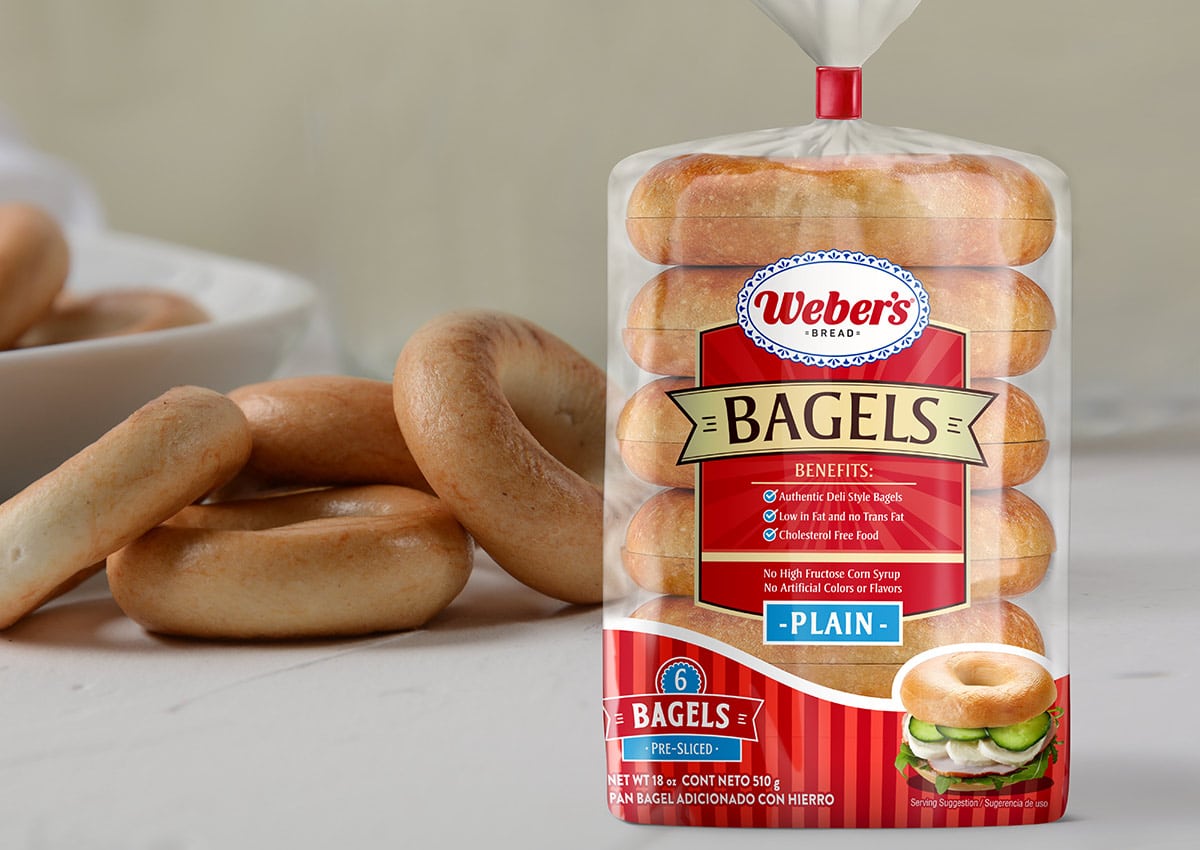
While stories and emotions are vital, consumers also need to understand the practical benefits of a product. Clear communication of how a product improves life, saves time, or enhances efficiency bridges the gap between emotional appeal and rational decision-making. Highlighting these benefits on the packaging makes the product relevant and essential.

CONVINCING THROUGH AUTHENTIC EXPERIENCE
Ultimately, the most convincing marketing comes from authentic experiences. Thoughtfully designed packaging invites consumers to engage with the brand’s story, understand its values, and experience the product firsthand. This creates a compelling narrative that goes beyond traditional advertising, fostering a community of advocates who genuinely believe in and promote the brand.

How Brand Storytelling Works in Practice
For Cristal Beer, the Tierras Altas mountains became part of the refreshed shield, turning the brand’s Panamanian origin into a distinctive visual asset. For Rabieta, the equestrian idea moved beyond words: the horseshoe influenced the bottle form, and details on the glass reinforced the craft-beer brand’s character and Argentine origin.
Storytelling can also organize a complex brand ecosystem. In the Mercado Libre identity renewal, the recognizable handshake was simplified for contemporary digital use while the visual architecture clarified the relationship between Mercado Libre, Mercado Pago and other parts of the ecosystem. In each case, the narrative is expressed through decisions that audiences can see and recognize—not through an added slogan alone.