Branding and Visual Identity
Brand Identity Design for CPG and Consumer Brands
Imaginity creates and evolves brand identity systems for food, beverage, personal care, OTC and other consumer brands. We connect brand strategy, positioning, naming, visual identity and brand guidelines so each brand works consistently across packaging, retail and digital touchpoints.
- New brand identity systems
- Evolution of established brand assets
- Visual architecture for masterbrands, sub-brands and portfolios
- Brand guidelines and application principles
What Is Branding?
Branding is the process of defining, building and expressing what a brand stands for. It connects positioning, values, personality, story and visual identity in one recognizable system.
A brand is more than a name or logo. It shapes what people understand about a product, service or company, why they consider it distinctive and what they expect from every interaction. Strong branding keeps that meaning clear and consistent across packaging, retail, communications and digital touchpoints.
When the brand system needs to evolve
A brand may still be familiar while becoming difficult to manage. The logo has changed in different channels. Product families no longer look related. A sub-brand competes with the masterbrand. The story is clear inside the company but invisible to customers. Teams and partners make inconsistent decisions because the identity has no practical rules.
Branding brings those elements back into one system. The work defines what must remain recognizable, what needs to evolve and how every visual asset should work together across the applications that matter to the business.
If the underlying position or portfolio structure is still unresolved, brand consulting should come first. Branding turns that strategic direction into an identity people can recognize and teams can apply.
What our branding service includes
Brand identity creation
For a new company, product or service brand, we develop the core visual language: logo or wordmark, symbol, color, typography, imagery and the relationships between them. Each element has a defined role, so the identity can move beyond a launch asset and become a usable system.
When the name is not yet resolved, a separate brand naming process can establish the name and rationale before or alongside identity development.
Brand evolution and redesign
Established brands often need change without a break from the equity people already know. We identify the assets that carry recognition, then refine the elements that limit clarity, relevance or flexibility. The result is an evolution with a visible reason for every change.
Visual brand architecture
Masterbrands, sub-brands, services and product families need clear relationships. We translate an approved architecture into a visual system: endorsement rules, hierarchy, naming relationships and shared or distinctive assets. For teams still deciding how the portfolio should be organized, the brand architecture framework provides the upstream strategic context.
Values, personality and brand story
Values and brand storytelling matter when they change a design decision. We convert them into usable principles for tone, color, typography, imagery, symbols and other distinctive assets. This gives the identity a consistent character without relying on a generic list of adjectives.
When a character is central to recognition, mascot creation and evolution can define its personality, expressions, poses and use across channels.
Identity guidelines and application principles
An identity must remain recognizable in the hands of different teams and partners. Guidelines define logo behavior, color, typography, imagery, spacing, hierarchy and representative applications. They protect consistency while leaving enough flexibility for the brand to work in different formats.
A brand identity is a system, not just a logo
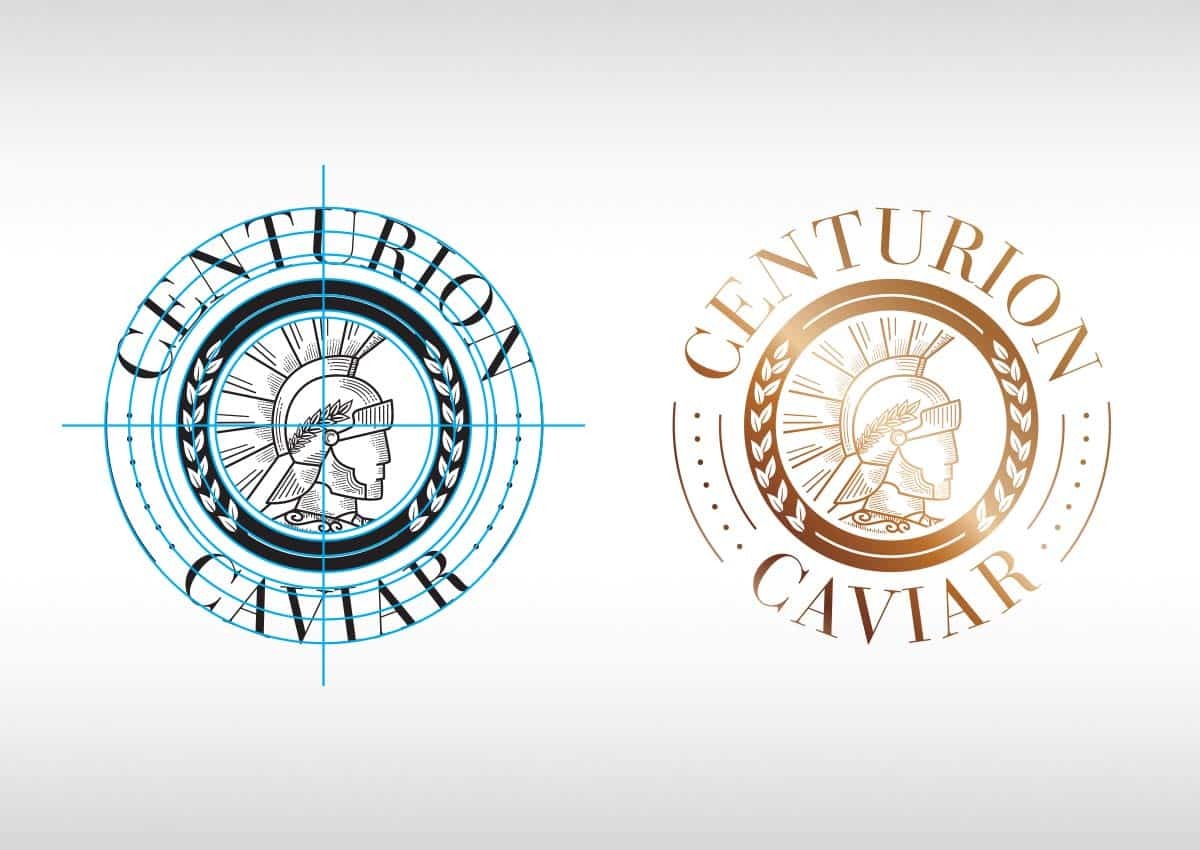
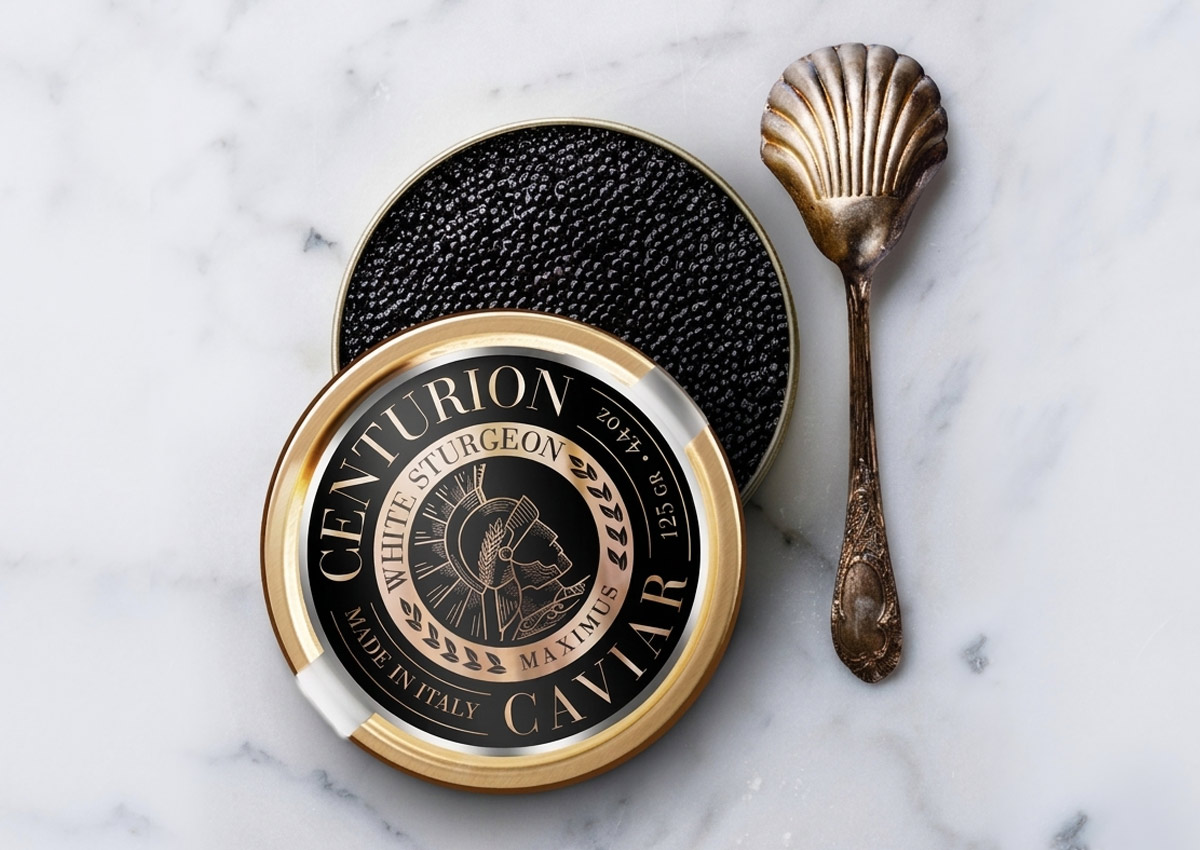
A logo can identify a brand, but it cannot organize an entire experience on its own. Recognition comes from the repeated relationship between assets: the symbol, wordmark, color, typography, imagery, voice and the way they adapt across touchpoints.
Our approach treats every identity decision as part of that relationship. The system should be distinctive enough to be recognized, structured enough to be managed and flexible enough to work from a small digital interface to packaging, retail communication and physical environments.
From brand brief to identity system
1. Business and brand immersion
We review the business change behind the project, the audience, markets, portfolio, current identity and the touchpoints the new system must support.
2. Equity and context review
We examine existing assets, category conventions, competitors and past applications. For an established brand, this stage separates valuable recognition from elements that no longer perform their role.
3. Identity direction and architecture
We define the design principles, the role of each asset and the relationships the system must express across the masterbrand, sub-brands or product families.
4. Creative exploration
Distinct visual directions explore how the agreed positioning, values and personality can become a recognizable identity. The work may include wordmark, symbol, typography, color, imagery and character relationships according to the brief.
5. System development and application tests
The selected direction is refined as a complete system and tested in the formats that matter to the project. This reveals where hierarchy, legibility or flexibility needs further resolution before approval.
6. Guidelines and handoff
We organize the approved identity into clear rules, assets and representative examples for internal teams and external partners.
Selected branding work
Mercado Libre: One Identity for a Growing Ecosystem
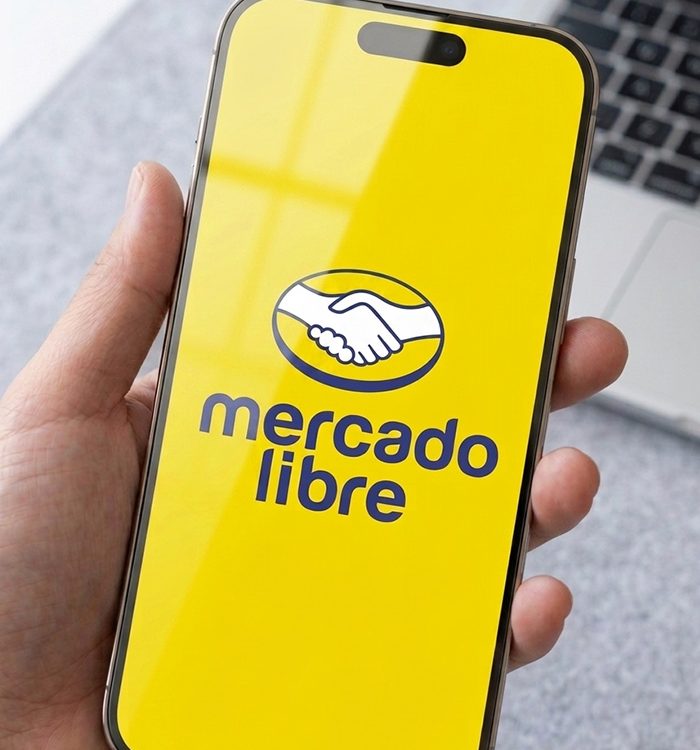
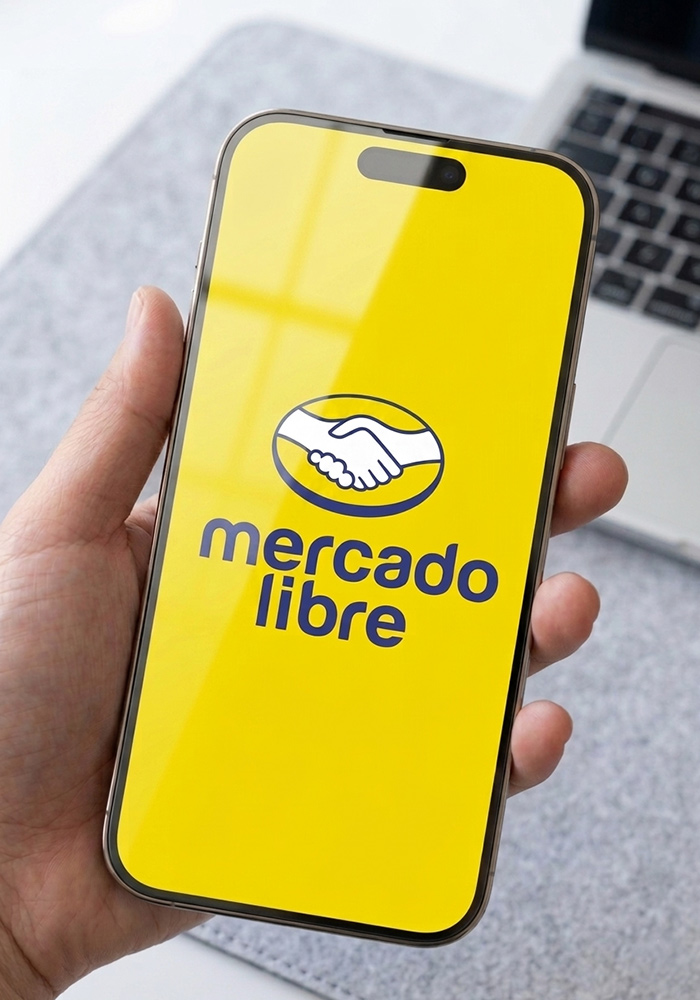
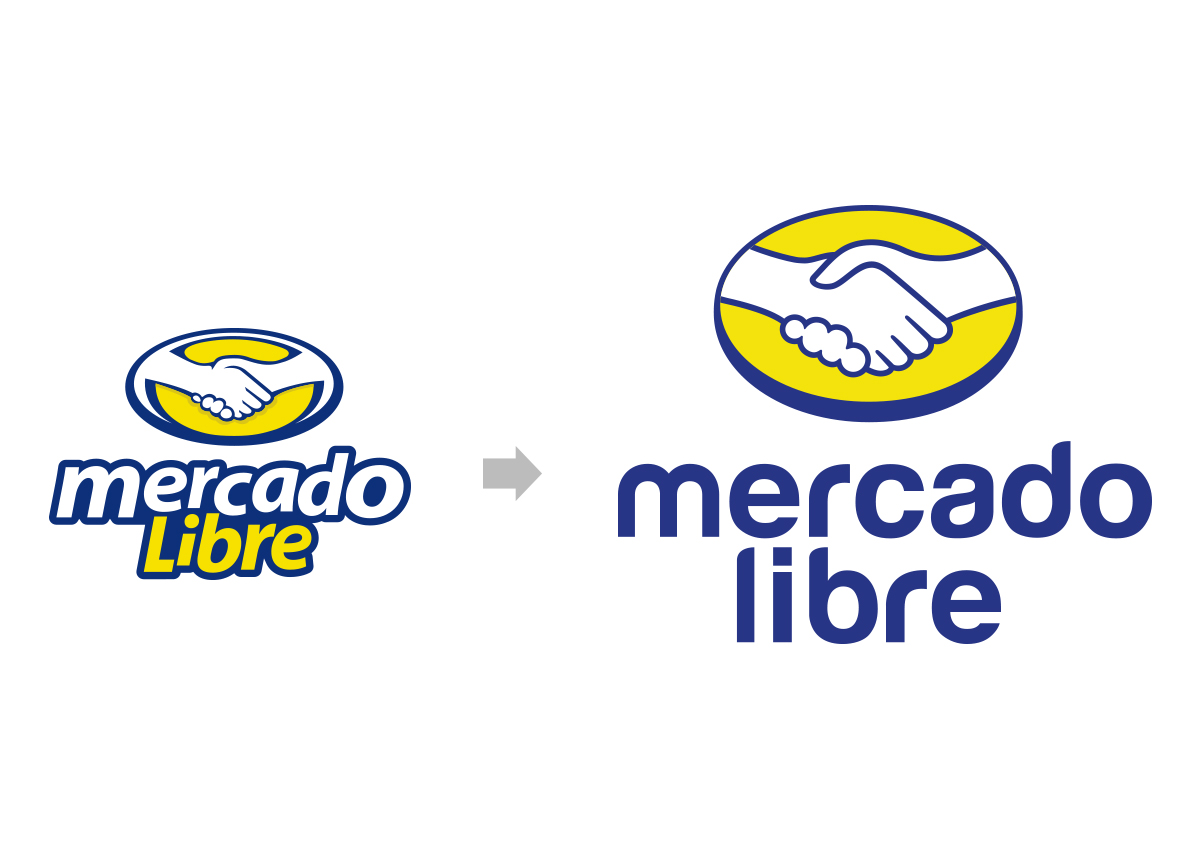
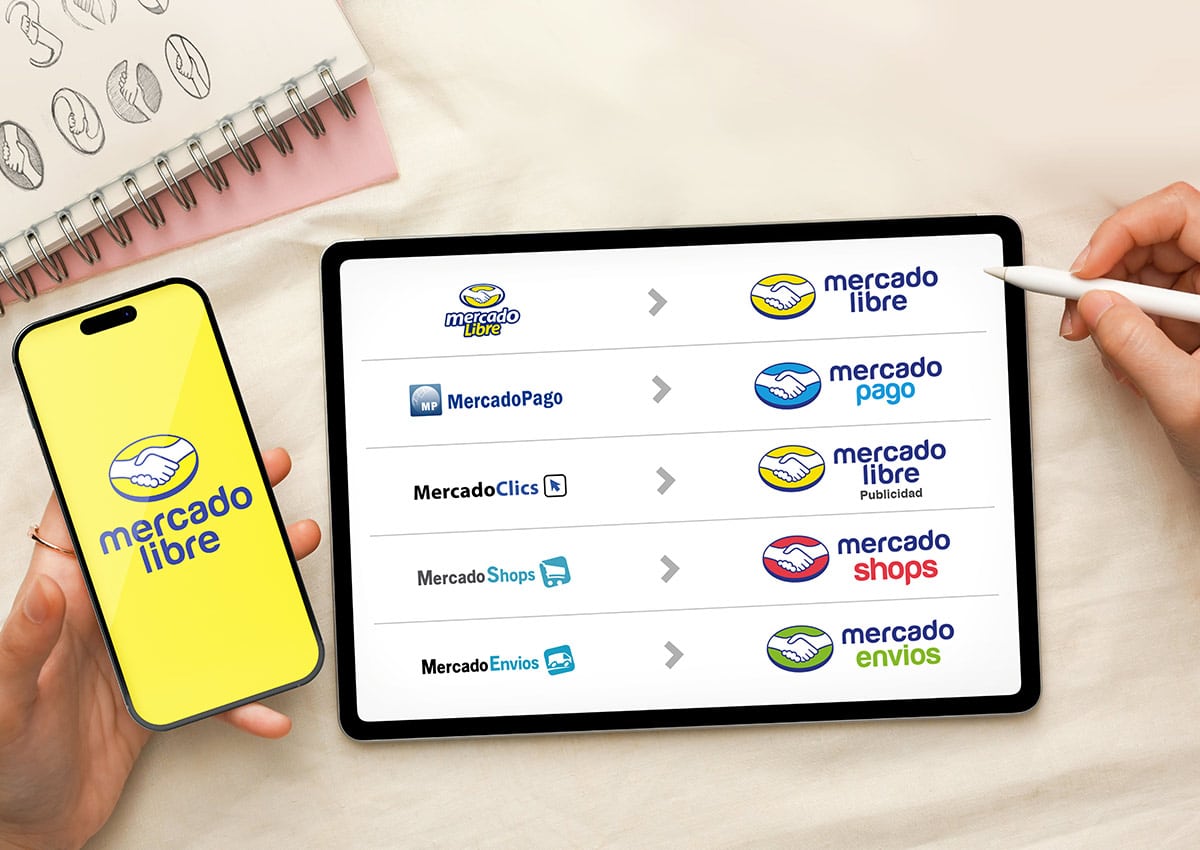
Mercado Libre needed to modernize its image while preserving the efficiency and trust associated with the brand. Imaginity refined the handshake symbol, typography and color expression, then structured a coherent visual architecture for Mercado Libre, Mercado Pago and the wider ecosystem. The project included identity variations, construction rules and a brand manual designed for consistent use across applications.
Bimbo: Evolving a Familiar Icon
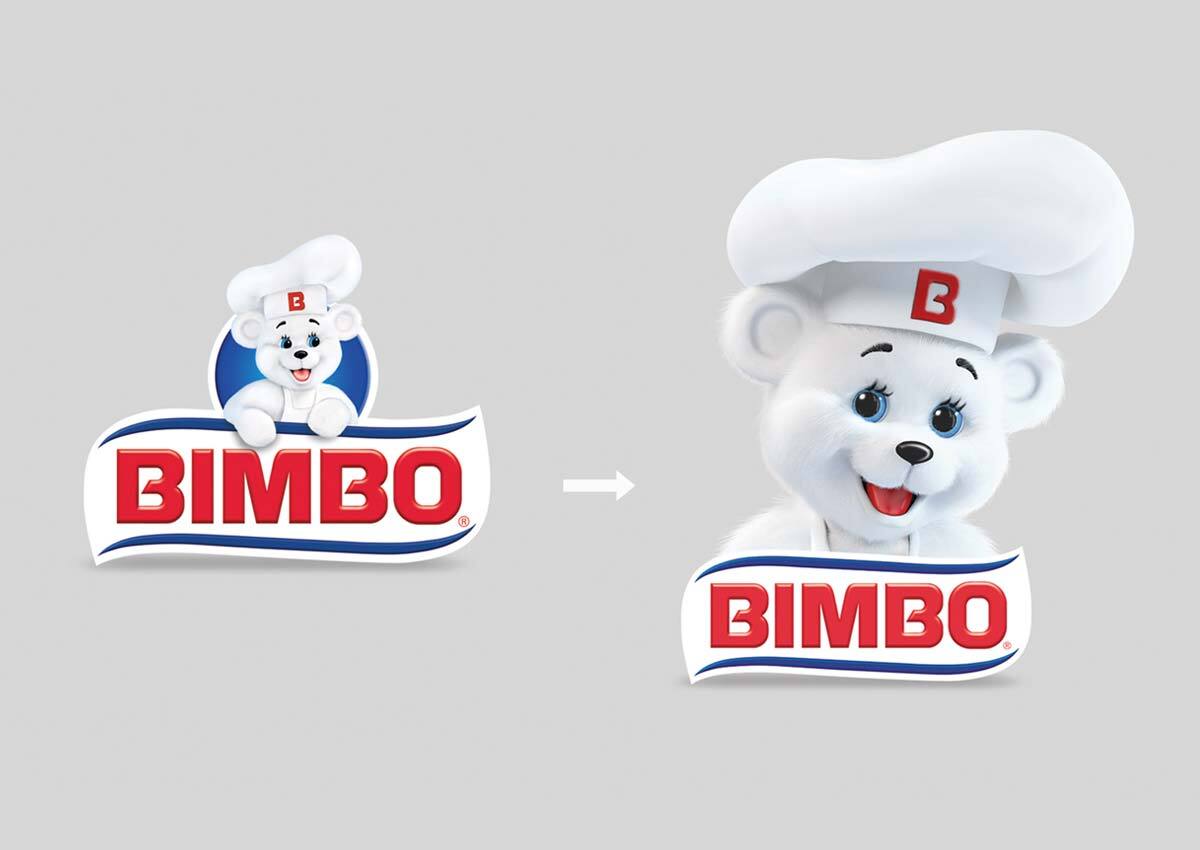
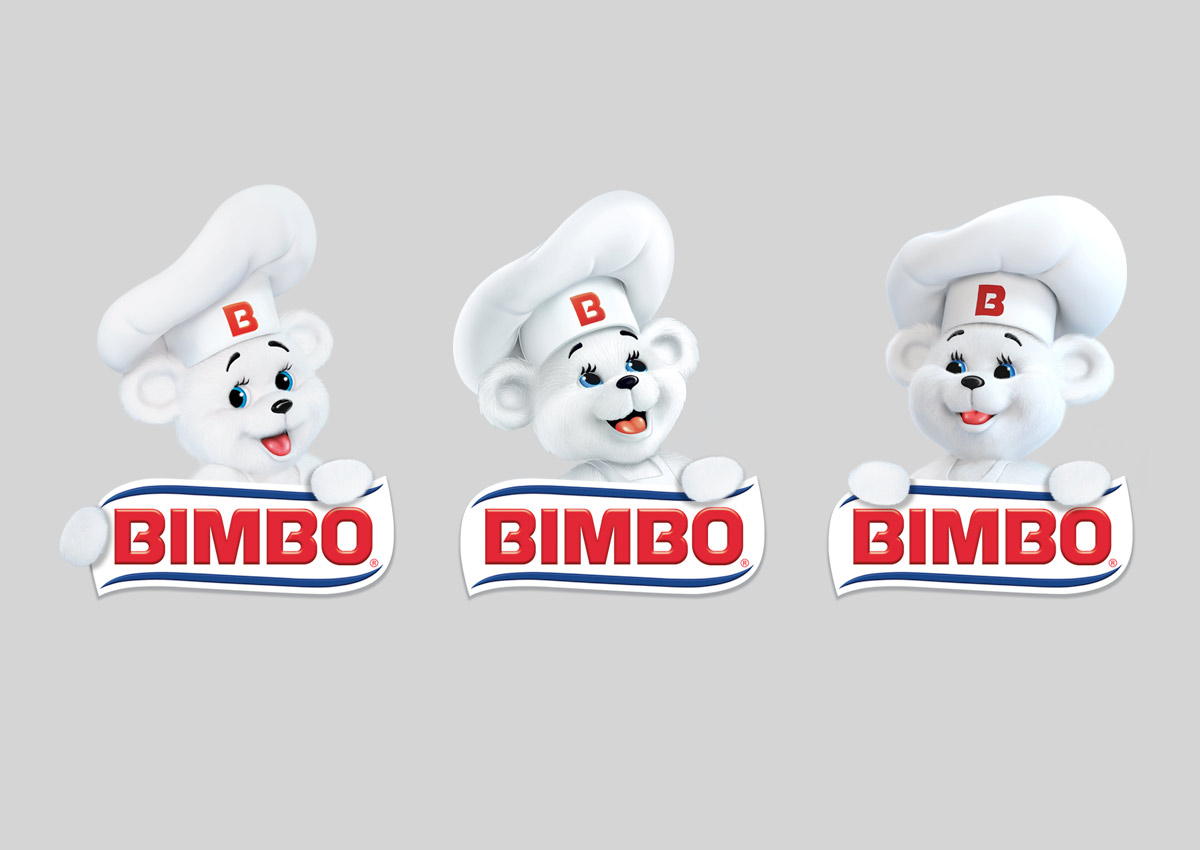
Bimbo’s identity had to become more contemporary without distancing a loyal, multigenerational audience. The design direction made the Bimbo bear the protagonist, refined the character’s expression and line work, and clarified its relationship with the wordmark. The result preserved a familiar asset while giving it a stronger role across packaging and digital applications.
artefacta: Consistency Across a Retail Brand
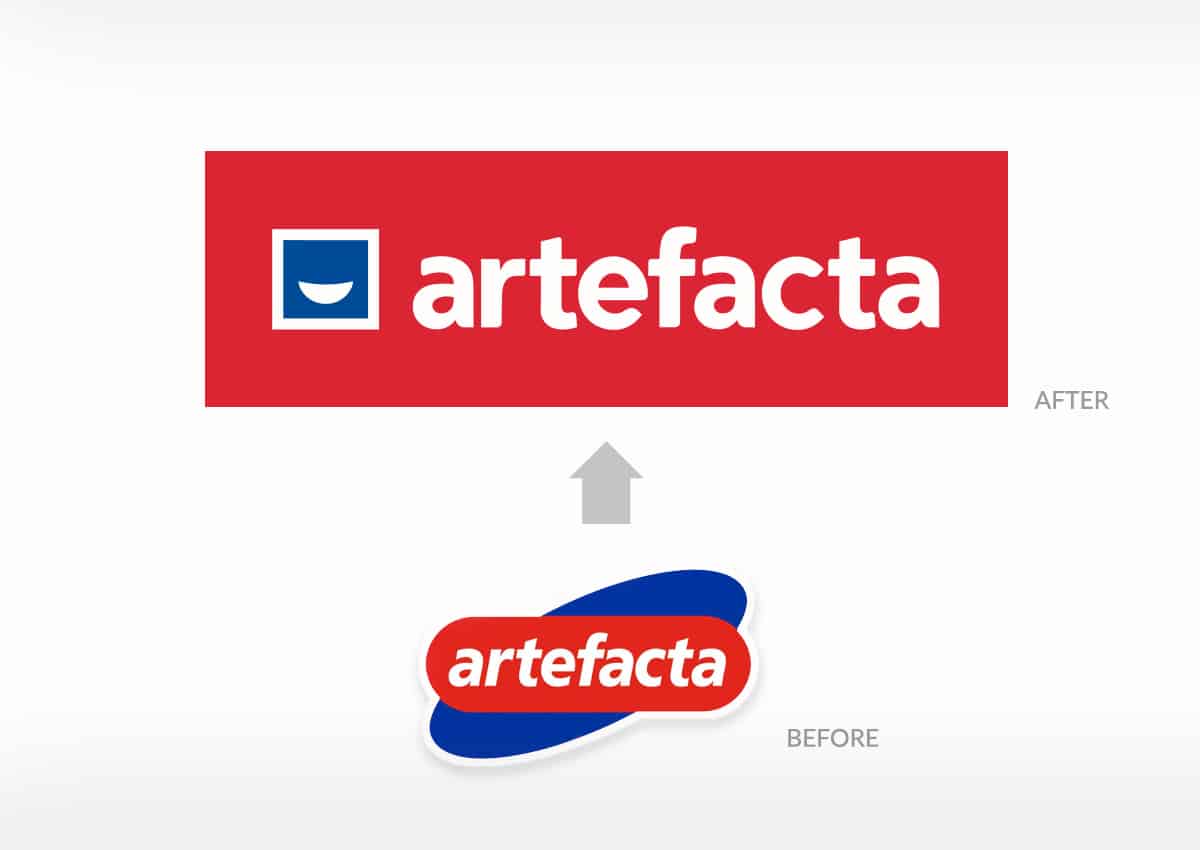
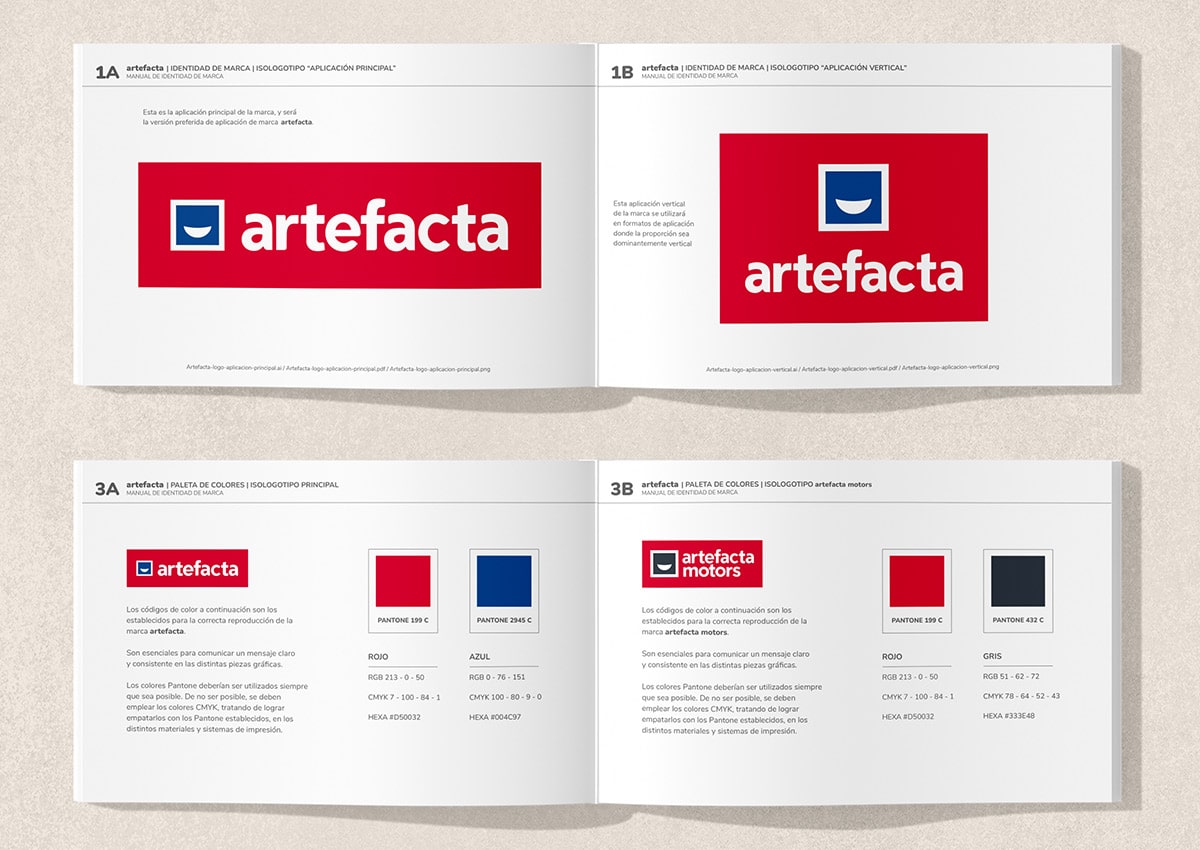
artefacta needed one recognizable identity across stores, communications, sub-brands and customer touchpoints in Ecuador. Imaginity incorporated a smile into the wordmark to express the idea behind “artefacta improves your world,” retained the familiar red, blue and white palette, and organized the system in a brandbook for use across signage, catalogs, uniforms, digital assets and future extensions.
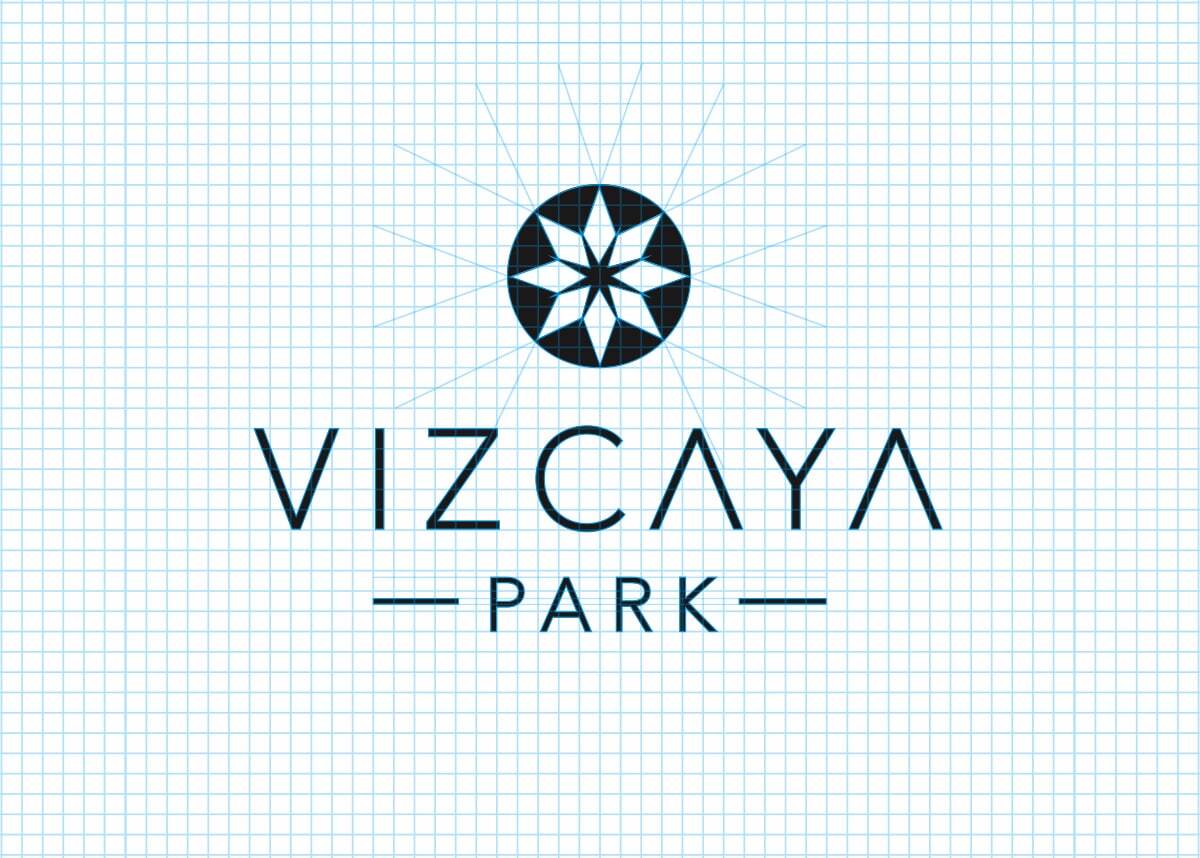
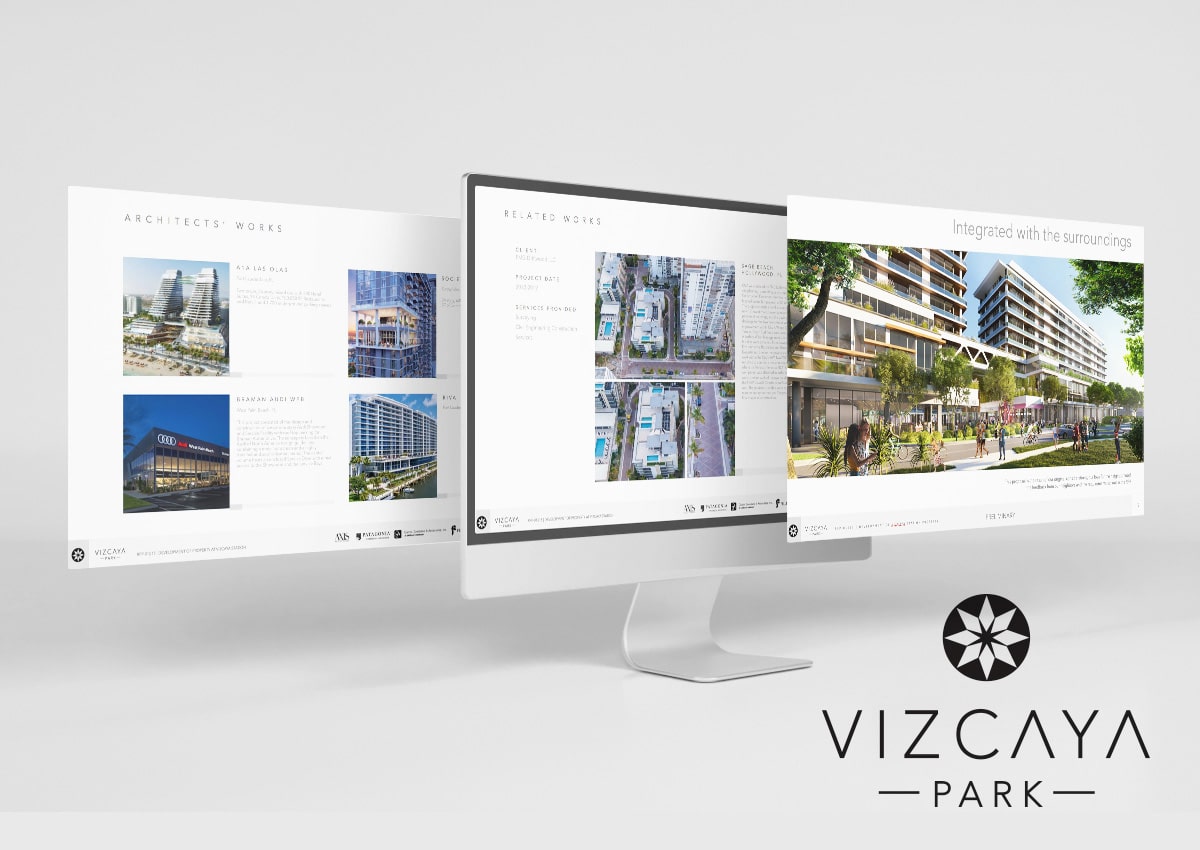
Vizcaya Park: Real Estate Branding for a Miami Mixed-Use Development
Vizcaya Park needed a distinctive name and real estate brand identity for a mixed-use development in a historically significant area of Miami. Working with F3 Architecture, Imaginity developed the naming and visual identity to connect the project’s contemporary character with the architectural heritage of its surroundings, including the nearby Vizcaya station and Vizcaya Museum and Gardens. The resulting real estate branding system gave the development a recognizable presence while grounding it in its cultural and urban context.
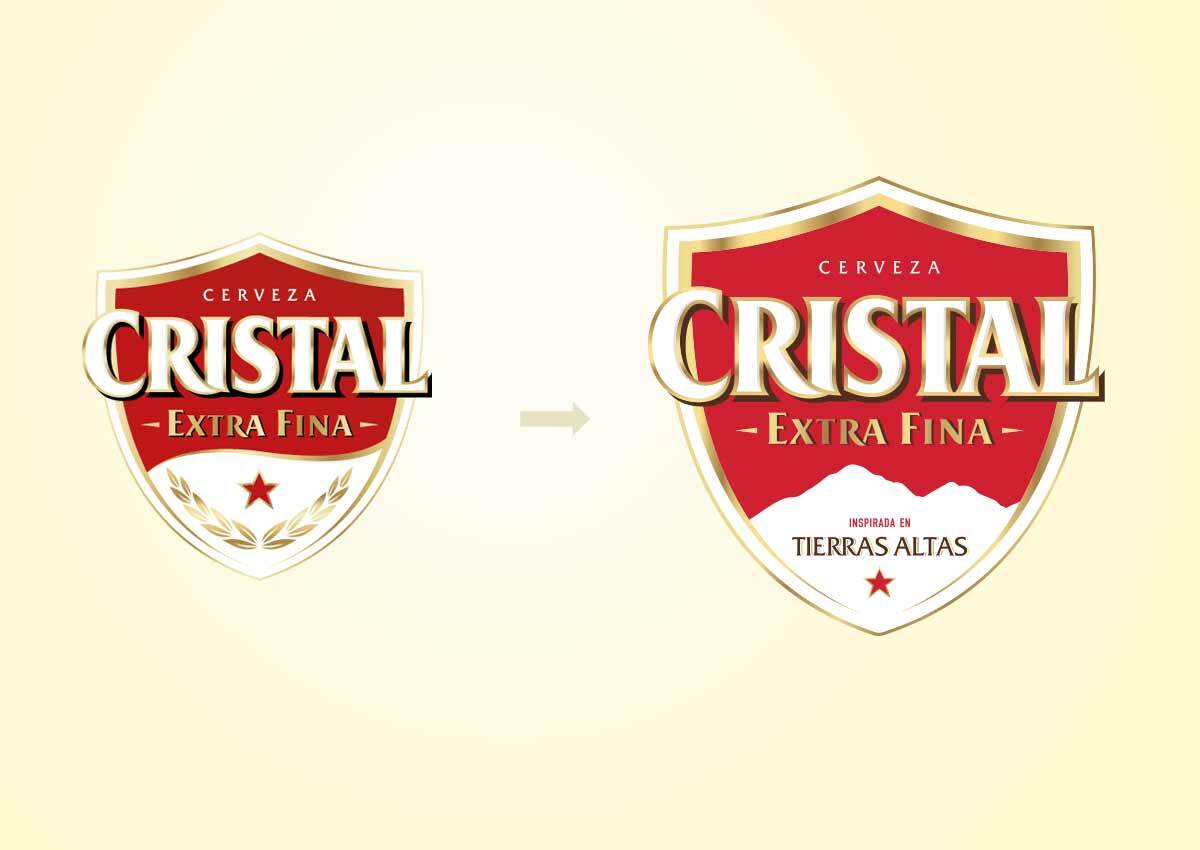
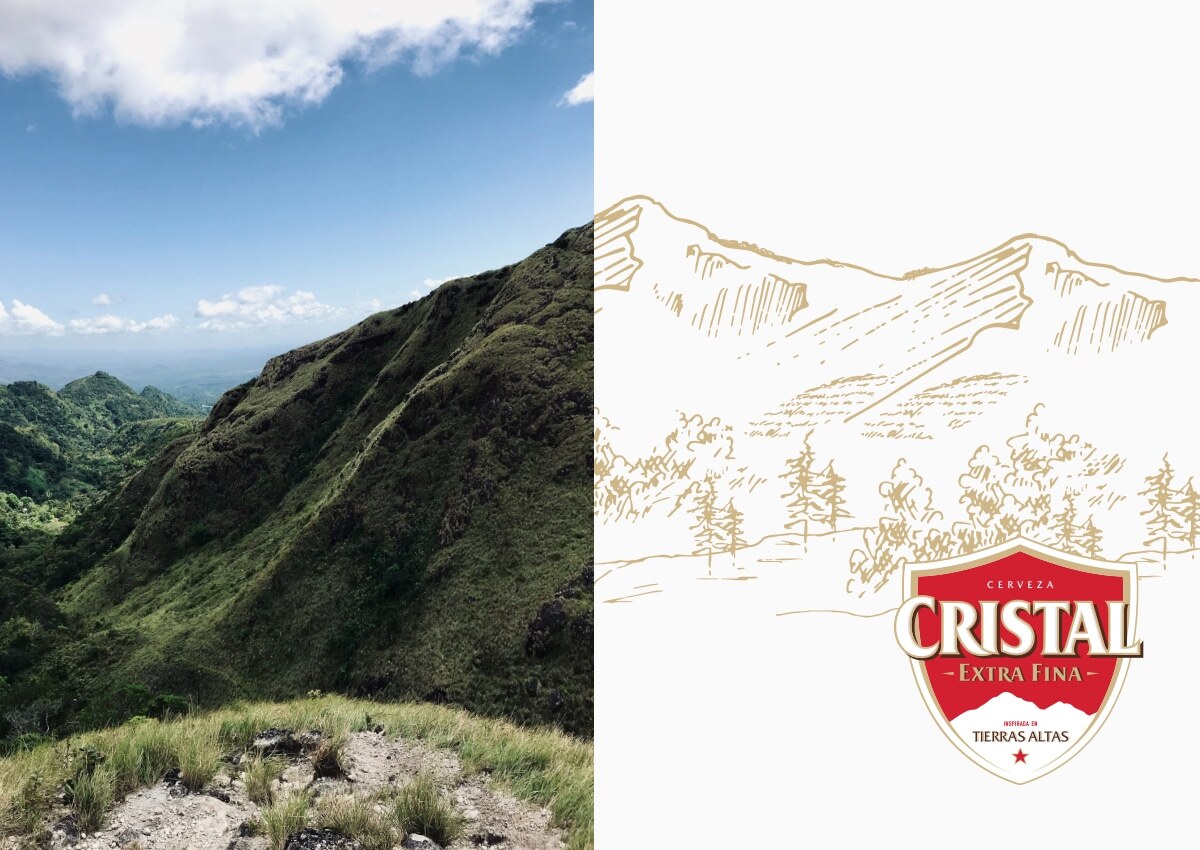
Cristal: Bringing its Tierras Altas Origin into the Brand Identity
We identified an opportunity to celebrate Cristal’s origins in Tierras Altas—the Panamanian highlands—and make that provenance a defining part of the brand’s visual identity. For Heineken Panamá, Imaginity evolved the characteristic shield logo by integrating the Tierras Altas mountains into its design. The refreshed identity brought the brand’s origin story to the forefront while preserving Cristal’s recognition, heritage and distinctive character.
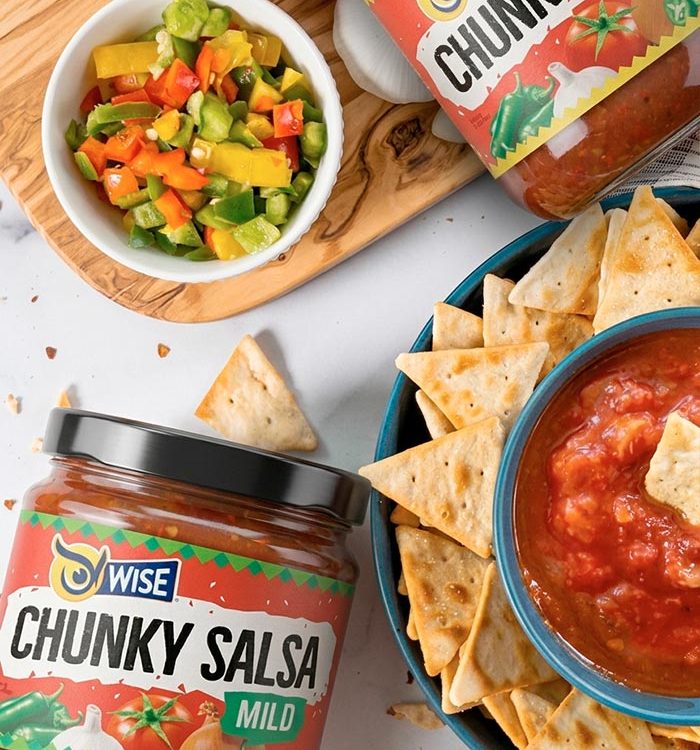
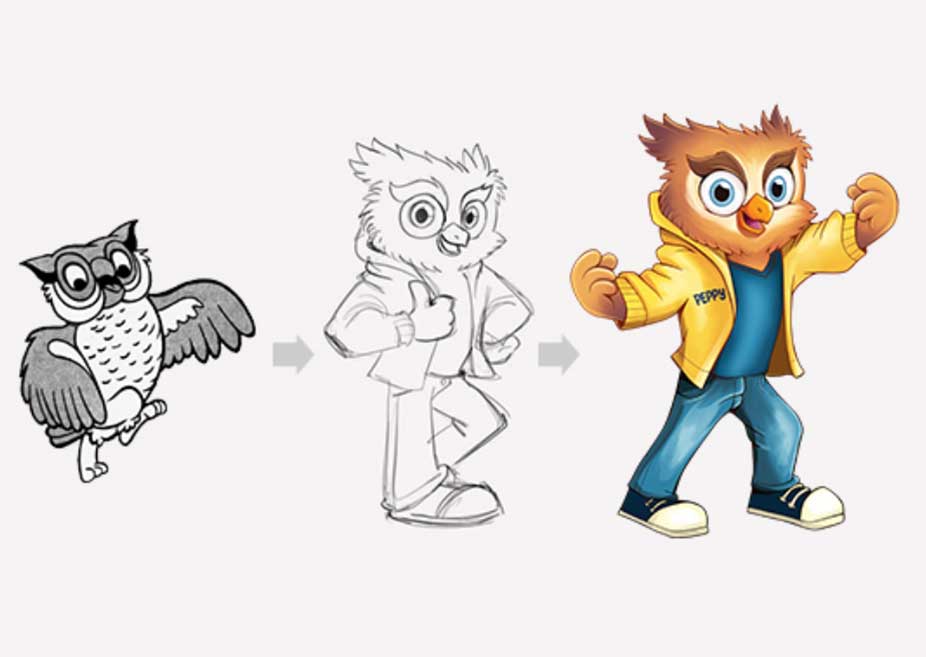
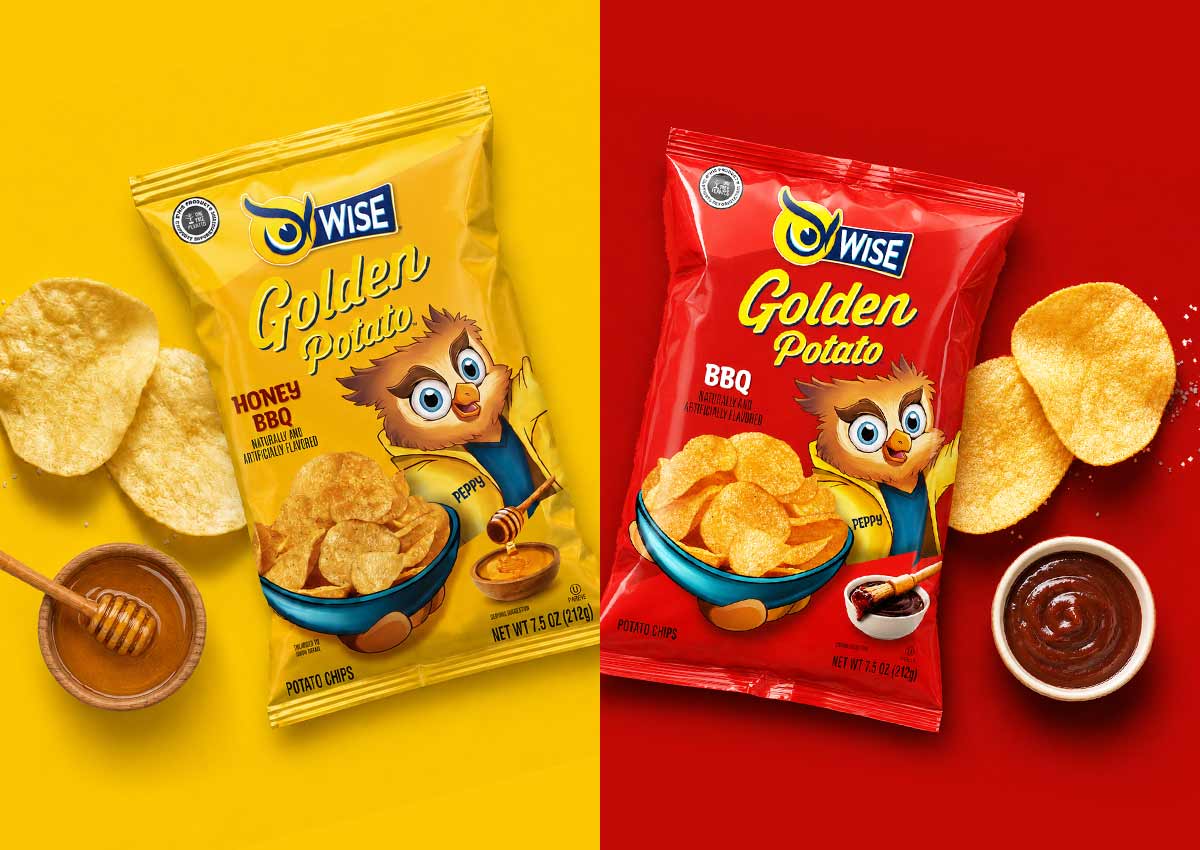
Wise Snacks: Bringing Peppy Back into the Spotlight
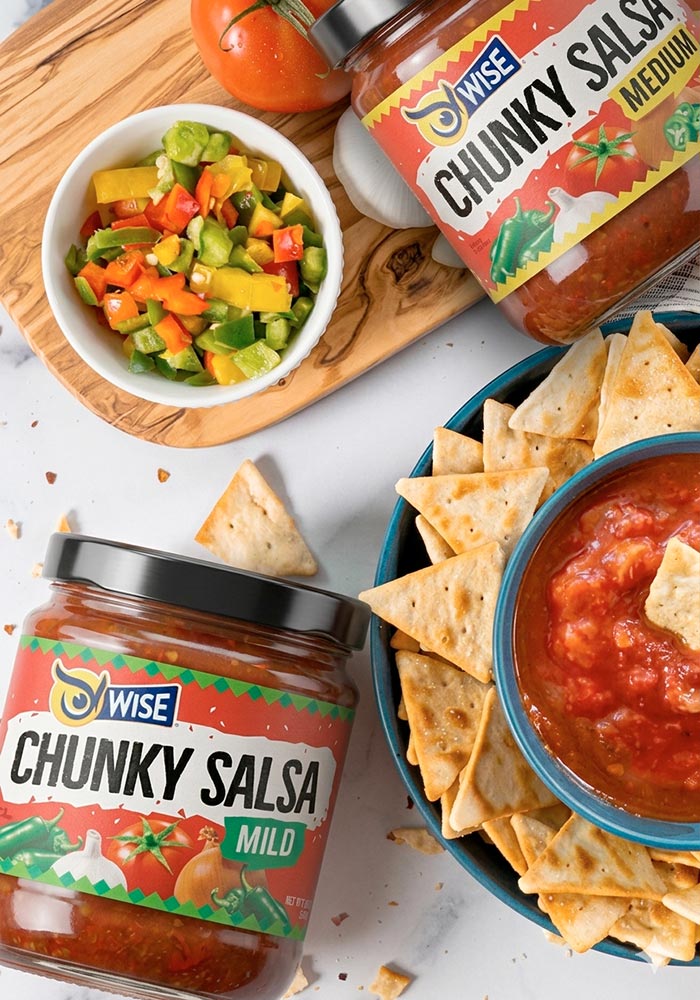
Wise Snacks saw an opportunity to bring Peppy, its iconic owl mascot, back into the spotlight and restore the character’s role at the heart of the brand. Imaginity redesigned Peppy with a more distinctive appearance, expressive personality and flexible range of poses and gestures. Peppy returned to center stage as the defining character of Wise’s visual identity, creating a recognizable thread across packaging, product lines and brand communications.
View the complete Wise Snacks brand evolution →
Explore the related Wise Snacks case studies:
Branding deliverables
Depending on the agreed scope, deliverables may include:
- Identity design principles and creative direction
- Logo, wordmark, symbol and lockup system
- Color and typography system
- Imagery, iconography, pattern or graphic-language principles
- Visual relationships for masterbrands, sub-brands and product families
- Brand story, value expression and core messaging principles when included in scope
- Representative application designs
- Final identity assets and brand guidelines
Use Cases
When branding is the right engagement
- A new brand needs an identity system for launch.
- An established identity looks dated or no longer matches the business.
- Valuable brand equity must be retained through a redesign.
- A portfolio of sub-brands or product families lacks visual coherence.
- A merger, expansion or new market creates a need for clearer identity rules.
- Packaging, retail and digital applications no longer feel like the same brand.
- A mascot, symbol or other distinctive asset needs a clearer role in the system.
Once the identity is approved, packaging design can translate it into pack architecture and SKU navigation, while print and web design can extend it into websites and brand collateral.
What should you include in a branding brief?
Start with the business change behind the project. Is this a launch, an evolution, a portfolio reorganization, a merger or preparation for a new market? Then share:
- The current identity and any previous guidelines
- The audience, category, markets and languages involved
- The brand or portfolio structure
- Existing research or approved positioning
- The assets customers already recognize
- What must stay, what can change and what is not working
- The priority touchpoints the identity must support
- Required deliverables, decision makers and intended timing
The most useful brief includes your team’s point of view. Explain what the brand should become clearer about and which parts of its history or recognition cannot be lost.
Related services for the next decision
- Brand Consulting for diagnosis, positioning and portfolio decisions before design begins
- Naming for brand, product, sub-brand and range names
- Mascot Creation & Evolution when a character needs a defined strategic and visual role
- Packaging Design for packaging systems, range navigation and pack execution
- Print & Web for identity implementation in websites and printed collateral
Planning a new identity or brand evolution?
Share the current brand, the business situation and the change your team is considering. Existing guidelines, a portfolio map or a few examples of what should stay and change are enough to begin the conversation.
Discuss your branding project