Brand Naming Agency for Consumer Brands
Imaginity creates strategic names for new brands, products, sub-brands and growing portfolios. We connect positioning, competitive context, language and brand personality so every naming direction has a clear role in the market.
- Brand and company naming
- Product, service and sub-brand naming
- Product-range and portfolio naming systems
- Conceptual territories, shortlists and name rationales


Strategic naming begins with positioning
Before a name can be memorable, it must be meaningful in the right way. We begin by defining the role the brand needs to play in the market, the audience it needs to reach, the promise it can credibly make and the space it can own among competitors. These decisions create the criteria used to evaluate every naming direction.
Naming can be a focused assignment or part of a broader brand strategy and consulting process. For a new brand, product, service or sub-brand, we connect positioning, competitive context and portfolio needs before generating names. This gives the creative work a clear strategic foundation.
From positioning to conceptual territories
Rather than producing a disconnected list of words, we organize the creative process around distinct conceptual territories. Each territory interprets the strategy through a different idea or point of view: origin, performance, simplicity, expertise, pleasure, progress or another theme that is specific to the brand.
Within each territory, we explore vocabulary, metaphor, language, invented words, compound forms, sound patterns and associations. This structured brainstorming process creates genuinely different naming paths, allowing the team to compare ideas according to meaning, personality and long-term potential.


What makes a brand name work?
Storytelling and personality
A name sets expectations before the audience encounters the logo, packaging or campaign. It can make a brand feel energetic, precise, natural, warm, technical, playful or premium. We define this verbal personality early and consider how the chosen name can extend into brand storytelling, messaging and a coherent visual identity.
Memorability
Memorability comes from distinctiveness, clarity and a strong association with the brand idea. A successful name gives people something recognizable to retain without relying on complexity or novelty alone. We assess whether each candidate can be recalled, repeated and distinguished from competitors after a brief encounter.
Sound and verbal rhythm
Names live in conversation as much as they do on a screen or package. We consider pronunciation, cadence, syllable structure and the emotional qualities created by sound. The strongest candidates are comfortable to say, easy to understand and appropriate for the brand’s desired personality.
Relevance and room to grow
A name needs to make sense for the current offer without restricting future growth. We examine whether it can support new products, variants, formats or markets and how it will function within the wider brand portfolio. When several products must work together, the naming system can also become part of a clear product-line architecture.


The Imaginity naming process
1. Brief and immersion
We review the business objective, offer, audience, markets, brand context and intended relationship with existing products or brands. This establishes the decision the new name needs to support.
2. Category and language mapping
We examine competitor names, category conventions, recurring language and crowded naming patterns. When a project spans markets or languages, the review also identifies pronunciation and cultural considerations that should guide creation.
3. Naming strategy and criteria
We define the qualities the name should express, the territory it should occupy and the practical requirements it must meet. These criteria provide a consistent basis for comparing options.
4. Conceptual territories and name creation
We develop strategically distinct creative paths and generate names within each one. Exploration may include descriptive, evocative, compound, metaphorical or invented constructions according to the brief.
5. Evaluation and shortlist
Candidates are reviewed for strategic fit, distinctiveness, memorability, sound, pronunciation, personality, cultural relevance and capacity to grow. The strongest options become a focused shortlist rather than a catalogue of disconnected possibilities.
6. Rationale, refinement and handoff
Each shortlisted direction is presented with a rationale explaining its meaning, strategic role and brand potential. Client discussion and refinement lead to a recommended direction that can move into identity, packaging and communication. Formal trademark clearance should be completed by qualified legal counsel in the relevant markets.
How we evaluate naming candidates
Every shortlisted name is reviewed against a consistent set of strategic and practical criteria:
- Distinctiveness within the competitive category
- Memorability and ease of recall
- Sound, pronunciation and verbal rhythm
- Personality and storytelling potential
- Cultural and linguistic relevance in priority markets
- Capacity to support future products, sub-brands or extensions
- Preliminary competitive and digital screening
The final shortlist includes a strategic rationale for each direction, explaining what the name communicates, the brand territory it expresses and how it could develop across identity and communication. Formal trademark clearance should then be completed by qualified legal counsel in the relevant markets.
Naming deliverables
The scope is defined for each assignment and may include:
- Naming brief and decision criteria
- Competitive and category naming review
- Conceptual territories
- Brand, product, service or sub-brand name creation
- Product-range and portfolio naming systems
- Candidate evaluation and shortlist
- Name rationales and final recommendation
- Verbal personality and initial storytelling direction
- Coordination points for branding and packaging design
Selected naming case studies
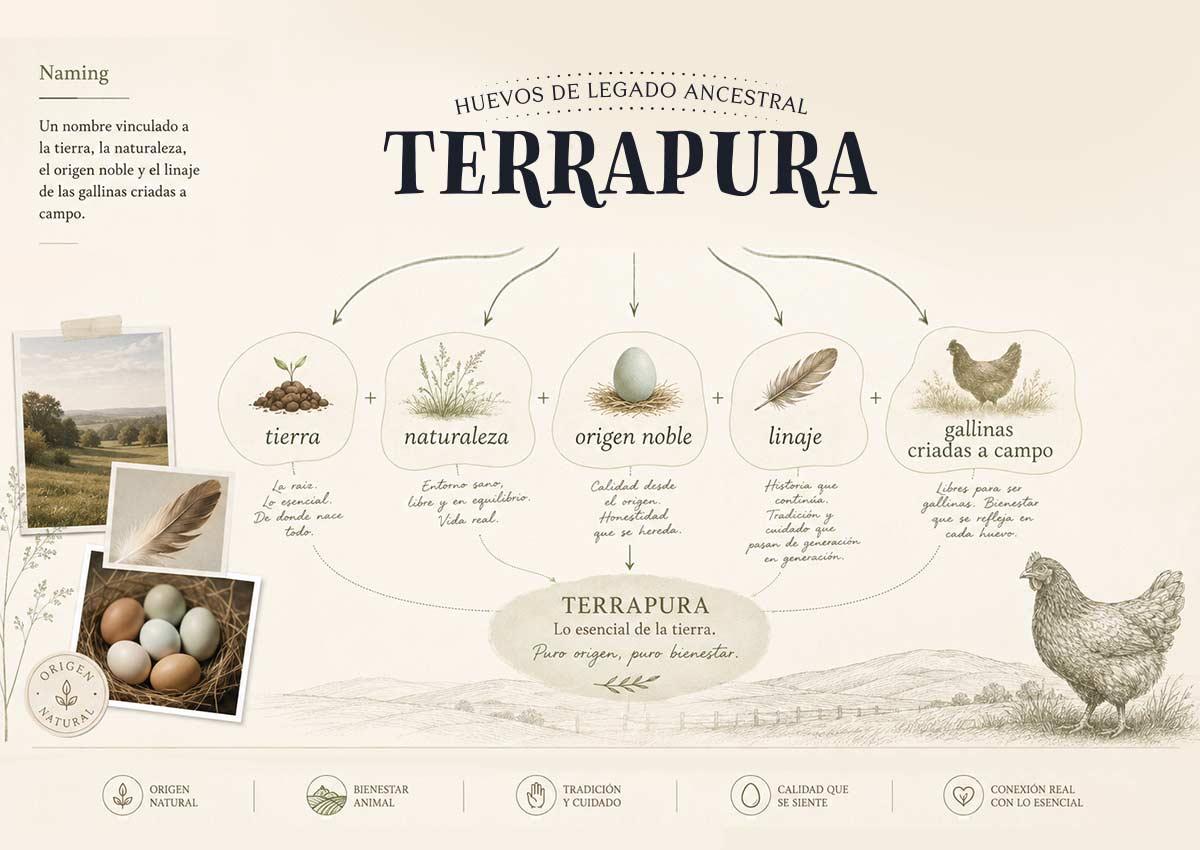
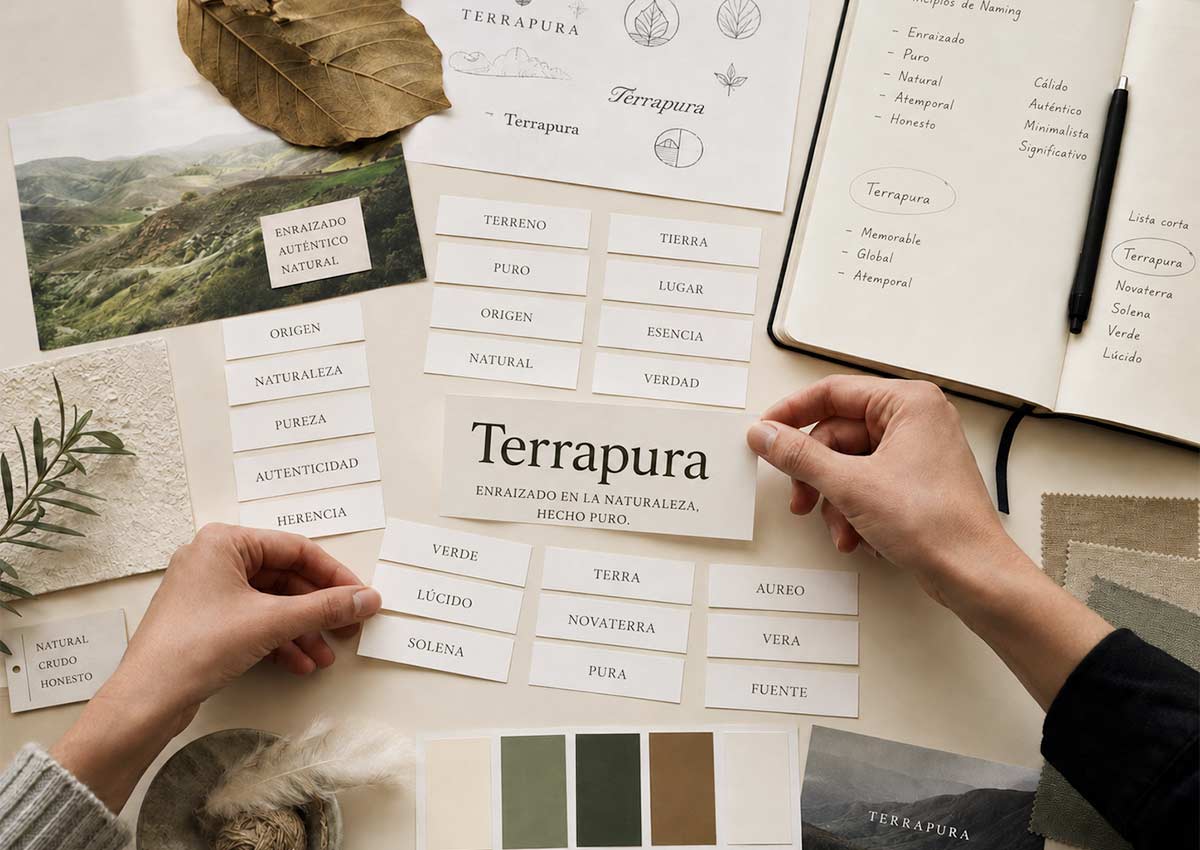
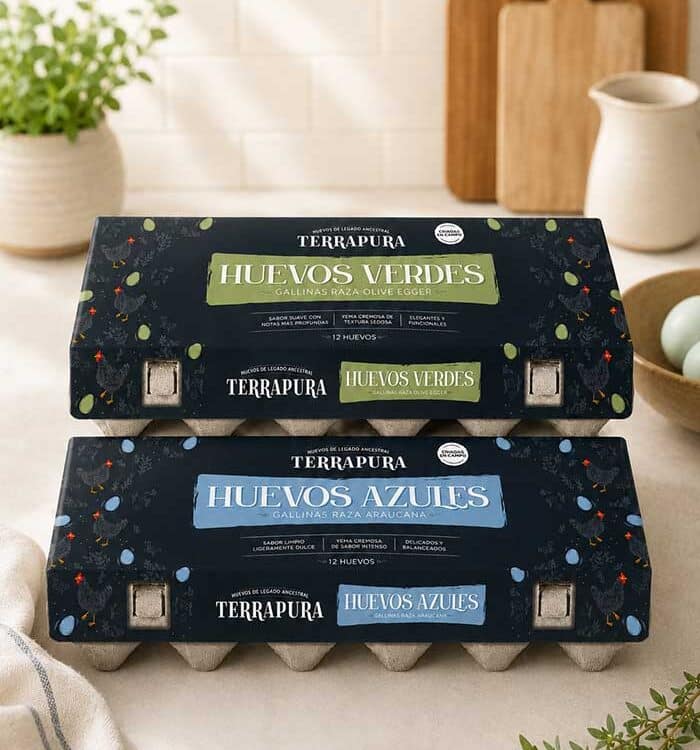
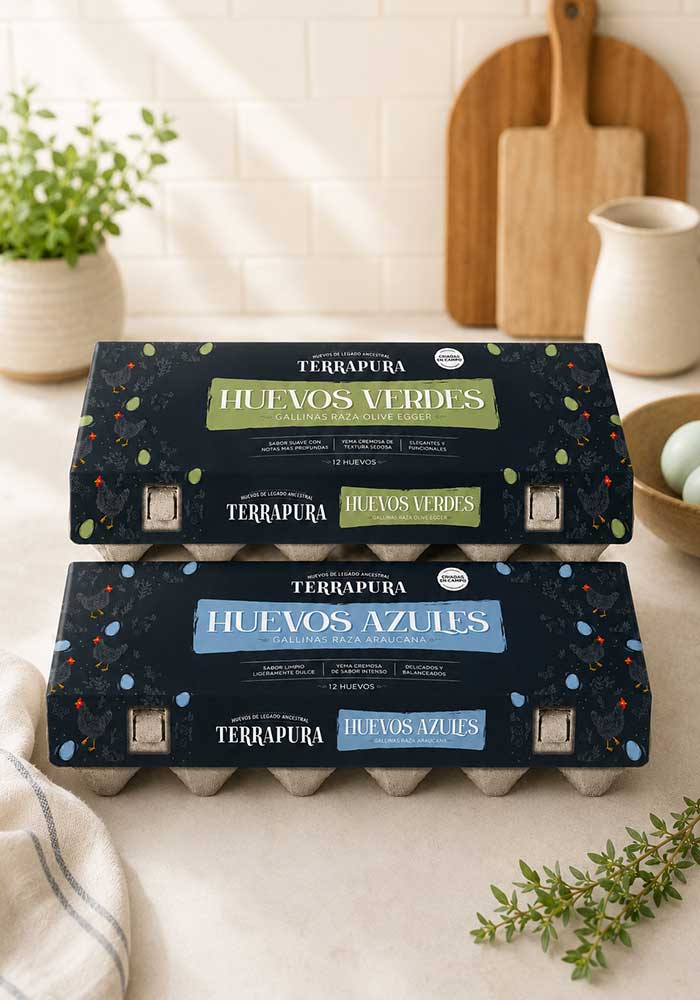
Terrapura: naming rooted in origin and natural difference
For Terrapura, the naming process explored nature, origin, heritage, lineage, color, care and everyday nourishment. The selected name established a simple, warm foundation connected to the product’s natural difference: pasture-raised eggs from ancestral hen lineages that produce naturally blue and green shells.
The name positioned the eggs as more than an everyday food product. It introduced a story of character, origin and care while creating a structure in which each egg lineage could have its own identity. This kept the range unified under one recognizable brand while leaving room for future extensions.
View the Terrapura naming, branding and packaging case study →

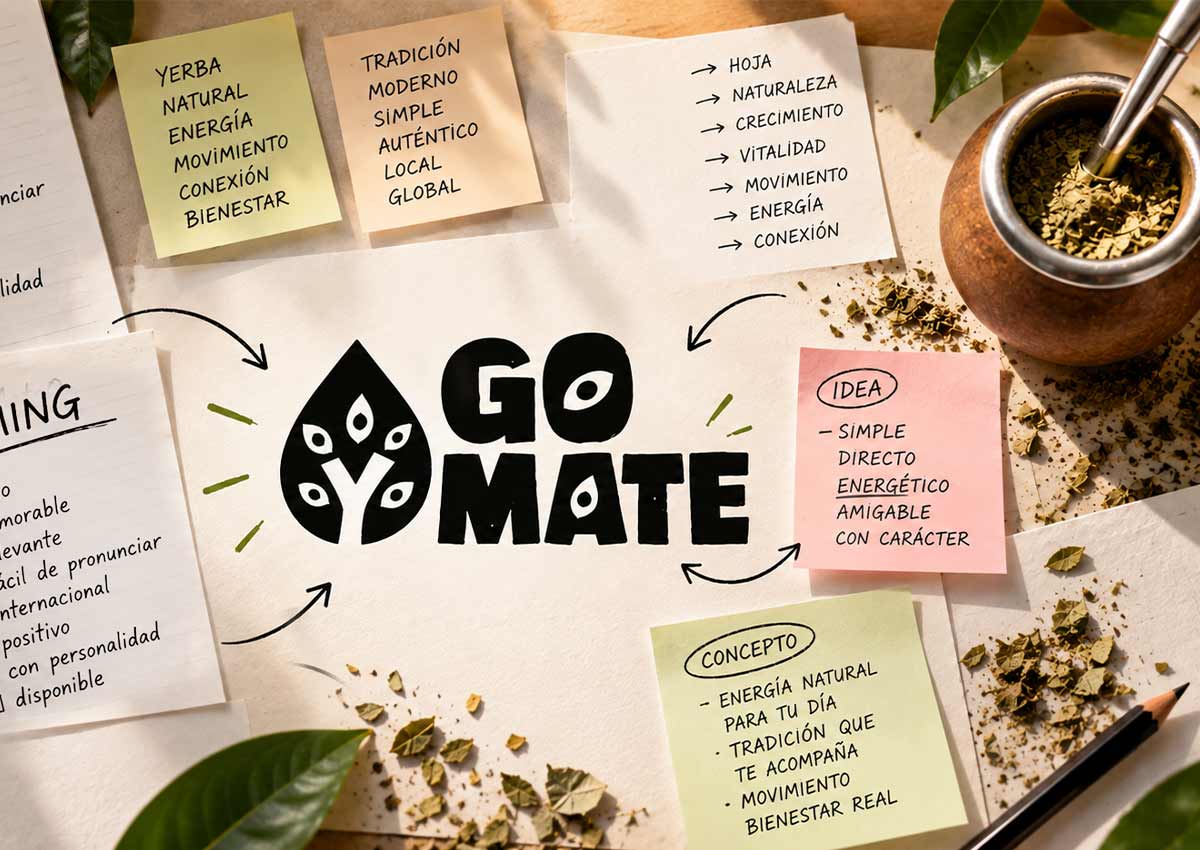
Go Mate: natural energy with an active personality
Imaginity created the name for a new natural energy drink based on yerba mate. The naming direction needed to bring together the natural origin of the ingredient, energy, performance and mental sharpness in a short and immediate expression.
Go Mate combines the product’s defining ingredient with an active, forward-moving verbal cue. The name provided a flexible platform for a brand built around natural performance and supported the Awake and Relax varieties within one coherent system.
View the Go Mate naming, branding and packaging case study →


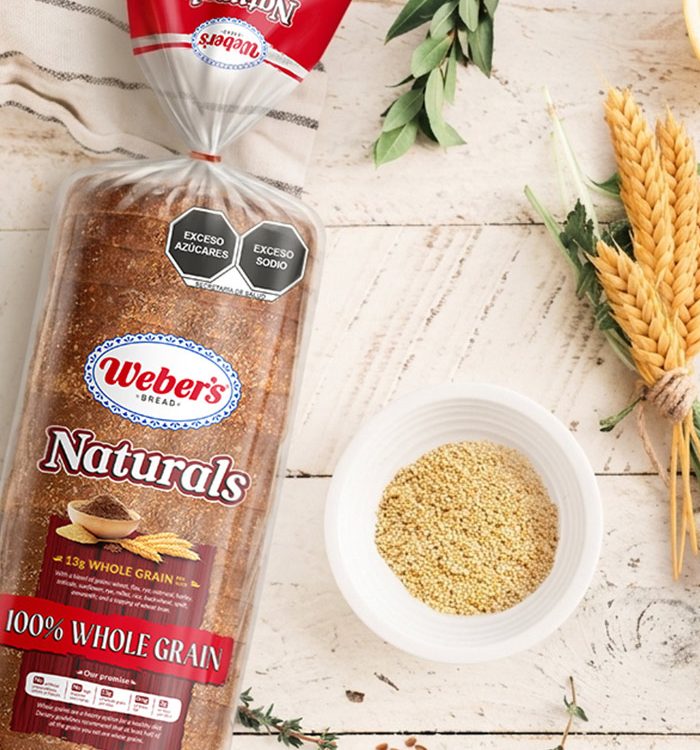
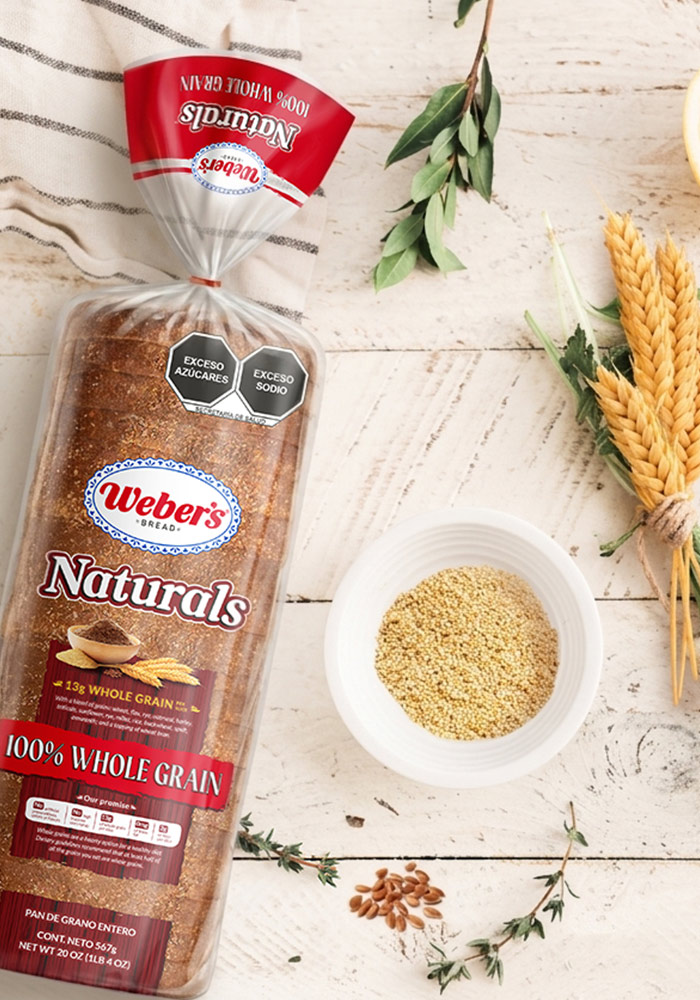
Weber’s Naturals: clarity for a health-conscious sub-brand
Naturals was developed as the name for a specialty Weber’s bread range. The objective was to communicate ingredient transparency, simplicity and health-conscious value while creating a sub-brand that remained connected to the trust of the Weber’s master brand.
The clean, evocative name gave the range a clear place within the portfolio and created a strong starting point for its artisanal visual identity. It also established a naming platform capable of extending across multiple bread varieties and packaging formats.
What should you include in a naming brief?
Begin with the business decision behind the project. Is the name for a new company, a product, a service, a sub-brand or an extension of an existing range? Share the offer, audience, competitive category, priority markets and languages, desired positioning and any relationship the new name must maintain with an existing brand.
It is also useful to identify the qualities the name should express, styles the team wants to avoid, future portfolio plans, trademark territories, digital requirements and the intended launch timing. A clear point of view gives the naming process direction while leaving enough space for creative exploration.
Planning a new brand, product line or sub-brand?
Bring us the strategic brief, the market opportunity or the idea behind the new offer. Imaginity can define conceptual territories, develop and evaluate naming candidates, recommend a shortlist and connect the selected name with its brand identity, portfolio structure and communication.
Discuss a naming project Explore branding and visual identity →