
Pet Food Branding & Packaging Design
Global Pet Food Expertise

At Imaginity, we develop pet food packaging systems that combine emotional storytelling, product clarity and strategic brand architecture. We understand that this category requires more than attractive graphics: it requires trust, navigation, differentiation and a deep understanding of how shoppers choose for their pets.

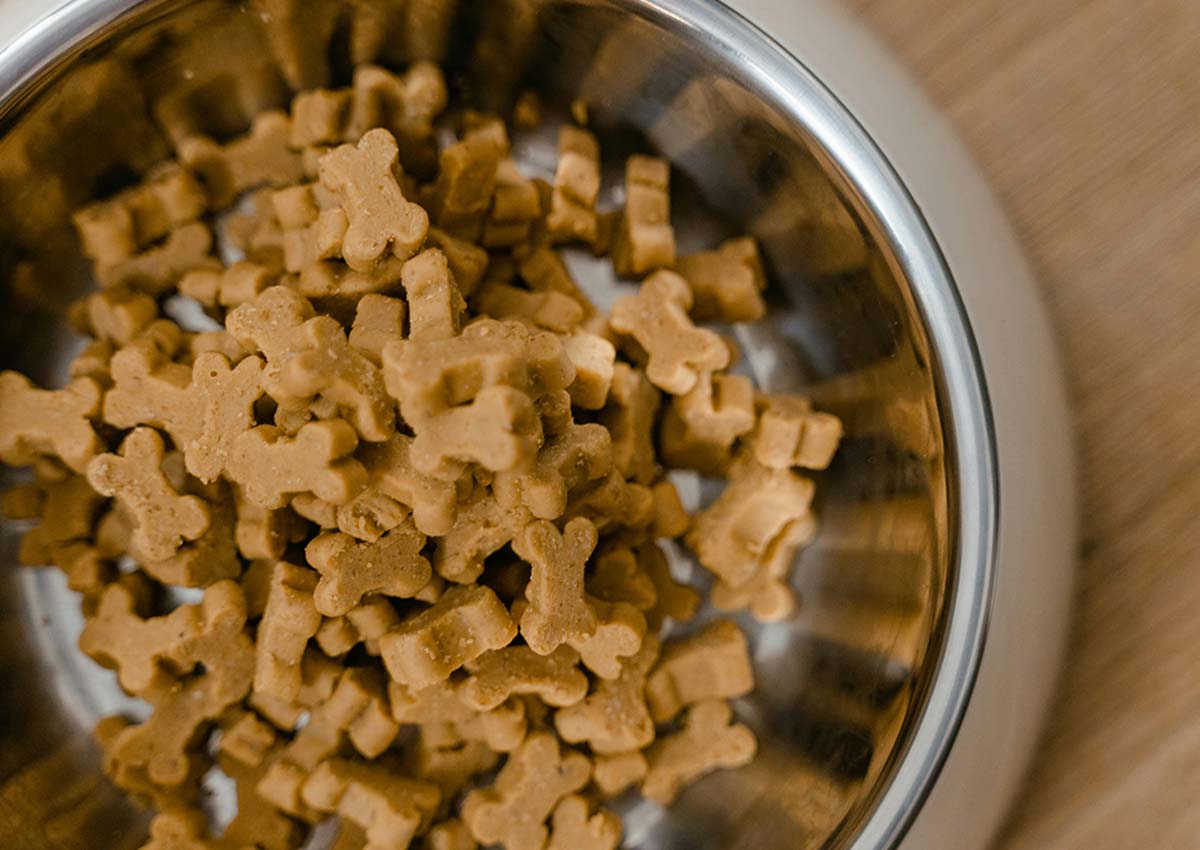
BUILDING EMOTIONAL, STRATEGIC AND SCALABLE PACKAGING SYSTEMS FOR MODERN PET FOOD BRANDS
Pet food has become one of the most emotionally charged packaging design categories in consumer goods. Today, packaging design does much more than identify a product on shelf. The power of packaging communicates care, trust, nutrition, love, responsibility and quality of life.
As pets become increasingly central to family life, pet food brands need packaging systems that connect with owners at both an emotional and rational level. The pack must reassure, inspire and differentiate, while also helping shoppers navigate a growing number of product formats, ingredients, life-stage benefits and price tiers.
At Imaginity, global packaging design agency, we approach pet food packaging design as a strategic brand-building tool. We combine category understanding, visual storytelling, brand architecture and in store impact to create packaging systems that are emotionally engaging, easy to shop and ready to scale across products, formats and markets.


RECOGNIZED PET FOOD PACKAGING EXPERTISE
Imaginity featured in PetPack Journal
In a recent interview with PetPack Journal, Imaginity discusses why pet food is one of the most strategically demanding packaging categories.
Successful pet food packaging must connect emotionally with owners while clearly communicating species, life stage, product benefits, ingredients, and nutritional credibility. It must also create strong visual blocking, simplify complex portfolios, and remain recognizable across large-format bags, pouches, retail shelves, and digital marketplaces.
These are the same principles Imaginity applies when creating scalable branding and packaging systems for modern pet food brands.
EMOTIONALITY: STORYTELLING THROUGH PET FOOD PACKAGING
Pet food is a category with a strong emotional dimension. Unlike many packaged goods, the product is not bought for the shopper directly, but for a loved companion. This creates a unique emotional triangle between the brand, the pet and the owner. Packaging design must capture this bond quickly and authentically.
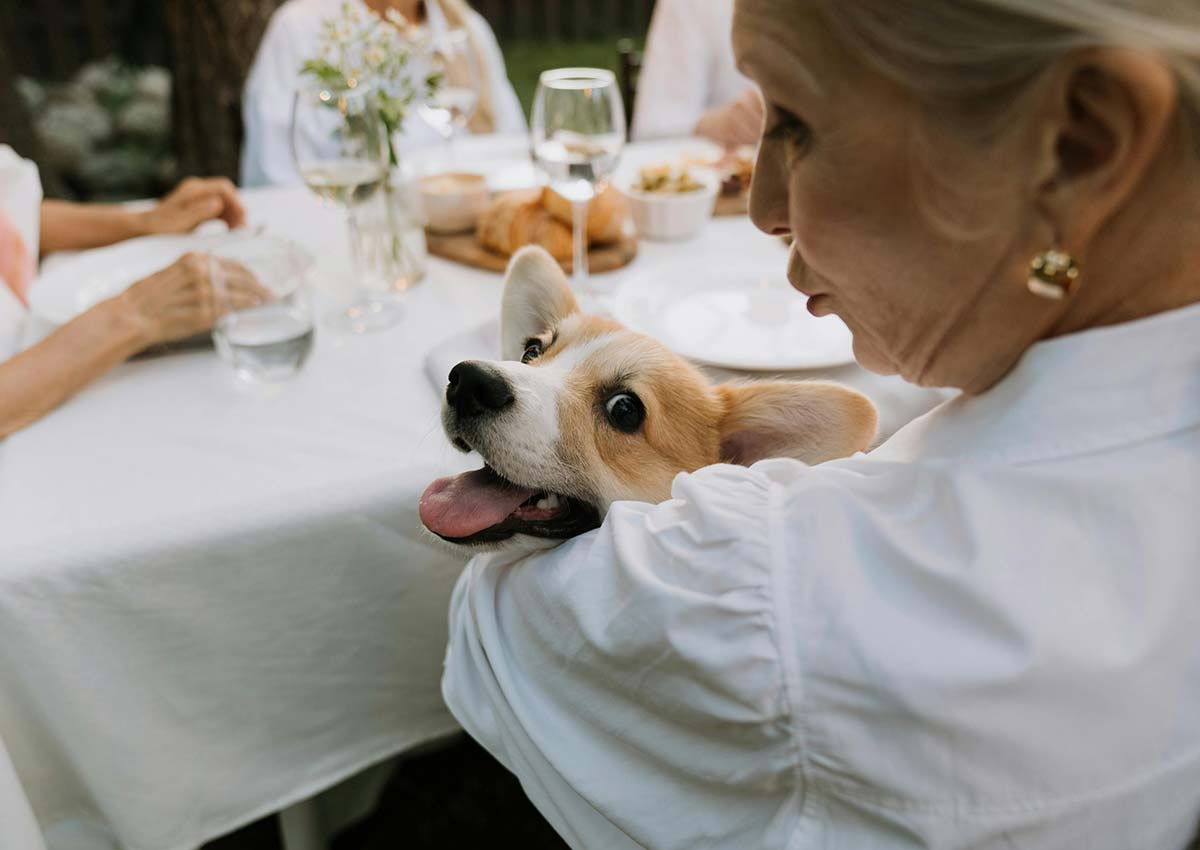
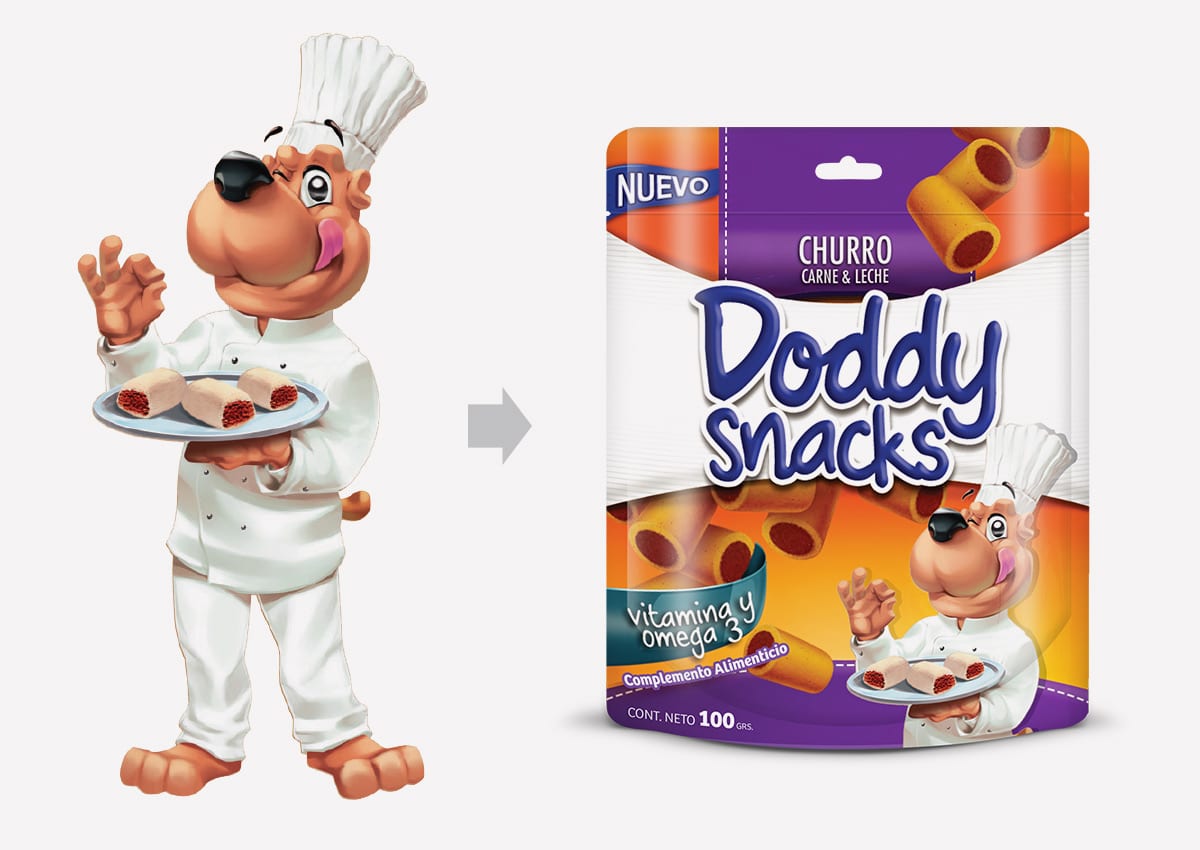
Images of pets play a central role in this emotional storytelling. Tender, happy, expressive and evocative pet photography can immediately communicate affection, wellbeing and trust. A dog looking energetic, a cat appearing calm and healthy, or a puppy shown in a warm home environment can say more than a long list of claims.
The challenge is to avoid generic emotional codes. Strong pet food packaging design should use imagery, tone of voice and visual identity to create a distinctive brand world. The pack should not simply show a pet; it should express the kind of relationship the brand wants to build with pet owners.
PET HUMANIZATION AND THE NEW ROLE OF PETS AT HOME
Pet humanization is one of the most important forces shaping the category. Pets are no longer seen only as animals living in the home. For many consumers, they are full members of the family, with emotional importance, daily routines and lifestyle needs that resemble those of humans.
This shift has changed the way people evaluate pet food. Owners increasingly look for products that feel closer to human food standards: better ingredients, clearer claims, specialized nutrition and more premium visual cues. The pack must signal that the product is not just “feed,” but a thoughtful choice for a loved family member.
In many households, pets are gaining a more prominent emotional role, sometimes even replacing or delaying the traditional place of children in family life. This makes the category deeply personal. Packaging must respect that emotional intensity while communicating professionalism, care and nutritional credibility.

FUNCTIONAL NUTRITION: FROM FOOD TO WELLBEING
Pet food brands are no longer selling only food. They are selling wellbeing, prevention, vitality and longevity. As owners become more informed, they look for products that support digestion, immunity, skin and coat health, joint mobility, weight control, dental care and age-specific needs.
This evolution creates new opportunities for packaging design. Functional benefits must be communicated clearly, but without overwhelming the shopper. The design system needs to organize claims, ingredients and benefits in a way that feels trustworthy, easy to understand and visually appealing.
The strongest pet food product line architecture balance emotion and science. They show care through warm branding and pet imagery, while also presenting nutrition through structured information, icons, benefit blocks, ingredient transparency and a clear hierarchy of messages.
A DOUBLE TARGET: PET AS CONSUMER, OWNER AS SHOPPER
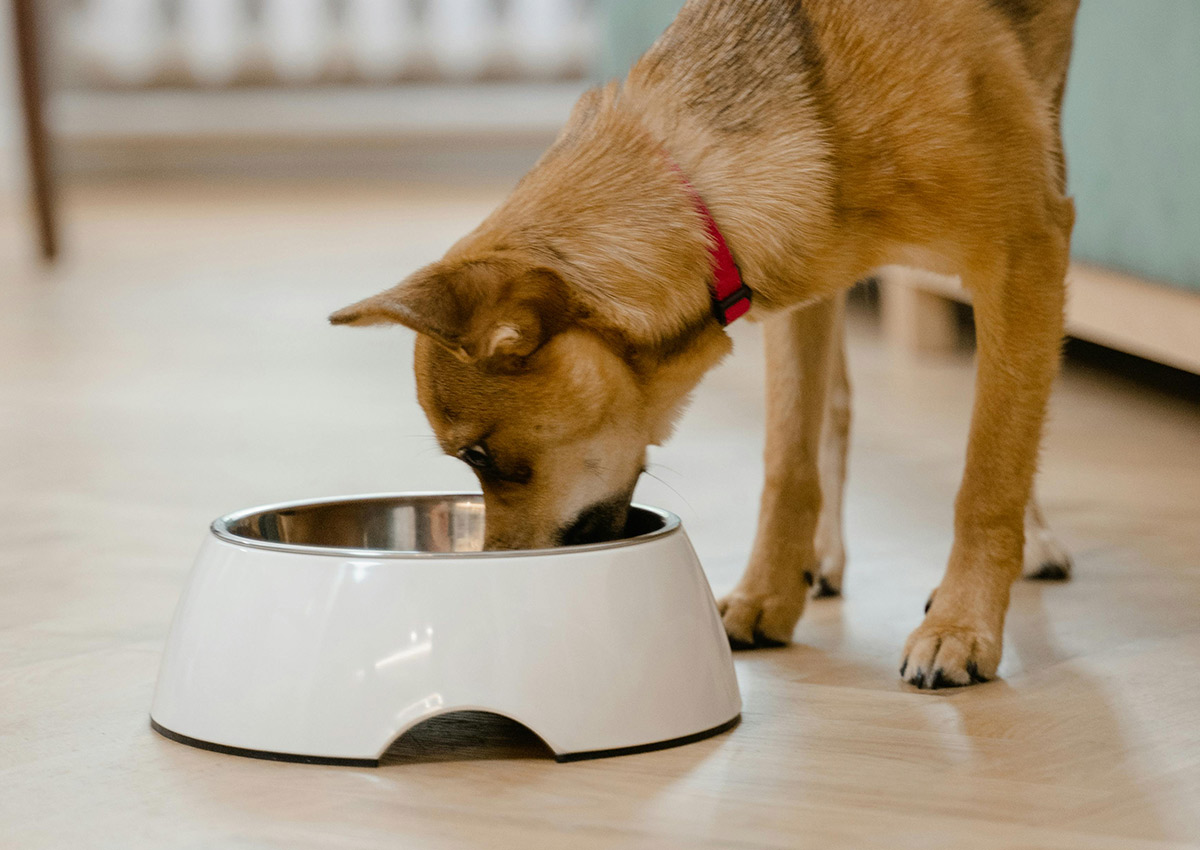
Pet food has a unique double target. The pet is the end consumer, but the owner is the shopper, decision-maker and payer. This means packaging design must speak to the human first, while always keeping the pet at the center of the promise.
The owner’s decision is both emotional and rational. Emotionally, they want to feel they are taking good care of their pet. Rationally, they compare ingredients, benefits, pack size, price, brand trust and perceived value. A successful pack must help them feel confident, not confused.
This is why pet food packaging must work across different levels of decision-making. It needs strong shelf impact to attract attention, emotional appeal to create connection, clear product segmentation to support navigation, and enough information to justify the purchase within the shopper’s budget.
PRODUCT LINE ARCHITECTURE: SEGMENTATION THROUGH PACKAGING
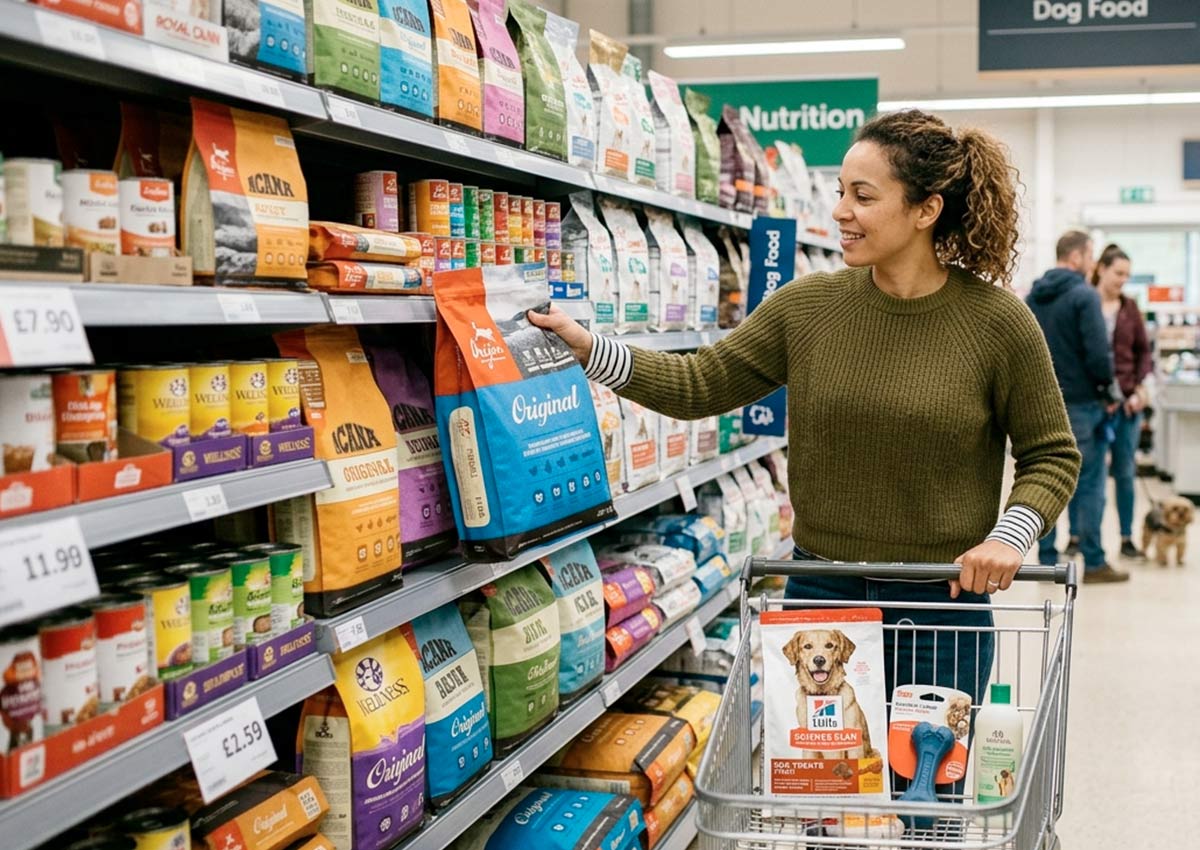
As the pet food category grows, portfolios become more complex. Brands often need to organize products by species, age, breed size, nutritional need, flavor, ingredient platform, price tier and pack format. Without a clear packaging architecture, this complexity can become a barrier to purchase.
Good line architecture turns complexity into clarity. Color coding, icons, naming systems, typography, benefit panels and consistent layout structures help shoppers quickly identify the right product. Puppies, adult dogs, senior pets, small breeds, large breeds, indoor cats or sensitive digestion formulas all need to be clearly differentiated.
At the same time, segmentation should not fragment the brand. Each product must feel part of a coherent system. The role of packaging design is to create enough differentiation for navigation, while maintaining a strong brand identity across the full portfolio.
QUALITY AND INGREDIENT TRANSPARENCY
Ingredient transparency has become a major driver of trust in pet food. Consumers increasingly look for recognizable ingredients, clean labels and clear nutritional messages. They want to understand what they are feeding their pets and why it matters.
Packaging can build confidence by showing real, fresh and appetizing ingredients in a credible way. Meat, grains, vegetables, functional nutrients and natural cues can help communicate quality when they are integrated with restraint and authenticity. The goal is not to decorate the pack, but to support the product promise.
Clean label communication must be carefully designed. Claims such as “with real chicken,” “grain free,” “high protein,” “natural ingredients,” or “no artificial colors” need hierarchy, accuracy and visual clarity. Too many messages can reduce trust; the right messages, well structured, can strengthen it.
CONNECTED PACK: QR CODES AND DIGITAL ENGAGEMENT
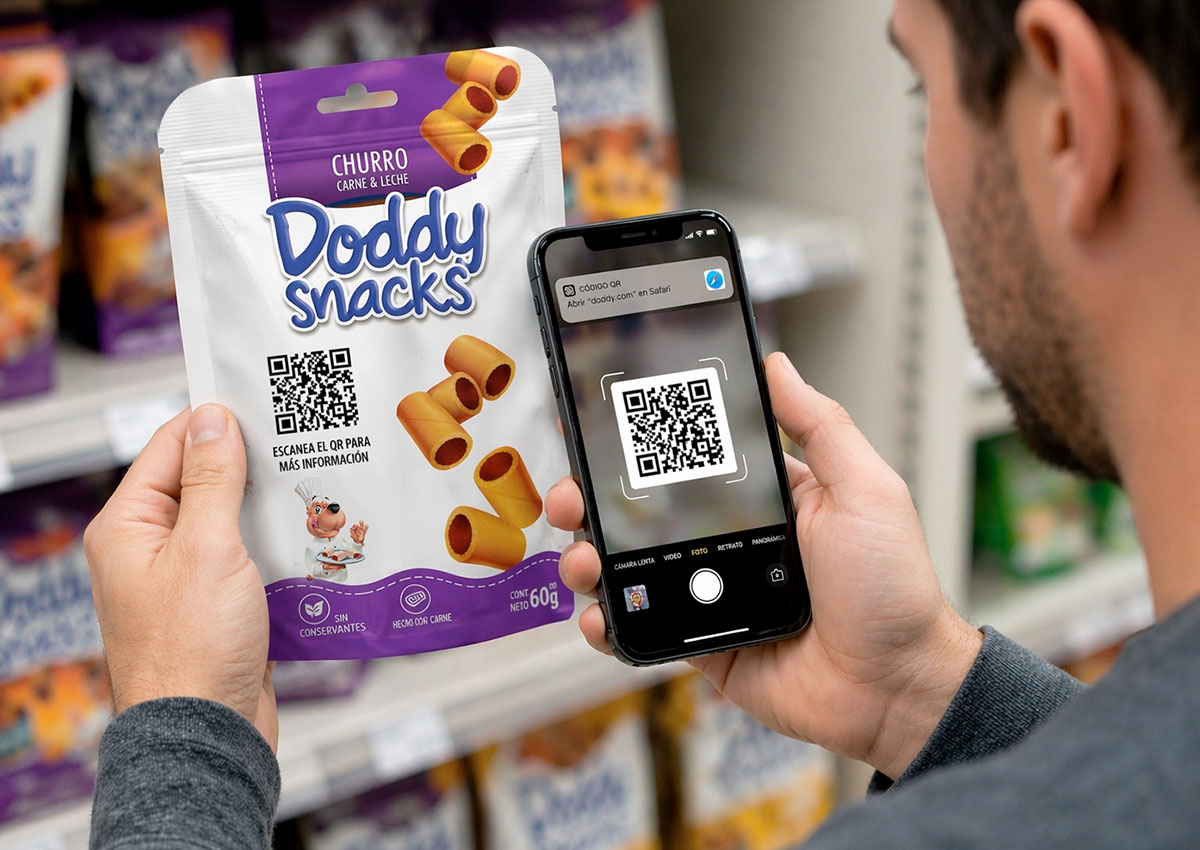
Connected packaging creates a bridge between the physical pack and the digital brand experience. Through QR codes, pet food brands can provide deeper information that does not fit on the pack, such as ingredient sourcing, feeding guides, product benefits, nutritional explanations, sustainability commitments and brand stories.
For pet food, this is especially relevant because shoppers often want reassurance. A QR-based experience can help explain why a formula is appropriate for a specific life stage, breed size or health need. It can also provide practical tools such as portion calculators, transition guides, vet-backed content or subscription links.
A connected pack also extends the role of packaging beyond the shelf. Once the product enters the home, the pack can continue generating engagement. This creates opportunities for loyalty programs, educational content, product recommendations and personalized brand communication based on the owner’s relationship with their pet.
PET FOOD PACKAGING DESIGN TRENDS
As a leading packaging design agency, Imaginity analyzes how the pet food category is evolving across retail and e-commerce. Pet food packaging is no longer just functional: it is a strategic tool to communicate quality, build emotional connection, and drive conversion. Below are the key pet food packaging design trends shaping the category today
1. Premiumization Across Multiple Price Tiers
Premiumization is reshaping the pet food category, but it is no longer limited to premium brands. Today, even mainstream and value pet food brands are adopting cleaner layouts, stronger ingredient cues, and more emotionally engaging imagery to elevate perceived quality. For a packaging design agency, this creates a more competitive shelf environment where every brand must look credible and trustworthy.
Within this landscape, premium pet food packaging increasingly draws from human food design codes. Restrained typography, natural textures, ingredient-led photography, editorial layouts, and wellness-inspired color palettes are becoming standard. Meanwhile, mainstream brands must balance quality perception with accessibility—ensuring the packaging feels both appealing and affordable.
This reflects a broader market dynamic in pet food. Consumers want to provide better nutrition for their pets but remain price-sensitive. A strong system developed by an experienced packaging design agency allows brands to elevate perceived value while maintaining relevance with their core audience.
2. Greater Shelf Segmentation and Shopper Navigation
As pet food portfolios expand, shelf navigation becomes a critical success factor. Shoppers are now faced with multiple choices across life stage, breed size, dietary needs, and functional benefits. This complexity makes packaging architecture a key strategic tool for a packaging design agency working in pet food.
Design systems are evolving toward clearer segmentation. Color coding, benefit iconography, structured information panels, and consistent layouts help guide shoppers efficiently. The more complex the pet food category, the more important it becomes to simplify decision-making through design.
This challenge extends across both physical and digital retail. In-store, pet food packaging must stand out at a distance. Online, it must remain legible at thumbnail size. A well-developed system ensures consistent performance across all shopper touchpoints.
3. More Human Food Codes in Pet Food Packaging
The humanization of pets is transforming pet food packaging design. More brands are adopting visual cues from human food, wellness products, organic categories, and even culinary brands. For a packaging design agency, this represents a shift toward elevating perceived quality and care.
This trend is expressed through cleaner layouts, appetite-appealing ingredient imagery, clearer nutritional communication, and more refined color palettes. Packaging is moving away from industrial aesthetics toward a more lifestyle-oriented expression aligned with human consumption habits.
However, balance is essential. While pet food brands benefit from human food codes, they must still communicate technical reliability and species-specific nutrition. The most effective solutions combine emotional appeal with clear, credible functional messaging.
4. Trust, Science and Transparency
As pet owners become more informed, pet food packaging must balance emotional warmth with scientific credibility. Consumers expect reassurance that the product is safe, nutritious, and appropriate for their pet’s needs. For a packaging design agency, this makes transparency a core design pillar.
Visual systems now incorporate clearer nutritional panels, simplified claims, functional icons, and ingredient callouts. Expert-backed messaging and certifications help reinforce trust, while design ensures that complex information remains easy to understand.
The opportunity is to create pet food packaging that feels both caring and authoritative. The strongest brands connect emotionally with pet owners while projecting the expertise required to support long-term pet health.
5. Pet Food Shopper Marketing: Driving Emotional Connection, Clarity and Conversion
Pet food shopper marketing sits at the intersection of emotion, information, and conversion. Purchase decisions are driven by the emotional bond between owner and pet, but also by rational factors such as price, nutrition, and perceived quality.
As a leading packaging design agency, Imaginity understands that packaging must work as part of a broader system. Shelf presence, visual blocking, and point-of-sale communication must reinforce the pack to guide shoppers quickly and effectively.
As the pet food category grows more complex, clarity becomes essential. Brands that structure their portfolios effectively and communicate benefits clearly reduce friction in the purchase journey, driving higher conversion and stronger shopper confidence.
6. E-commerce Readiness and Digital Shelf Impact
The growth of e-commerce is redefining pet food packaging design. Packaging must perform both in-store and online: across product pages, marketplace thumbnails, and social media platforms.
For a packaging design agency, this requires stronger front-of-pack hierarchy, simplified messaging, and highly recognizable brand assets. Elements that work on physical packs may lose visibility online, making digital-first readability essential.
Connected pack strategies are also gaining importance in pet food. QR codes and digital experiences transform packaging into a communication platform, enabling post-purchase engagement and strengthening long-term brand relationships.
7. Sustainability and Responsible Design
Sustainability is becoming a key expectation in pet food packaging, especially among premium brands. Consumers are increasingly aware of environmental impact, even if price and convenience still influence decisions.
As a packaging design agency experienced in pet food, at Imaginity we must translate sustainability into clear and credible communication. Material cues, responsible claims, and recycling instructions help build trust—but generic “green” messaging is no longer sufficient.
The challenge lies in balancing sustainability with performance. Pet food packaging requires durability, barrier protection, and large formats. Responsible design must therefore deliver both environmental progress and functional excellence—ensuring the pack performs at shelf, in logistics, and in consumer use.

IMAGINITY’S APPROACH TO PET FOOD PACKAGING DESIGN
At Imaginity, we translate complex product portfolios into coherent, scalable brand and packaging systems. Our approach considers every point of interaction, from shelf navigation and pack formats to e-commerce imagery and digital brand experiences, ensuring consistency across products, markets and channels.
Our work can include brand strategy and positioning, visual identity, packaging design, portfolio architecture, naming and descriptors, claims hierarchy, connected pack concepts, digital content integration and final artwork adaptation across SKUs and formats.
By combining strategic thinking with practical design implementation, we help pet food brands improve product differentiation, simplify consumer choice and build a stronger, more consistent presence across the complete portfolio.