Hispanic Branding & Packaging Design in the U.S.
STRATEGIC PACKAGING DESIGN ROOTED IN CULTURAL AND SHOPPER INSIGHTS
Hispanic consumer packaging design in the U.S. requires cultural fluency, not decoration. Brands need to understand language preference, regional identity, family rituals, flavor expectations, generational differences, and the way Hispanic shoppers move between heritage and mainstream American culture. Good packaging respects that complexity while making the product easy to recognize and choose.
At Imaginity, we work with food, beverage, and CPG brands to develop packaging that connects with Hispanic and multicultural consumers through strategy, visual identity, naming, storytelling, and shopper insight. The goal is not to make a package look “Latin,” but to make it feel relevant, credible, and emotionally clear for the audience it wants to reach.
The strategic question comes before the design response: which communities, generations, language preferences, occasions and retail contexts are relevant to this brand? A credible brief distinguishes what the audience shares from what varies by origin, region and degree of cultural identification, then identifies where language, imagery, flavor cues or brand voice should change.
When that strategy extends to packaging, the work should connect cultural relevance with clear product communication and the brand’s existing identity. Imaginity’s Latin America experience provides cross-market context, while our U.S. packaging and branding work shows how market requirements are carried into execution.
Designing packaging for Hispanic consumers in the U.S.?
Imaginity works with food, beverage, personal care and CPG brands on packaging systems and visual identities for Hispanic and multicultural shoppers. Projects range from a single new variant to a full line redesign or a Latin American brand's first U.S. launch, with bilingual hierarchy and retail-ready design built in.
Selected Hispanic-market project work
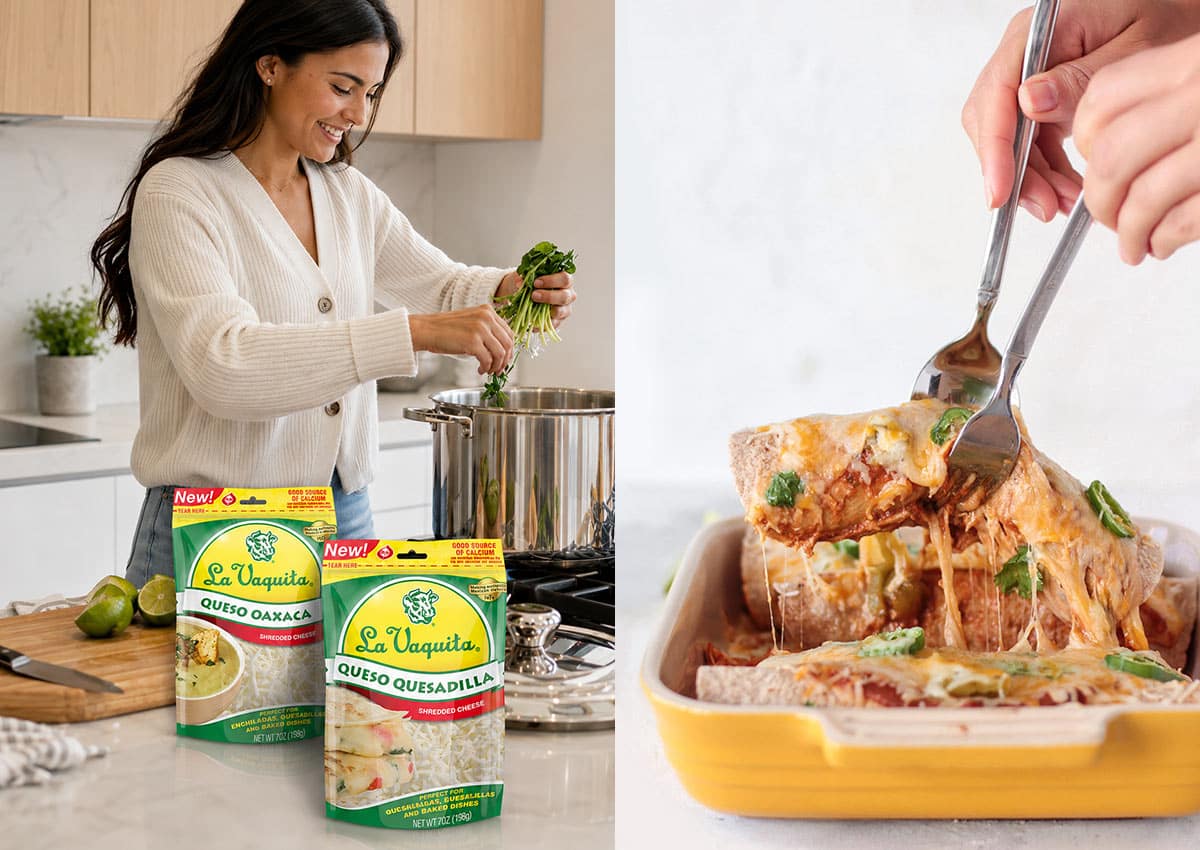
U.S. Hispanic packaging — La Vaquita: Imaginity designed packaging for ready-to-use shredded Oaxaca and Quesadilla cheeses, communicating convenience while retaining the brand’s Hispanic heritage. View the packaging project.
Latin American branding and mascot — Bimbo: Imaginity refined Bimbo’s brand identity and made the bear mascot a more prominent part of its visual system. View the Bimbo branding project.
U.S. out-of-home activation — La Vaquita: Imaginity created a campaign to introduce the brand’s traditional crumbled cheese to a broader U.S. audience. View the brand-activation project.
Planning packaging for U.S. Hispanic shoppers? Discuss your project with Imaginity.
Hispanic Branding: Positioning Your Brand in the U.S. Hispanic Market
Imaginity is a branding and packaging design agency that helps food, beverage, personal care and consumer brands build relevance with U.S. Hispanic shoppers. From our offices in Miami, Mexico City and Buenos Aires, we work on brand positioning, visual identity, mascots and packaging systems for brands that sell to Hispanic and multicultural consumers in the United States.
Hispanic branding is not a Spanish version of an existing brand. It is a set of decisions about who the brand is for, which cultural codes it can credibly use, and how its identity works in two languages, on shelf and on screen.
Start with positioning, not decoration
Brands usually reach the U.S. Hispanic market from one of three starting points, and each needs a different strategy:
- A heritage Hispanic brand that wants to grow beyond its core shoppers without losing them.
- A mainstream U.S. brand that wants to become more relevant to Hispanic households.
- A Latin American brand entering U.S. retail, where its home-market equity may read as "familiar" to some shoppers and "imported" to others.
Defining which of these you are — and which shoppers matter most — comes before any design work. Our brand consulting process starts there, using the audience distinctions in our guide to Hispanic market segmentation.
Hispanic brand identity that works in two languages
A strong visual identity for Hispanic and bicultural audiences has to hold together whether the shopper reads the English or the Spanish first. That means a logo and name that stay recognizable in both languages, a clear rule for which language leads, and a tone of voice that sounds natural rather than translated. As portfolios grow, a clear brand architecture keeps variants, flavors and sub-brands easy to navigate.
Protect the assets shoppers already know
For established brands, the most valuable branding assets are often the ones consumers grew up with: a character, a color, a seal. Evolving them carefully keeps recognition across generations. For Bimbo in Latin America, we made the bear the protagonist of the identity and refined its expression and line work; for Wise Snacks in the U.S., we modernized the Peppy owl while preserving its heritage. See our Bimbo branding work, the Wise Peppy mascot evolution and our mascot design and evolution services.
One brand from pack to shelf to street
Hispanic branding succeeds when the identity carries through every touchpoint: the package, the point of sale, out-of-home and e-commerce. For La Vaquita, a traditional Hispanic cheese brand, we created an out-of-home campaign that introduced its crumbled cheese to shoppers beyond its core audience, alongside packaging for its shredded Oaxaca and Quesadilla cheeses. Explore our in-store marketing and brand activation services.
Looking for a Hispanic branding partner for a new brand, a redesign or a U.S. launch? Explore our branding services or talk with our team about your project.
The U.S. Hispanic Shopper in 2026: What the Numbers Mean for Your Packaging
The U.S. Hispanic market is large, young, mostly U.S.-born and increasingly bilingual. Each of those facts changes a design decision — from which language leads on the front panel to how a pack reads as a thumbnail on a retailer's app.

A mainstream market, not a niche aisle
The U.S. Hispanic population reached 70.1 million in July 2025, 21% of the country (U.S. Census Bureau). Hispanic products now compete in the main aisle as well as the international one, so packaging has to win against mainstream brands on clarity and appetite appeal, not only on cultural cues. See how we approach packaging and branding for U.S. retail.
Bilingual, not translated
In 2024, 71% of U.S. Latinos ages 5 and older spoke English proficiently, while 68% spoke Spanish at home (Pew Research Center). Most households move between both languages, so the brief is rarely "Spanish packaging" or "English packaging." It is a bilingual hierarchy: one lead language per panel, with the other used where it carries meaning — the product name, the flavor, the key benefit. Our work for La Vaquita's shredded Oaxaca and Quesadilla cheese packaging shows how a heritage brand can introduce a new format without losing its roots.
Specific origins beat a generic "Latin" look
When asked how they usually describe themselves, 53% of Hispanic adults name their family's country of origin, while 27% use a broader term such as Hispanic or Latino (Pew Research Center, 2025 survey). Cues that reflect a real place — a regional dish, a familiar type style, a recognizable ingredient — build more trust than broad "Latin" decoration. Explore our brand and packaging experience across Latin America and our guide to segmenting the U.S. Hispanic market.
Young shoppers, shopping on screens
The Hispanic population's median age is 31.1 (U.S. Census Bureau, 2025). Gen Z and Millennial households account for 65% of Hispanic consumer spending, and 30% of Hispanic dollars were spent online in 2025 (NIQ). A pack that works on shelf must also read at thumbnail size. Read more on designing packaging from shelf to screen and our digital store marketing services.
Larger households, larger formats
Hispanic households average 3.09 people versus 2.5 nationally, two-thirds of their spending happens in grocery and mass channels, and warehouse and club formats grew nearly 20% year over year (NIQ, 2025). Pack sizes, multipacks and value tiers deserve the same design attention as the hero SKU. See how we build a product line architecture that keeps every size and variant easy to find.
Planning a launch, redesign or line extension for U.S. Hispanic shoppers? Explore our packaging design and branding services, or discuss your project with our team.
Sources: U.S. Census Bureau, National Hispanic Heritage Month: 2026 (Vintage 2025 estimates); Pew Research Center, Key facts about U.S. Latinos (2025); Pew Research Center, Who is Hispanic? (2026); NIQ, Multicultural Momentum: How Hispanic Consumers Are Redefining Retail Growth (2025).
Hispanic CPG Packaging Design for the U.S. Market
For Hispanic CPG brands in the U.S., packaging must connect with culture while competing clearly at shelf level. Shoppers need to understand the product, recognize its relevance, and feel the authenticity behind the brand—especially in categories where tradition, origin, flavor, and family habits influence purchasing decisions.
Imaginity works with Hispanic food, beverage, and consumer brands to evolve their packaging design while respecting heritage and established brand recognition.
Packaging Work That Matches the Brand Challenge
A project may extend an existing product into a broader line, introducing a new variant while keeping the brand recognizable and making the new offering easy to find on shelf.
Other assignments evolve an existing package, bringing freshness, stronger visual appeal, and clearer communication without losing the equity consumers already know.
A more extensive redesign may change the visual identity, pack formats, product-line architecture, and presentation of flavor and taste appeal across a range.
Whatever the scope, the objective is packaging that feels authentic to Hispanic consumers and is clear, distinctive, and competitive in the U.S. retail market.
Packaging Design for the U.S. Hispanic Market
Color, Language, Heritage Cues and Emotional Design
Hispanic shoppers are one of the largest and fastest-growing audiences in U.S. retail, and one of the easiest to get wrong. Translating a claim or adding a "Latin-inspired" pattern rarely earns trust. What does earn it is packaging that reflects real origins, uses Spanish where it carries meaning, and still competes clearly on shelf.
Packaging design is where that relevance is won or lost, because the pack is often the first conversation a brand has with the shopper.
Drawing on three decades of work with brands across the U.S. and Latin America, here are the design approaches that connect with Hispanic consumers, and the mistakes to avoid.
What Works: Key Design Strategies
1. Color That Evokes Culture—Without Cliché
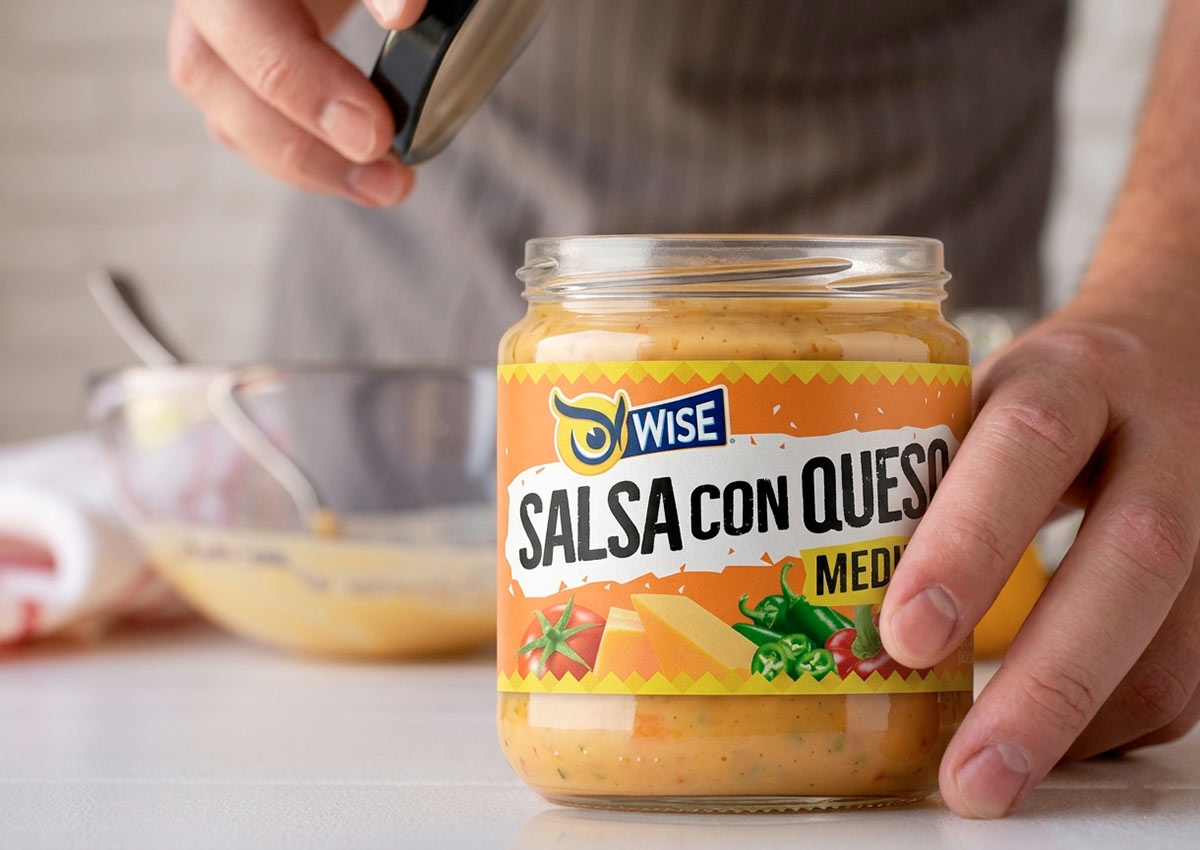
Vibrant colors resonate well—but it's essential to use them intentionally. Bright, saturated palettes can evoke joy, celebration, and tradition when rooted in authentic references (e.g., hand-painted signs, textiles, or culinary packaging from Latin America).
- Tip: Use color to celebrate, not caricature. Deep greens, terracottas, rich blues, and warm neutrals often convey authenticity and warmth without feeling cartoonish.
2. Language That Reflects Identity
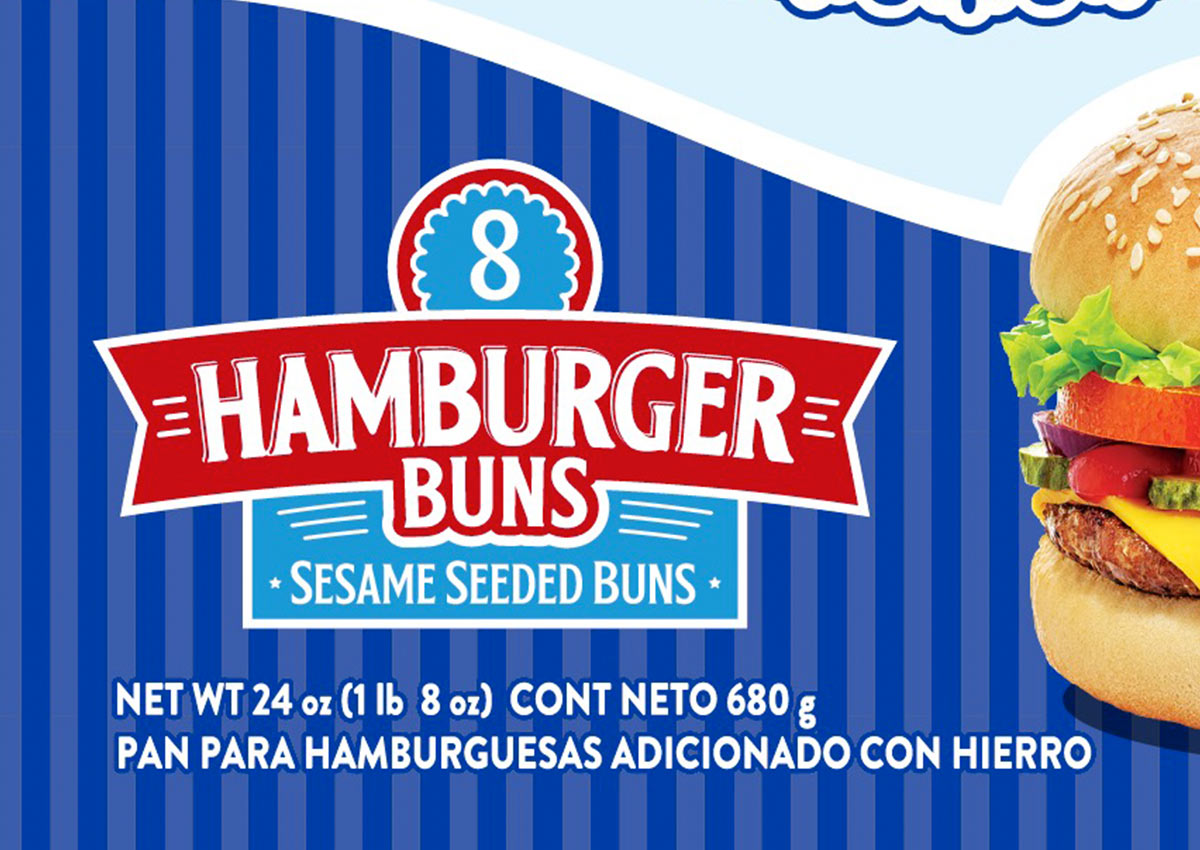
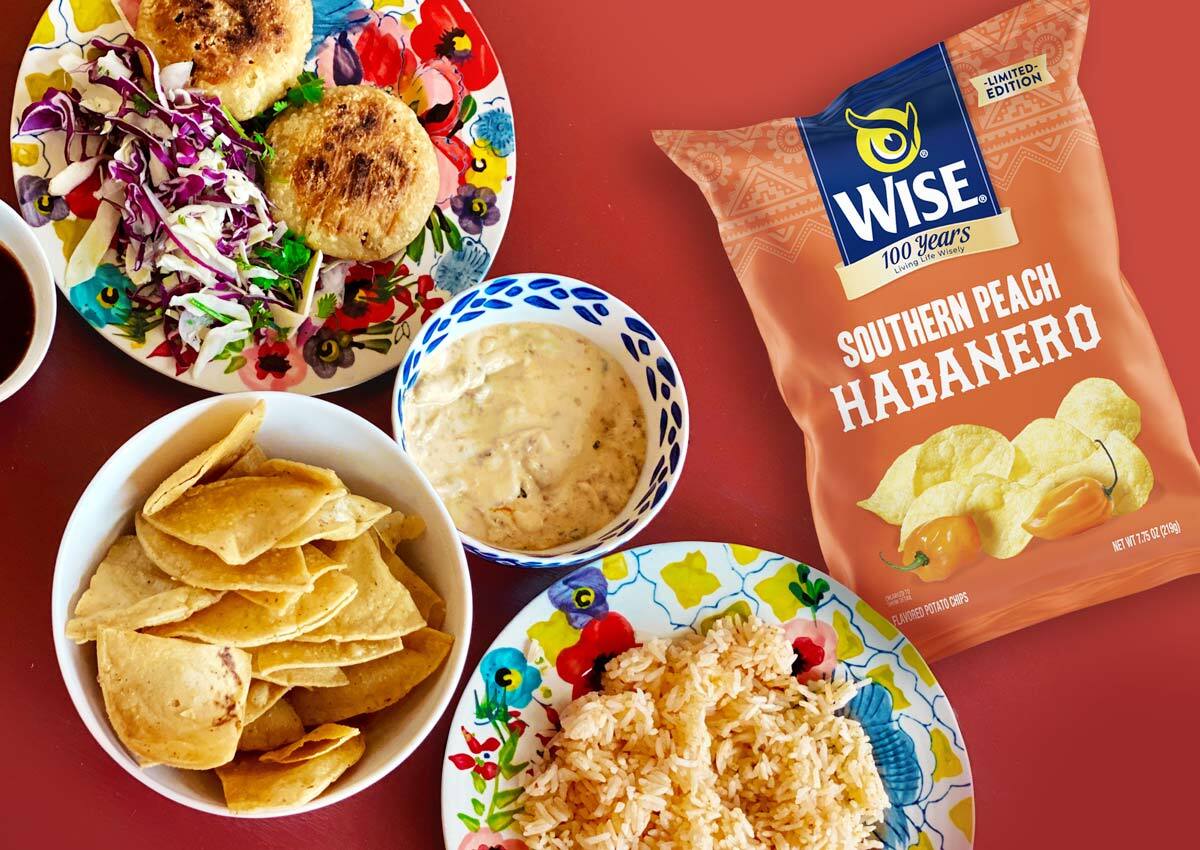
Language matters—but context matters more. For bilingual or bicultural consumers, seeing Spanish used fluently and respectfully can create an instant emotional bond. However, poor translations, forced Spanglish, or token use can alienate.
- Use Spanish where it adds value: product names, benefits, or cultural storytelling.
- Avoid generic phrases or direct translations without cultural adaptation.
3. Heritage Cues That Tell a Story
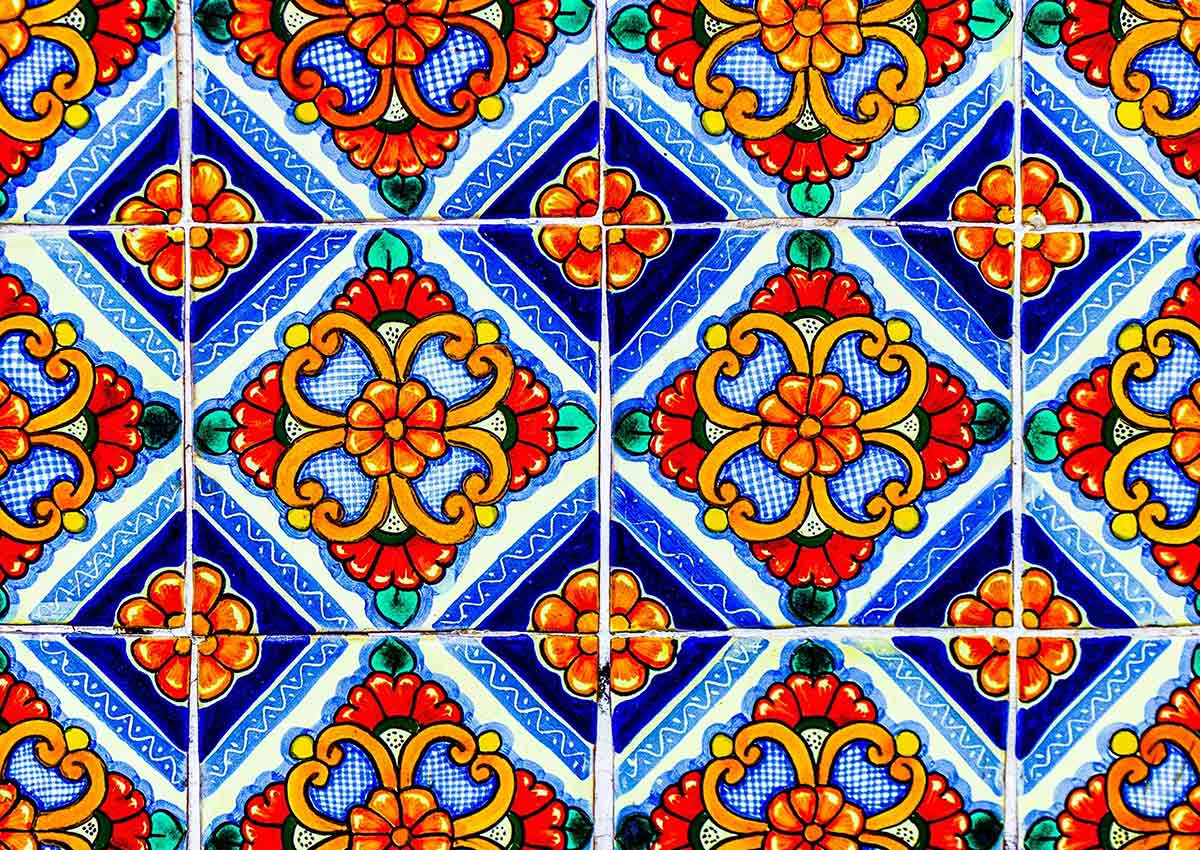
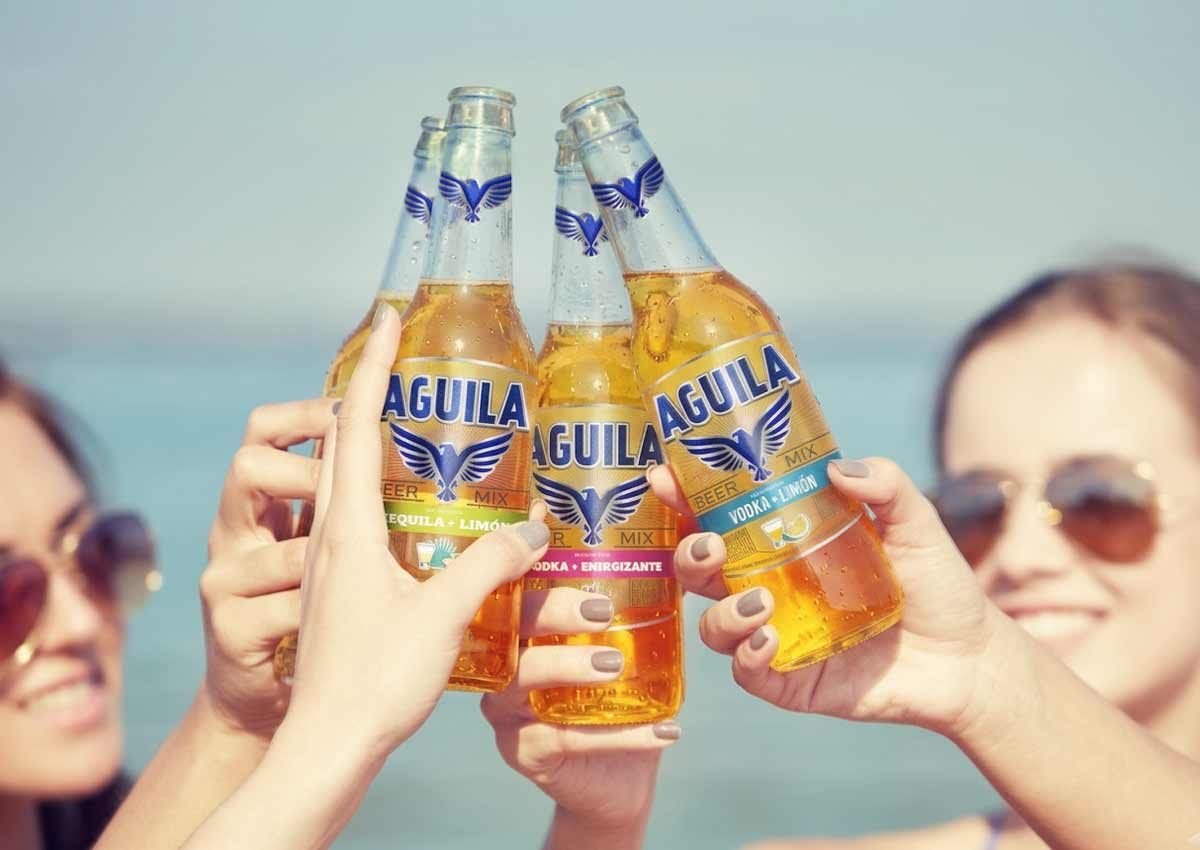
Incorporating visual elements like traditional motifs, textures, or region-specific references can strengthen authenticity—when tied to the brand’s story. Don’t just decorate—narrate.
Examples of successful cues:
- Iconography inspired by well-known cultural symbols
- Typography that nods to old storefront signage or food packaging
- Natural materials or finishes that reflect artisanal roots
4. Emotional Drivers That Resonate
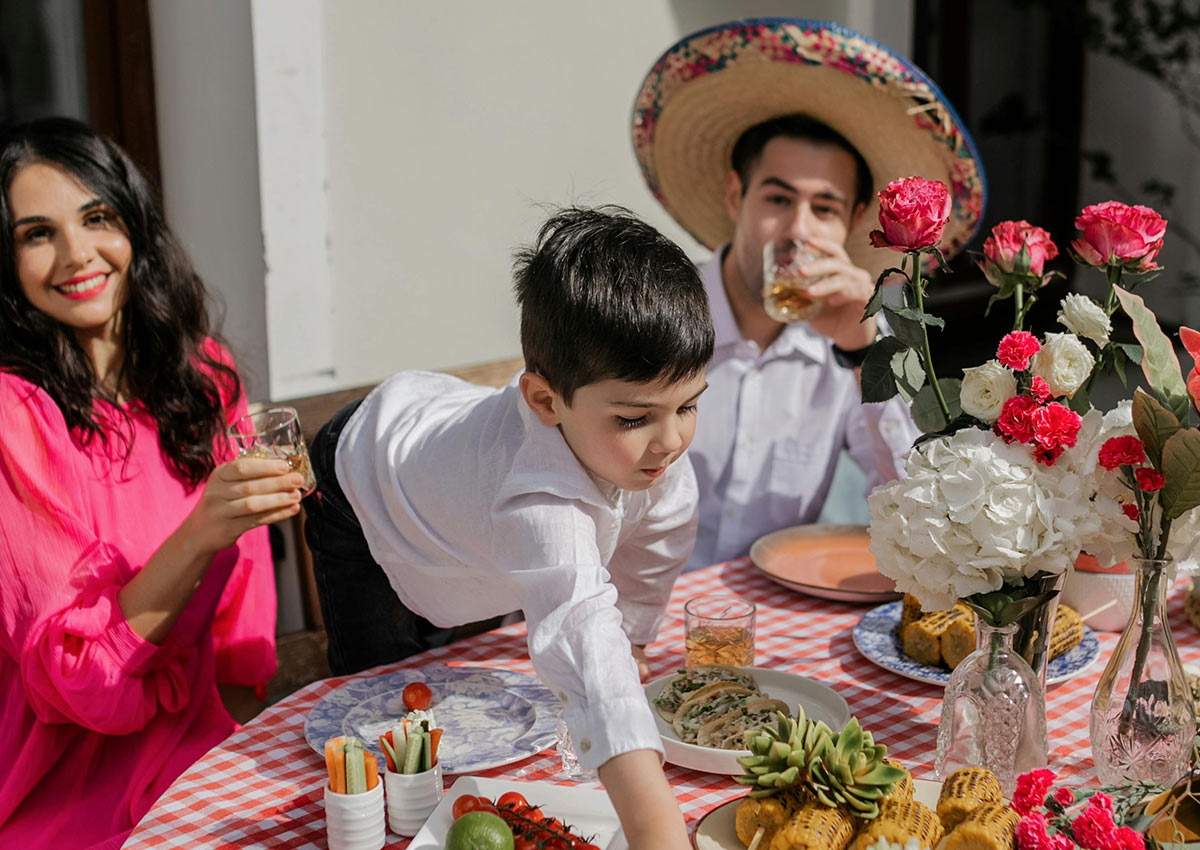
Across Hispanic segments, certain emotional themes consistently connect:
- Family Bonds
- Tradition and Belonging
- Flavor as a Celebration of Life
- Happiness, Vibrancy, and Optimism
Great packaging taps into these values—not by stating them, but by expressing them visually through imagery, tone, and layout.
What Doesn’t Work: Common Mistakes
1. One-Size-Fits-All Latinization
Relying on outdated symbols like sombreros, chili peppers, or maracas to signal “Latino” identity is not only lazy design—it’s ineffective. These visual clichés reduce a vibrant, multifaceted community to simplistic stereotypes that often feel more offensive than inclusive. Today’s Hispanic consumers, especially younger and U.S.-born audiences, are more design-literate and culturally aware than ever. They expect nuance, not caricature.
Instead of flattening diversity into tired tropes, brands should explore what truly resonates—regional flavors, family traditions, bilingual storytelling, or aesthetic references that reflect real cultural pride. A thoughtful, localized design approach that acknowledges differences within the Hispanic community—Mexican, Puerto Rican, Colombian, etc.—is far more likely to forge emotional connections than a generic “Latin look.”
2. Surface-Level Spanish
Dropping in a few Spanish words or poorly translated slogans may seem like a shortcut to relevance, but it often has the opposite effect. Mistranslations or forced code-switching can appear superficial and even disrespectful to bilingual consumers who easily detect when a brand is “faking fluency.” These missteps can alienate more than attract, signaling that the brand sees the Hispanic audience as a box to check—not a community to engage with meaningfully.
Authentic communication starts with collaboration. If your team doesn’t speak the language or understand the cultural context deeply, the best move is to partner with people who do—bilingual designers, copywriters, and cultural strategists. The difference is instantly recognizable. When a brand speaks the language naturally and with respect, it not only builds credibility but also shows that it values its audience on more than a superficial level.
3. Overdesigning
There’s a misconception that to appeal to Hispanic consumers, packaging must be loud, colorful, and filled with traditional motifs. While vibrancy has its place, it’s a mistake to assume that all Latin American shoppers prefer maximalist design. In fact, many second- and third-generation Hispanic consumers gravitate toward modern, clean, and premium aesthetics—just like their non-Hispanic peers.
The key is balance. A sleek design can still carry cultural meaning through subtle cues: a word, a color palette, a nod to heritage ingredients or rituals. When done well, this understated approach can feel more authentic—and more premium—than overt visual references. Designing for today’s Hispanic market means understanding evolving identities and preferences, not relying on outdated assumptions.
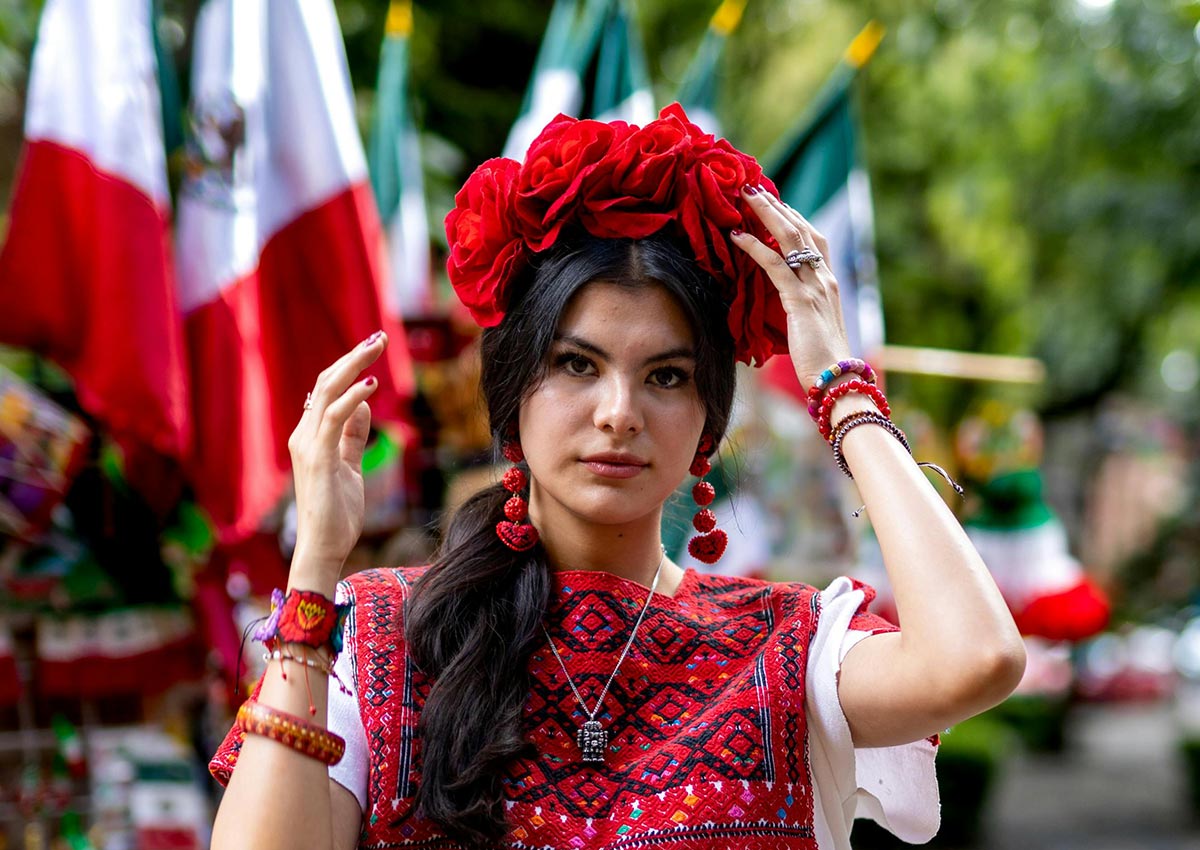

Designing for the U.S. Hispanic market means understanding identity as layered, evolving, and multidimensional. It’s about celebrating heritage, yes—but also recognizing how Hispanic consumers shape mainstream trends, not just niche ones.
At Imaginity, we believe the most impactful design comes from cultural fluency, not formula. We work with brands to develop packaging that speaks with respect, relevance, and resonance.
Hispanic Branding and Packaging: Frequently Asked Questions
What is Hispanic branding?
Hispanic branding is the work of making a brand relevant and credible to Hispanic consumers in the United States. It covers positioning, visual identity, naming, tone of voice and packaging, and how all of them work in English and Spanish. It is not a Spanish translation of an existing brand: it starts with which shoppers matter most and which cultural cues the brand can use with authenticity.
How do you position a brand in the U.S. Hispanic market?
Start by defining your starting point: a heritage Hispanic brand growing beyond its core shoppers, a mainstream U.S. brand seeking more relevance with Hispanic households, or a Latin American brand entering U.S. retail. Then choose the priority segments, the role each language plays and the brand assets to protect. Our brand consulting work begins with these decisions, before any design.
Should packaging for Hispanic consumers be in Spanish?
Usually it should be bilingual rather than Spanish-only. In 2024, 71% of U.S. Latinos ages 5 and older spoke English proficiently and 68% spoke Spanish at home (Pew Research Center). Most households move between both languages, so the right balance depends on the category, the retailer and the priority shoppers. Spanish works best where it carries meaning, such as the product name, the flavor or a cultural story.
What is a bilingual packaging hierarchy?
A bilingual packaging hierarchy is the set of rules that decides which language leads on each panel and where the second language appears. A common approach is one lead language per panel, with the other used for the product name, flavor and key benefit, so the pack stays clear instead of crowded. See how we applied this thinking to La Vaquita's shredded Oaxaca and Quesadilla cheese.
How do you segment the U.S. Hispanic market?
Useful segmentation combines country of origin, language preference, generation, U.S.-born or foreign-born status, household role and category behavior. The goal is to find the differences that change a branding or packaging decision, such as which language leads or which heritage cues are credible. Our guide to Hispanic market segmentation explains how to define priority segments for a brief.
Should a brand use "Hispanic" or "Latino" on packaging?
In most cases, neither is needed on the pack. When asked how they usually describe themselves, 53% of Hispanic adults name their family's country of origin, while 27% use a broader term such as Hispanic or Latino (Pew Research Center, 2025 survey). Specific cues, such as a regional recipe or a recognizable ingredient, usually connect better than a pan-ethnic label.
How can an authentic Latino food brand appeal to mainstream American shoppers?
Keep the heritage as a source of credibility, and make the product easy to understand for shoppers who do not know it yet: what it is, how to use it and what it tastes like. Clear usage cues and appetite appeal matter as much as cultural cues. For La Vaquita, we created an out-of-home campaign to introduce its traditional crumbled cheese to shoppers beyond its core audience.
Can a Latin American brand keep its logo or mascot when it enters the U.S.?
Often it should, because those assets carry recognition for shoppers who already know the brand. The question is how to evolve them for U.S. shelves and screens without losing that equity. For Bimbo in Latin America, we made the bear the protagonist of the identity, and for Wise Snacks in the U.S., we modernized the Peppy owl. Learn more about our mascot design and evolution services.
Who does Imaginity work with on Hispanic branding and packaging?
Imaginity is a branding and packaging design agency with offices in Miami, Mexico City and Buenos Aires. We work with food, beverage, personal care and consumer brands on positioning, visual identity, mascots and packaging systems for Hispanic and multicultural consumers in the United States, including U.S. companies and Latin American brands entering U.S. retail. Explore our packaging design and branding services or contact our team.