
Hispanic Market Segmentation for Packaging Design
Segmenting the U.S. Hispanic Market for Branding and Packaging Decisions
The U.S. Hispanic market is not one audience. Useful Hispanic segmentation looks at country of origin, language preference, generation, U.S.-born or foreign-born status, household role and category behavior. The goal is not a long demographic profile. It is to find the few differences that change a real decision: the product proposition, which language leads on the pack, which visual codes are credible, which benefit comes first and where the product is sold.
This guide covers those audience decisions. Teams ready to turn them into brand identity, packaging systems and bilingual communication can continue to our page on Hispanic branding and packaging design in the U.S. Imaginity is a packaging design agency for U.S. consumer brands, with offices in Miami, Mexico City and Buenos Aires.

The U.S. Hispanic Market: Large, Diverse and Growing
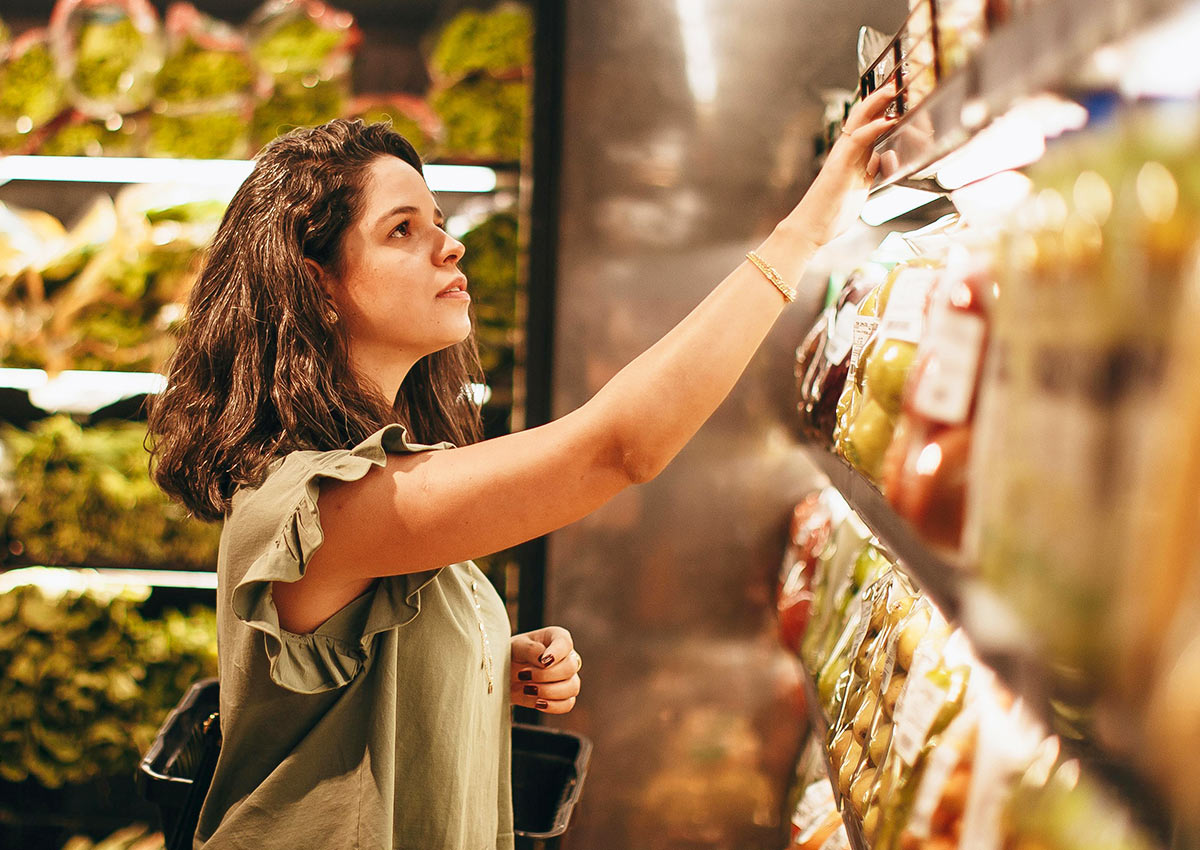
The Hispanic population of the United States reached 70.1 million people in July 2025, representing approximately 21% of the country’s population, according to the U.S. Census Bureau. It is the nation’s largest racial or ethnic minority and an increasingly influential part of the mainstream consumer market. Hispanic households shape demand across food, beverages, personal care, household products, retail and e-commerce, making this audience relevant to established brands, emerging CPG companies and Latin American businesses entering U.S. retail.
The scale of the market is important, but size alone does not provide a useful strategy. The U.S. Hispanic population is not a single, uniform consumer group. It includes people with family roots in Mexico, Puerto Rico, Cuba, the Dominican Republic, Central America, South America and Spain, as well as families whose identities have developed across several generations in the United States. People of Mexican origin represent the largest share of the population, but numerous other origin groups include more than one million people. Each group brings different foods, expressions, traditions, visual references and expectations to the marketplace.
Those differences also vary by location. Mexican heritage has a particularly strong presence in markets such as Los Angeles, Dallas, Houston and Chicago, while Puerto Rican and Dominican communities are prominent in the New York area. Cuban heritage has a distinctive influence in Miami and South Florida, and Salvadoran communities represent an important audience in Washington, D.C. A national launch may therefore require regional priorities rather than one universal set of cultural cues. The product may remain consistent across the country while language emphasis, flavor communication, retail activation and supporting imagery change by market.
Language adds another layer of complexity. In 2024, 71% of U.S. Latinos ages five and older spoke English proficiently, while 68% spoke Spanish at home. Those figures do not describe two separate audiences. Many consumers move naturally between English and Spanish depending on the person, occasion, category and shopping environment. A package may lead with English while retaining a Spanish product name, or use Spanish for a flavor, preparation method or expression that carries cultural meaning. The appropriate solution comes from understanding the priority shopper, not from assuming that every Hispanic consumer expects Spanish-first communication.
Generation and nativity also influence the relationship between heritage and contemporary American culture. A foreign-born shopper may recognize a brand, character or visual code from childhood, while a U.S.-born family member may respond to the same asset as an expression of identity rather than nostalgia. Younger consumers may prefer modern, premium or digitally fluent design while maintaining a strong connection to family origin. The brand must decide which forms of recognition deserve protection and which parts of the identity can evolve for a new generation, channel or retail context.
For this reason, effective work for the U.S. Hispanic consumer begins with segmentation. Country of origin, language preference, generation, household role, category behavior and retail channel become useful only when they change a real decision. They can determine the product proposition, the hierarchy of benefits, the language that leads on each panel, the flavors that need explanation, the brand assets that should remain familiar and the cultural references that the brand can use credibly.
This approach is especially important for brands moving between markets. A company with experience in Latin America may possess strong regional equity, but the meaning of its name, colors, character or product category can change when it enters the United States. Similarly, a mainstream U.S. brand cannot create relevance simply by translating its claims or adding broadly “Latin” imagery. Both situations require a clear understanding of how heritage, familiarity, product comprehension and U.S. retail expectations interact.
Packaging is where many of those decisions become visible. A well-structured system must communicate what the product is, why it is relevant and how it fits the shopper’s life. It must also compete with established category leaders, remain recognizable across variants and sizes, and work in the mainstream aisle, the Hispanic set, club stores and digital storefronts. Our experience developing packaging systems for global brands reinforces the importance of balancing consistency with local relevance.
Imaginity works across the U.S. and Latin American markets, with offices in Miami, Mexico City and Buenos Aires. That perspective allows our packaging design agency to distinguish between regional references instead of reducing them to a generic Hispanic aesthetic. The objective is not to place every cultural signal on the package. It is to identify the few audience differences that should guide positioning, language, identity, packaging hierarchy and shopper communication. The following segmentation framework translates that market complexity into practical decisions for a branding or packaging brief.
Why the U.S. Hispanic market needs segmentation
The numbers describe a market that is large, young and highly varied:
- Size: 70.1 million people as of July 2025, 21% of the U.S. population (U.S. Census Bureau).
- Nativity: 33% of Hispanics were immigrants in 2024, down from 40% in 2000 (Pew Research Center).
- Age gap: in 2023, the median age of U.S.-born Hispanics was 21.4, compared with 43.6 for Hispanic immigrants (Pew Research Center).
- Language: in 2024, 71% of Latinos ages 5 and older spoke English proficiently, and 68% spoke Spanish at home (Pew Research Center).
- Origin: people of Mexican origin are 57% of U.S. Hispanics, and eight other origin groups have more than 1 million people each, including Puerto Ricans, Cubans, Salvadorans, Dominicans and Colombians (Pew Research Center, 2024 data).
Origin also changes by city. People of Mexican origin are about three-quarters of Hispanics in the Los Angeles, Chicago and Dallas metro areas, while Dominicans and Puerto Ricans are the largest groups in the New York area and Cubans are about 40% of Hispanics in the Miami area (Pew Research Center). A pack designed for Houston shelves may need different cues from one designed for New York or Miami. Our work in the United States and across Latin America helps us tell these references apart.
The segmentation variables that change a brand or packaging decision
| Variable | What it changes |
|---|---|
| Country of origin | Which recipes, ingredient names, flavors and visual references feel familiar and credible |
| Language preference | Which language leads each panel, and where the second language carries meaning |
| Generation and nativity | How explicit heritage cues should be, and how closely the design follows mainstream category codes |
| Household role and size | Pack sizes, multipacks and value tiers |
| Category behavior | Which claims, usage cues and benefits matter most at shelf and online |
| Retail channel and region | Mainstream aisle vs. Hispanic set, club and mass formats, e-commerce thumbnails |
Four practical segments for brand and packaging briefs
Imaginity uses four working segments to start a brief. They are a planning framework, not a measured census of the market, and each brief layers the relevant origin groups and regions on top.
1. Heritage keepers
- Who: foreign-born adults, often the household's main shopper, with strong ties to their country of origin.
- Language: Spanish preferred, often reading English for key claims.
- What they expect: recognizable brands, honest value and correct, natural Spanish.
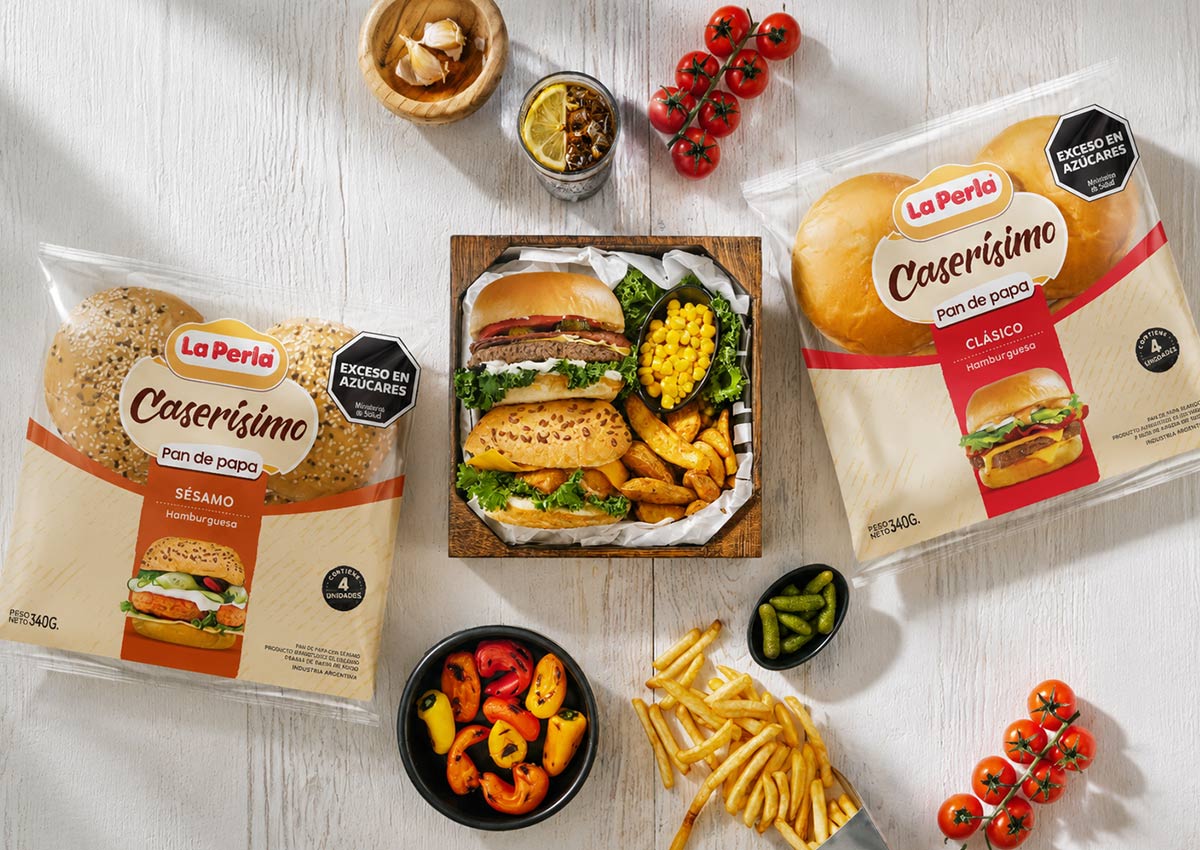
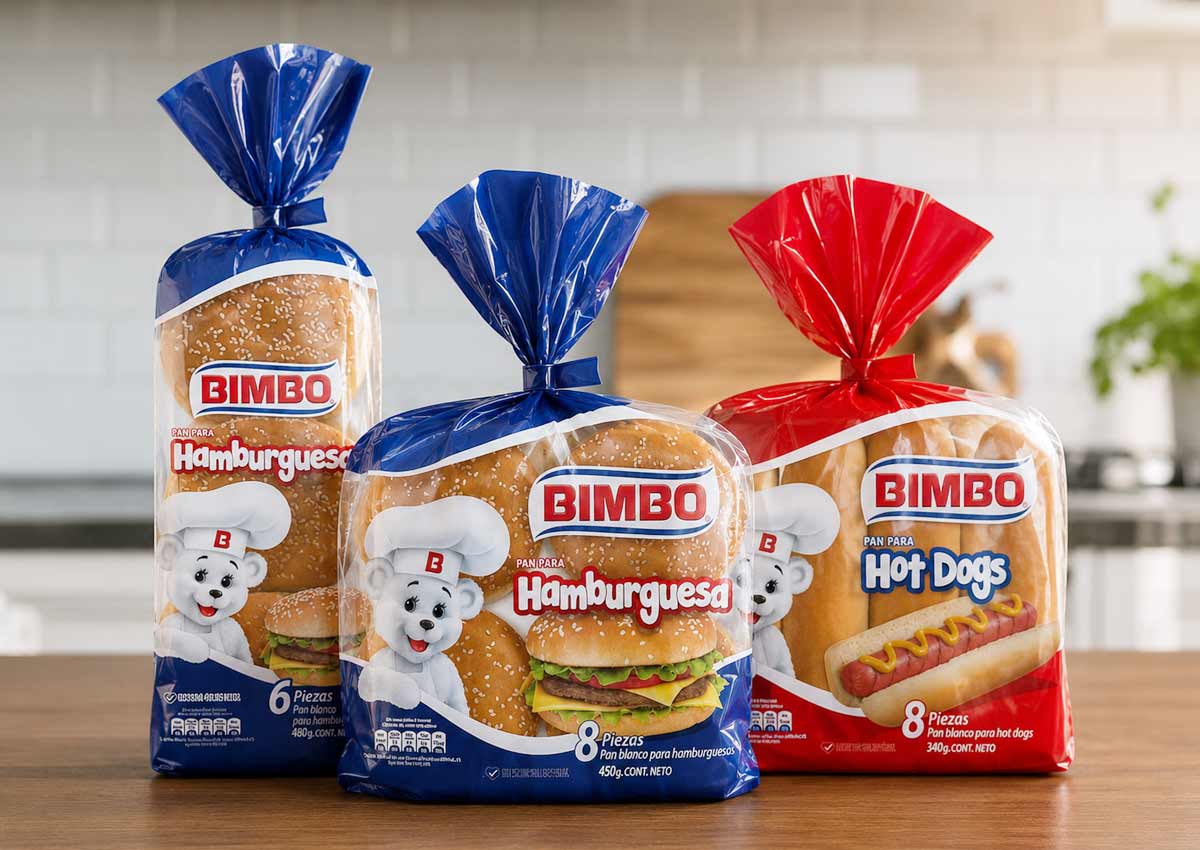
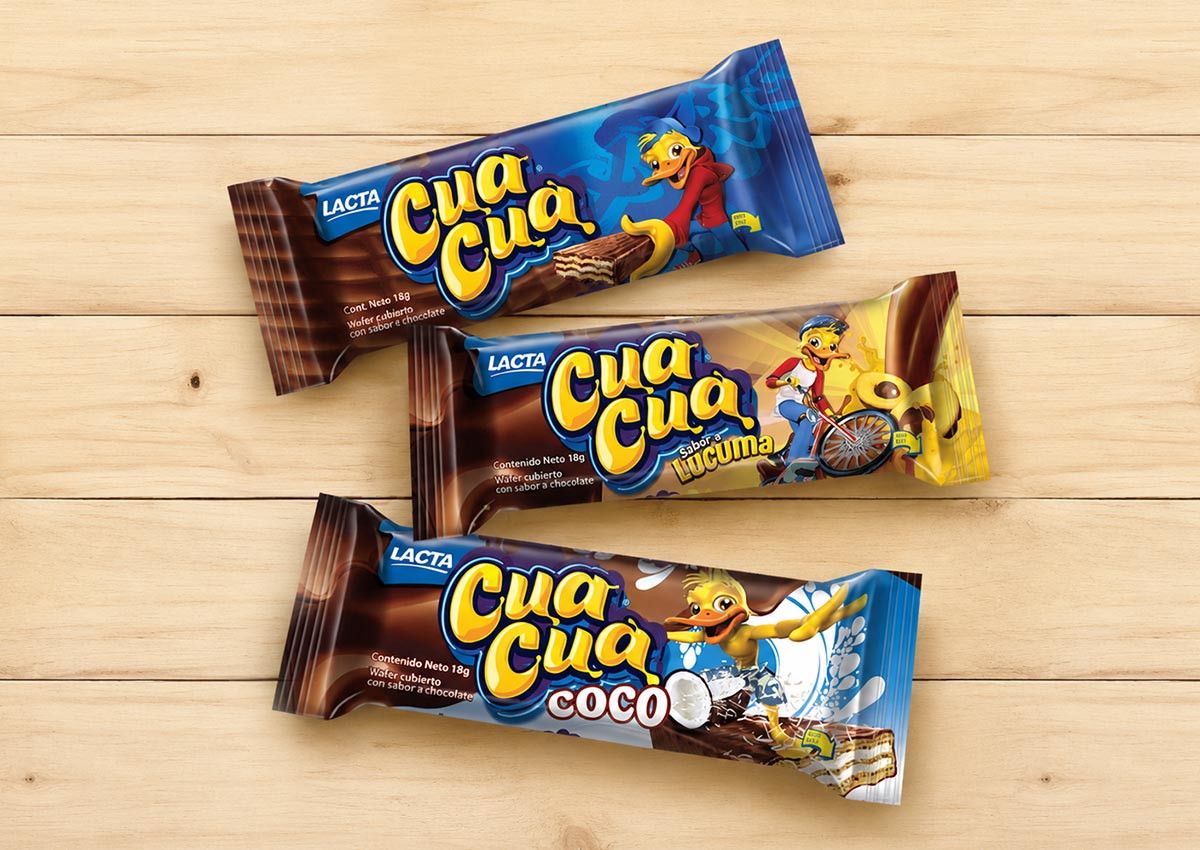
- Packaging implication: keep the equity assets they know, such as a character, a color or a seal, and use origin-specific cues rather than generic ones. See our Bimbo bread packaging and the evolution of the Cua Cua character and packaging, and the evolution of the Bimbo bear.
2. Bicultural family builders
- Who: U.S.-born or U.S.-raised parents shopping for larger households.
- Language: bilingual, switching by context.
- What they expect: convenience, value and products that work for both their parents' and their children's tastes.
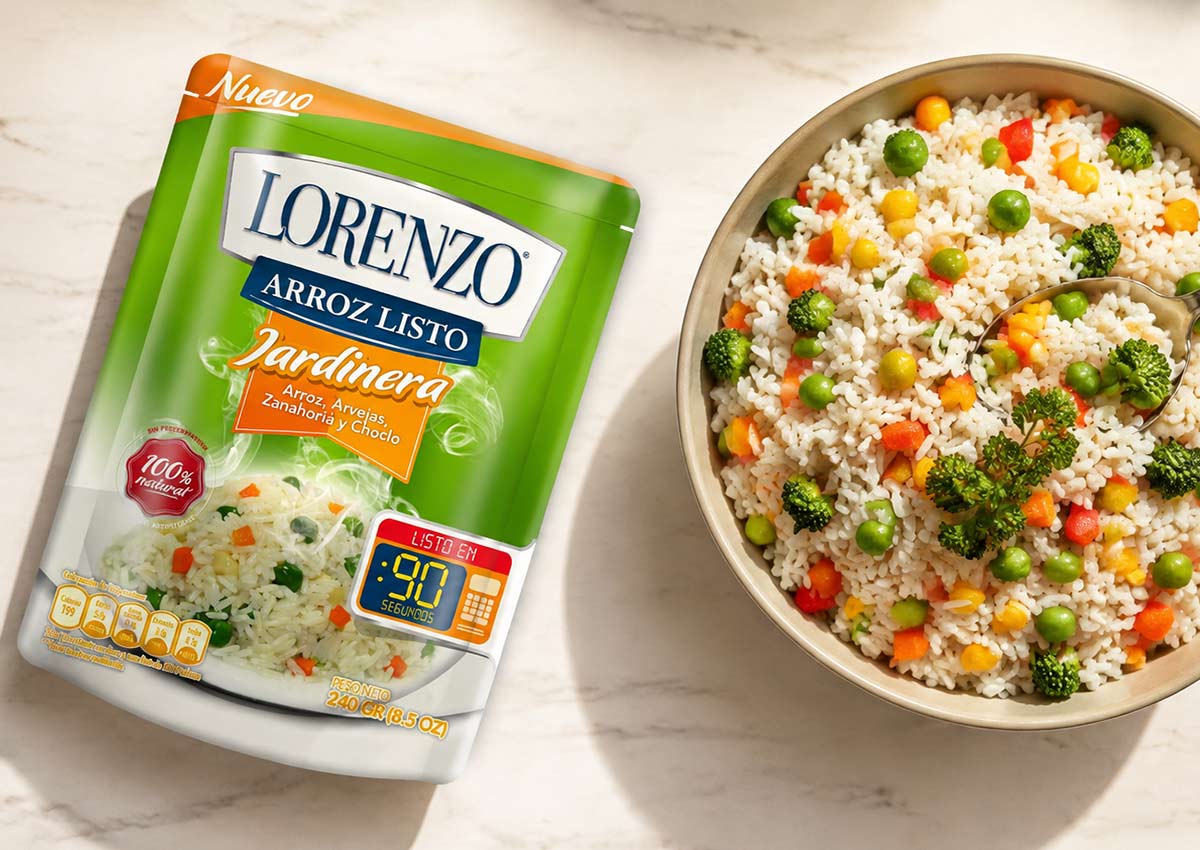
- Packaging implication: a clear bilingual hierarchy, convenience claims and a well-organized range of pack sizes, as in our Borden thick-cut cheese packaging and Lorenzo ready rice line.
3. U.S.-born young Latinos
- Who: teens and young adults, born in the U.S., who shop online more often.
- Language: mostly English, with Spanish as a cultural signal.
- What they expect: cultural specificity without stereotypes, and design that matches the best of the category.
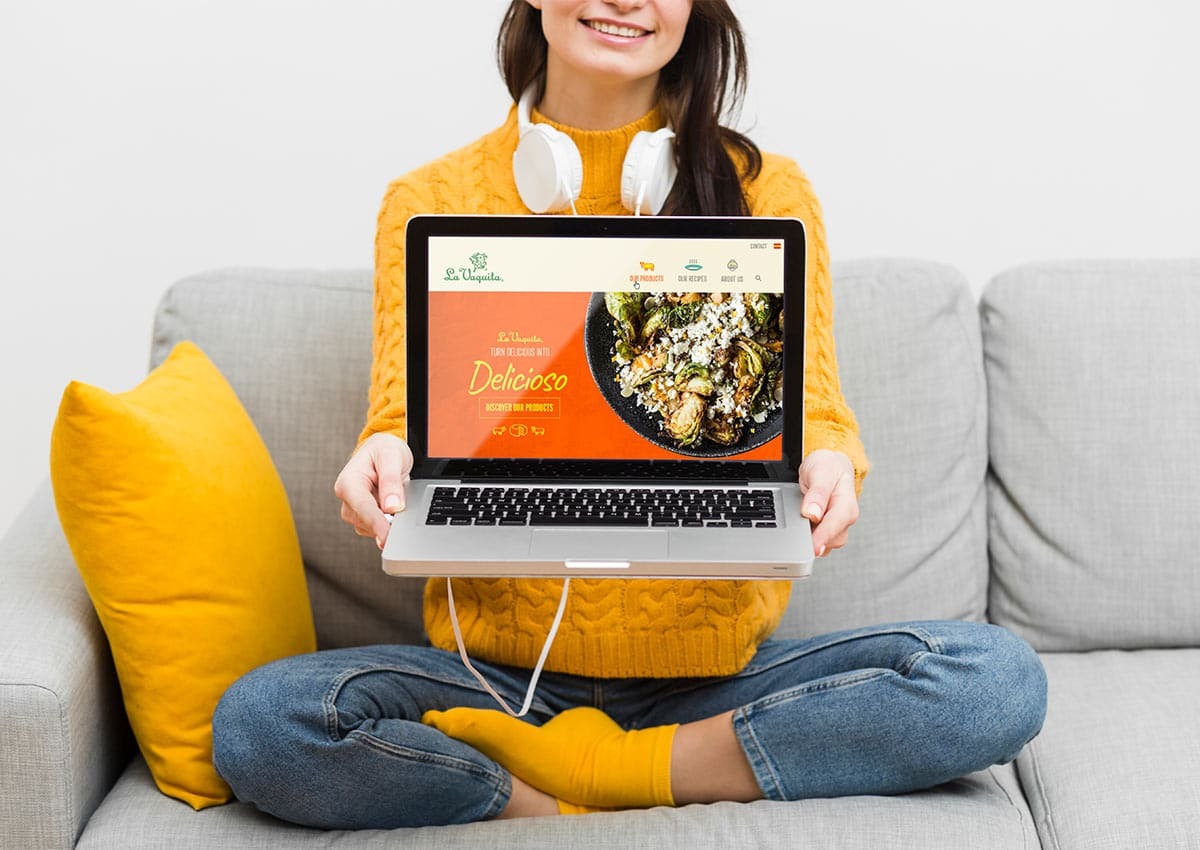
- Packaging implication: contemporary systems with subtle heritage cues, limited editions and packs that read clearly at thumbnail size. For brands selling direct, the online store matters too, as in our La Vaquita web design.
4. Cross-cultural adopters
- Who: non-Hispanic shoppers trying Hispanic-origin products, such as fresh cheeses, salsas or beverages.
- Language: English.
- What they expect: a clear answer to what the product is and how to use it.
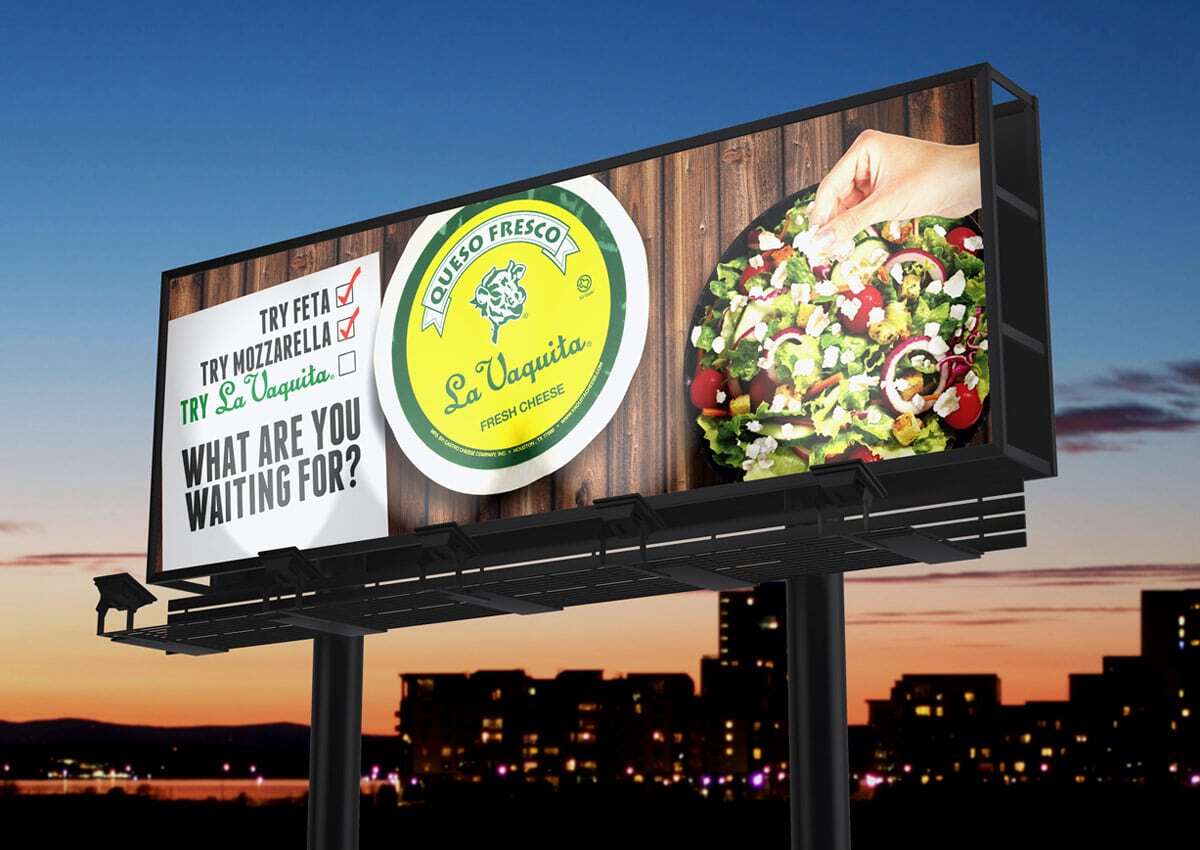
- Packaging implication: usage cues and appetite appeal, with heritage presented as credibility rather than exotic decoration. Our La Vaquita out-of-home campaign was built to reach this audience through brand activation.
From segmentation to Hispanic marketing strategy
A Hispanic marketing strategy turns the segments above into a small number of decisions that a design brief can act on:
- Define your starting point: a heritage Hispanic brand growing beyond its core, a mainstream U.S. brand building relevance, or a Latin American brand entering U.S. retail. Our brand positioning framework explains how we approach this step.
- Choose one or two priority segments. Trying to speak equally to all four usually produces a generic result.
- Set the role of each language: which one leads, and where the other adds meaning.
- Decide which brand assets to protect and which can evolve.
- Match the design to the channel: mainstream aisle, Hispanic set, club or online.
Our brand consulting work starts with these decisions. The project brief should then state the priority segments, category, retail channels, language needs and launch objective, so strategy and design share the same definition of the audience. Our packaging design brief guide explains what to include.
Hispanic consumer behavior by category
Category data shows where Hispanic households over-index, and where packaging decisions carry the most weight (NIQ, 2025):
- Personal and household care: hair care indexed at 138, bottled water at 132 and laundry care at 126 compared with the total U.S.
- Fresh food and cooking: fresh fruit grew 8.4% (index 115) and eggs grew 51.5% (index 122), pointing to scratch cooking.
- Channels: two-thirds of Hispanic spending happens in grocery and mass channels, and warehouse and club formats grew nearly 20% year over year.
- Online: 30% of Hispanic dollars were spent online in 2025, driven by Gen Z and Millennial households.
For packaging, that means designing for club multipacks and e-commerce thumbnails as carefully as for the hero pack on shelf. See how a clear product line architecture keeps every size and variant easy to find.
Sources: U.S. Census Bureau, National Hispanic Heritage Month: 2026 (Vintage 2025 estimates); Pew Research Center, Key facts about U.S. Latinos (2025); NIQ, Multicultural Momentum: How Hispanic Consumers Are Redefining Retail Growth (2025).
Heritage, nostalgia and cultural moments
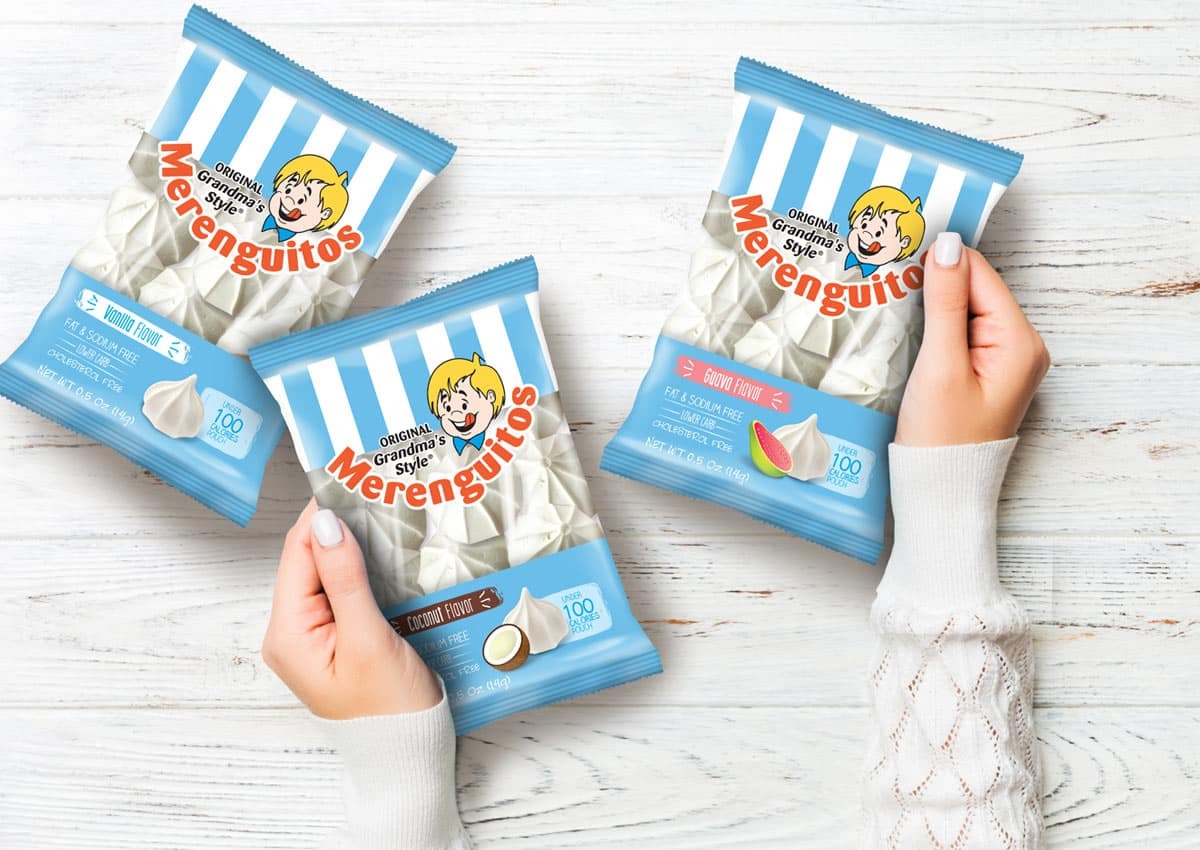
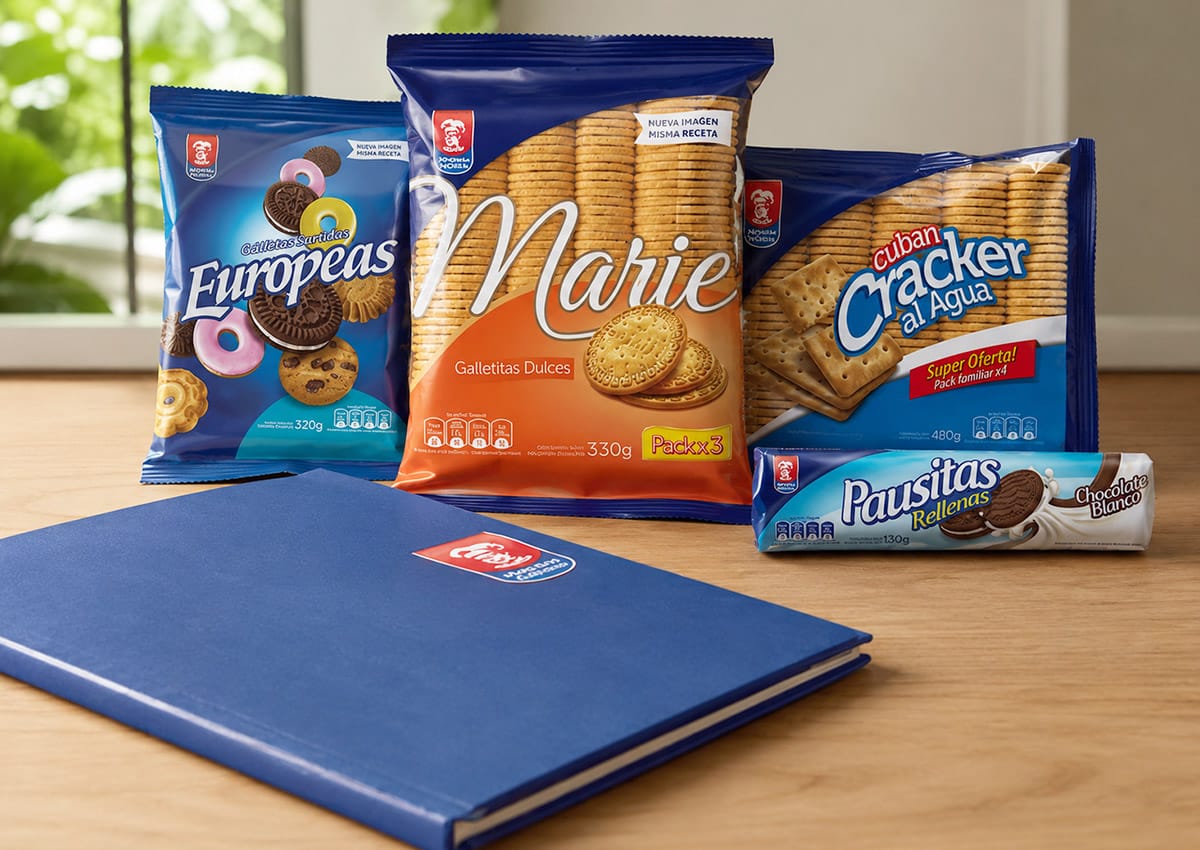
Familiar flavors, family recipes and long-standing brands carry real emotional weight, especially for shoppers who grew up with them. The strongest designs connect to that memory through specific references — a recipe, a type style from an old storefront, a character people recognize — rather than through generic "Latin" patterns or bright colors used as decoration. For Merenguitos, we modernized a nostalgic product while preserving its original charm, and for Wise Snacks, we refreshed a heritage brand for today's shoppers. The same balance between recognition and renewal guides our work adapting global brands to local markets, including the Mercado Libre identity across Latin America.
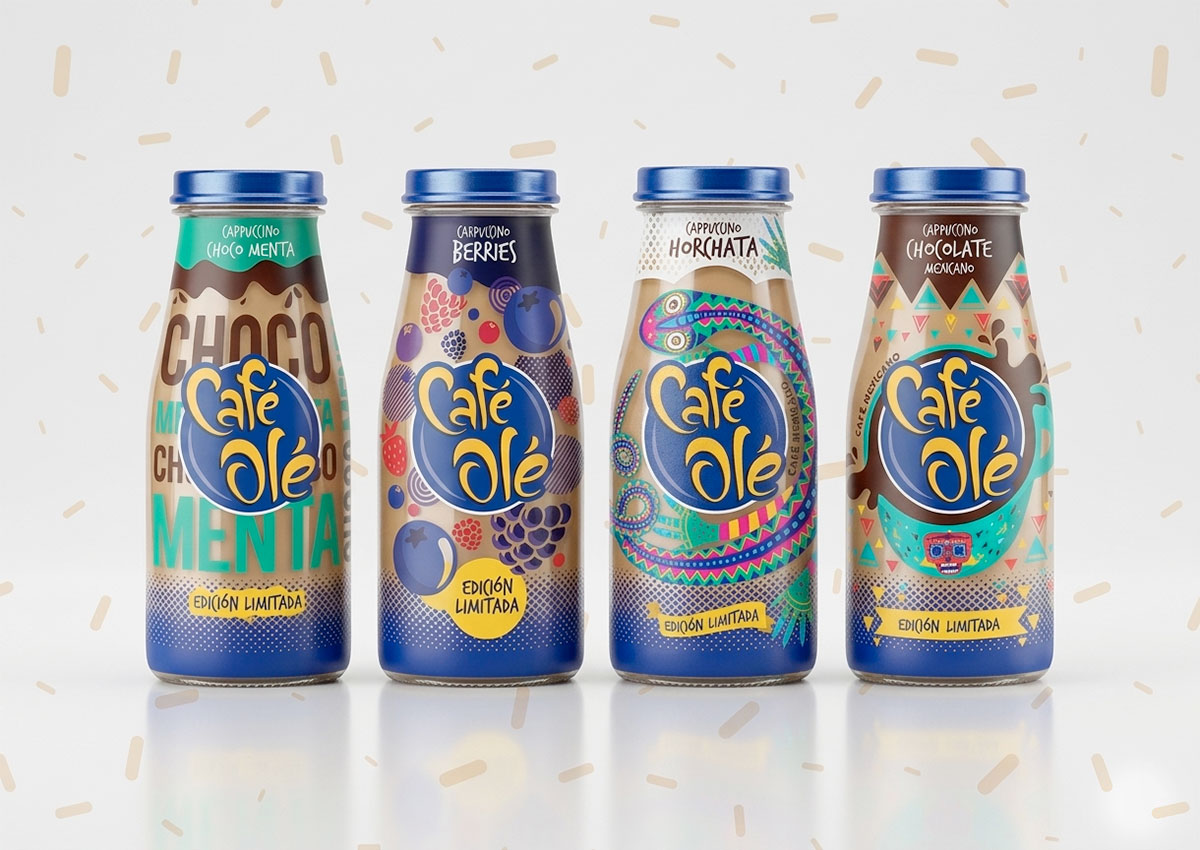
Cultural celebrations can also be a strong moment for Packvertising and limited editions, as long as the occasion matters to the brand's priority segments and their countries of origin. See our Café Olé special editions.
Common segmentation mistakes
- One generic "Latin" look for a market with many origins.
- Treating language as identity: many Hispanic shoppers prefer English and still identify strongly with their heritage.
- Mixing up nationality, language and legal status. They are different things and should never be used interchangeably in a segment definition.
- Segments without a decision: if a segment does not change the pack, the identity or the channel, it does not belong in the brief.
Planning a launch, redesign or line extension for U.S. Hispanic shoppers? Explore our packaging design and branding services, read about our packaging design experience for U.S. consumers, or talk with our team about your project.
Understanding the U.S. Hispanic Market Beyond Demographics
Demographic data establishes the scale and composition of the U.S. Hispanic market, but numbers alone cannot define an effective brand or packaging strategy. Two consumers may share a country of origin and still differ in language preference, generation, household role, shopping channel and relationship to heritage. One may look for a familiar brand from childhood, another may want a contemporary expression of cultural identity, and a third may simply want a product whose flavor, preparation and value are easy to understand.
The strategic starting point also changes according to the brand. A heritage Hispanic brand may want to expand beyond its core audience without weakening the recognition it has built over generations. A mainstream U.S. brand may want to become more relevant to Hispanic households while preserving its established identity. A Latin American company entering the United States may need to determine which parts of its home-market equity remain meaningful and which require clarification for U.S. shoppers. These are different business situations, even when all three are described as Hispanic-market projects.
Understanding the audience therefore requires questions that lead to action. Which origin groups matter most in the launch markets? Which household member selects the category and which person consumes it? Does English or Spanish carry more authority for the product name, benefit or preparation instructions? Is the brand competing in a mainstream aisle, a Hispanic set, a warehouse club or an online marketplace? Which familiar assets deserve protection, and which visual elements are limiting the brand’s ability to grow?
The answers shape the brand positioning strategy before design begins. Positioning defines the priority audience, the promise the brand can credibly make and the reason shoppers should choose it. A focused strategy may lead with heritage, convenience, flavor, family value, contemporary lifestyle or product expertise. The appropriate choice depends on the brand’s starting point and the audience behavior identified through segmentation.
Cultural experience is valuable when it improves the precision of these decisions. It should not be treated as a library of decorative references. A color, pattern, phrase or image may carry strong meaning for one community and little relevance for another. Even familiar symbols can become ineffective when they are separated from their regional or category context. Imaginity’s experience across the United States and Latin America provides a comparative perspective, while each project is defined around the specific consumers, categories and retail environments involved.
Turning Cultural Insight into Packaging Decisions
Cultural insight becomes commercially useful when it changes the package in a clear and deliberate way. The segmentation brief should identify which language leads, which benefits deserve priority, which product characteristics require explanation and which parts of the identity carry meaningful recognition. These decisions create the foundation for packaging design that is culturally relevant without becoming visually crowded or dependent on stereotypes.
Language hierarchy is one of the most visible decisions. Bilingual packaging does not require every message to appear twice with equal weight. That approach can overwhelm the front panel and weaken communication in both languages. A clearer system assigns a role to each language. English may introduce the category or functional benefit, while Spanish preserves the product name, flavor, recipe or cultural expression. In other situations, Spanish may lead because it carries stronger recognition with the priority audience. The hierarchy should reflect how consumers understand the product rather than apply a fixed formula to every brand.
Names and descriptors require the same degree of care. A Spanish name may possess strong heritage value but need an English explanation for shoppers unfamiliar with the product. A literal translation may be technically correct while sounding unnatural or losing the emotional meaning of the original. Thoughtful brand and product naming considers pronunciation, cultural context, trademark practicality and the role each term plays within the package hierarchy.
Visual identity decisions should also begin with specificity. Color, typography, illustration, photography and pattern can communicate origin, appetite appeal, energy, quality or tradition, but no single visual style represents the entire Hispanic market. A premium product may need a restrained and contemporary system. A family food brand may rely on warmth, familiarity and generous product imagery. A youth-oriented product may require a more expressive identity designed for social media and e-commerce. The visual identity must reflect the brand’s proposition and category while remaining credible to the people it addresses.
Packaging structure and portfolio organization are equally important. Hispanic households may encounter the same brand in single units, family sizes, multipacks, club formats and online listings. Every size and variant should remain recognizable while making flavor, format and value easy to compare. A clear product line architecture establishes consistent rules for logos, product names, flavors, color coding, claims and pack sizes so that the brand can grow without becoming fragmented.
The retail channel changes how those rules are applied. A package in a supermarket aisle competes at physical shelf distance, while an e-commerce image may appear as a small thumbnail beside dozens of alternatives. Club formats must communicate value and quantity without making the package feel purely promotional. In-store displays need to extend the same identity across a larger visual surface. Designing for the complete journey—from shelf to screen—keeps cultural relevance, product clarity and brand recognition consistent across channels.
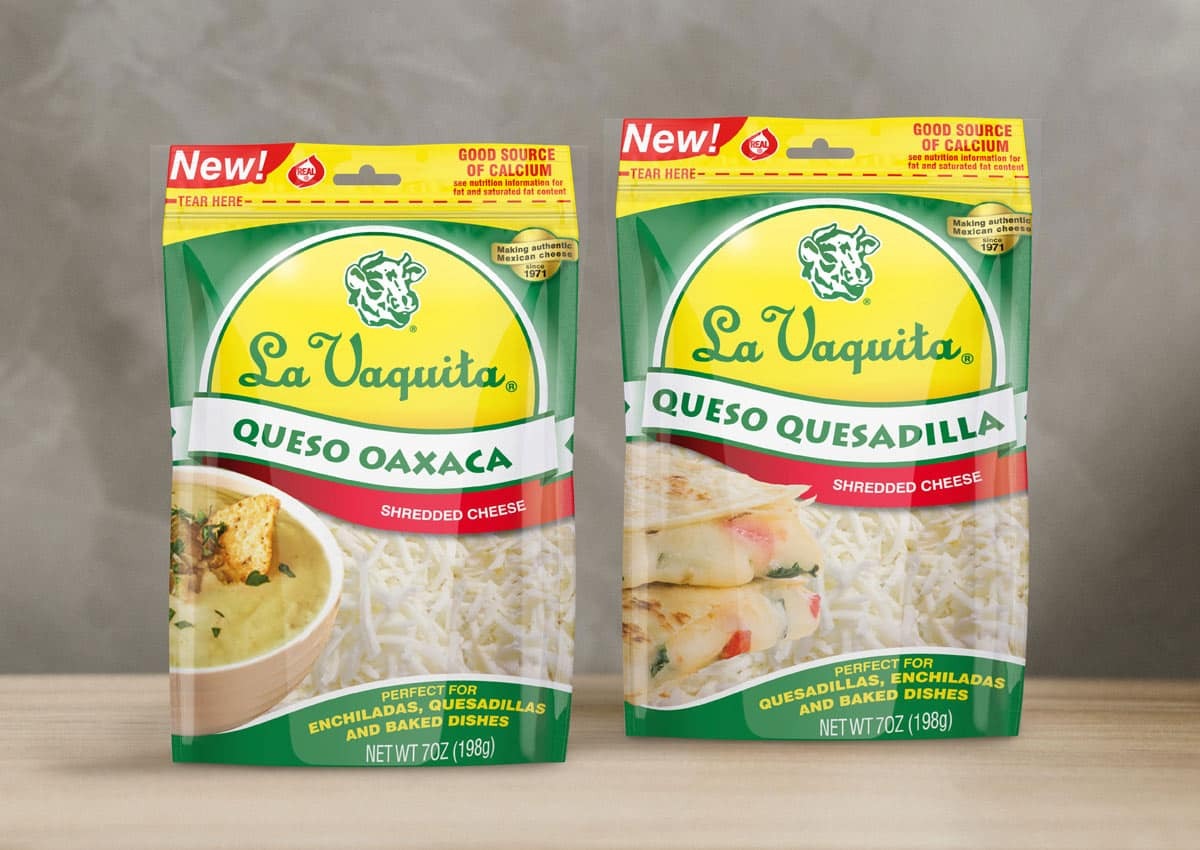
The La Vaquita packaging project demonstrates how these principles can work together. For its ready-to-use shredded Oaxaca and Quesadilla cheeses, the packaging needed to communicate a convenient new format while preserving the brand’s Hispanic heritage and familiar product identity. The resulting system balances cultural recognition with clear product communication for U.S. retail. Explore the La Vaquita U.S. packaging project.
Authenticity Through Specificity, Consistency and Respect
Authenticity is not a decorative style. It comes from making choices that are specific to the audience, category and brand. A regional recipe, a familiar product name, a character with established recognition or a type style connected to the brand’s history can carry more meaning than a collection of broadly “Latin” colors and motifs. The strongest cue is often not the most obvious one; it is the detail that shoppers recognize as accurate.
This specificity also requires brands to recognize the diversity of contemporary Hispanic identity. Heritage and modernity are not opposites. Consumers can value family traditions while preferring clean, premium design. They can speak English most of the time while responding emotionally to a Spanish product name. They can recognize a brand from another country while expecting it to meet the clarity, convenience and quality standards of the U.S. category. Authentic design makes room for these combinations instead of forcing consumers into a single cultural profile.
Avoiding stereotypes is only the first step. Brands must also avoid treating cultural relevance as a layer added after the main strategy has been completed. Audience insight should influence the proposition, language, product hierarchy and channel plan from the beginning. Designers, strategists, writers and client teams need a shared definition of the priority consumers and the decisions that distinguish them. When those decisions are clear, cultural expression becomes part of the brand system rather than an isolated campaign treatment.
Consistency across touchpoints reinforces that credibility. The identity shoppers encounter on the package should continue through retail displays, out-of-home communication, e-commerce imagery and digital content. Our work in in-store marketing and digital store marketing extends packaging systems into the environments where consumers discover, compare and choose products. A coherent experience makes the brand easier to recognize and prevents cultural messaging from feeling temporary or disconnected from the product.
At Imaginity, brand positioning, visual identity, naming, packaging and shopper communication are developed as connected parts of the same system. Our role is to translate audience distinctions into practical design choices while respecting the equity the brand already possesses. This process creates packaging that is culturally informed, easy to understand and competitive in the U.S. market without reducing Hispanic consumers to a single language, aesthetic or set of traditions.
The objective is not to create one universal “Hispanic look.” It is to build a brand and packaging system with enough strategic clarity to connect with the consumers who matter most. When segmentation identifies the meaningful differences, every subsequent decision—from positioning and language hierarchy to product architecture and retail execution—can become more focused, credible and useful.
Nostalgia and Brand Memory Among First-Generation Hispanic Consumers
Nostalgia can be a powerful influence for first-generation Hispanic consumers because products often carry memories of family life, familiar meals, neighborhood stores and celebrations in a country of origin. A brand name, character, color combination, package shape or traditional flavor can represent much more than recognition. It can recall a particular moment, place or family ritual and give the product an emotional meaning that a newly introduced brand may not possess.
For brands with established heritage, these memories are valuable forms of brand equity. The objective is not to reproduce an old package unchanged or make every design appear vintage. It is to identify which elements consumers genuinely recognize and determine how those assets can evolve without losing their meaning. A familiar logo may need clearer proportions, a mascot may need a more expressive role, or an established color system may need stronger hierarchy across a growing product line. Thoughtful branding protects recognition while giving the identity enough flexibility to compete in a contemporary U.S. category.
Nostalgia is most effective when it is specific. A recipe associated with one country, a type style connected to neighborhood storefronts, a product name used within a family or a character recognized from childhood carries more credibility than a generic collection of flags, traditional patterns or broadly “Latin” imagery. The reference should belong naturally to the brand and its audience. If consumers cannot understand why a visual element is present, it becomes decoration rather than a meaningful expression of heritage.
First-generation consumers may also interpret familiar assets differently from their U.S.-born children. A parent may recognize the product from personal experience, while a younger family member may see the same brand as a connection to family identity. Packaging can create a bridge between those perspectives by preserving the elements that carry memory while improving product clarity, appetite appeal and contemporary relevance. The result should feel familiar without appearing dated and modern without erasing the qualities that made the brand distinctive.
This balance is especially important when a heritage brand introduces a new flavor, format or convenience benefit. Shoppers need to recognize the master brand immediately while understanding what has changed. A new product should feel like a credible extension rather than an unrelated redesign. Logo placement, color, typography, character use, product photography and naming must work together to establish continuity across the line.
Imaginity’s work for Merenguitos demonstrates this approach. The project modernized a nostalgic product while preserving the personality and visual familiarity associated with the original brand. Explore the Merenguitos branding and packaging project. Our work for Wise Snacks applied a similar balance to a U.S. heritage brand, refreshing the identity for contemporary shoppers while retaining the recognition accumulated over time. Read the Wise Snacks heritage refresh case study.
A nostalgia-led strategy should begin with an audit of the brand’s recognizable assets. Teams should identify which elements consumers remember, which remain distinctive at shelf level and which have become inconsistent or difficult to use. The design process can then separate essential equity from visual habits that no longer contribute to recognition. This creates a clearer basis for deciding what to preserve, what to refine and what can change.
The objective is not nostalgia for its own sake. It is to use brand memory as a strategic asset. When familiar elements are treated with accuracy and restraint, packaging can recognize a consumer’s history while presenting the product as relevant to life in the United States today.
Hispanic Millennials, “Hispennials” and Bicultural Consumer Identity
The term “Hispennials” has been used to describe Hispanic millennials, generally referring to adults born from the early 1980s through the mid-1990s. It can be a useful shorthand in a planning conversation, but it should not be treated as a complete consumer segment. Hispanic millennials differ by country of origin, language preference, location, household structure, income, category behavior and connection to heritage. Generation is one segmentation variable, not a substitute for understanding the audience.
In 2026, Hispanic millennials are adults in their thirties and forties. Many are parents, household decision-makers, business owners and experienced consumers responsible for purchases across food, beverages, personal care, home care and family-oriented categories. Their relationship to culture may combine traditions learned at home with the expectations of contemporary U.S. retail. They may value familiar recipes, flavors and brands while expecting the same design quality, convenience and digital accessibility offered by category leaders.
Language use within this audience is often fluid. English may lead in professional, retail and digital contexts, while Spanish carries emotional meaning in family conversations, product names, flavors, humor or cultural references. This does not mean that every package should give both languages equal prominence. It means the brand should decide where each language adds value. A clear bilingual hierarchy can preserve cultural meaning without crowding the package or forcing consumers to read the same message twice.
Hispanic millennials may also move between cultural contexts without viewing those identities as contradictory. A consumer can choose a traditional cheese for a family recipe, a premium beverage for a social occasion and a contemporary personal-care product influenced by digital culture. Packaging should therefore avoid assuming that heritage always requires a traditional visual style. Modern typography, restrained color, premium finishes and clear information can communicate cultural relevance when they are connected to the product and the audience.
Digital shopping adds another consideration. Hispanic millennials compare products through retailer websites, marketplaces, delivery applications and social platforms as well as physical stores. The package must remain recognizable at shelf distance and readable as a small image. Product names, flavors, benefits and brand assets need enough hierarchy to work in both environments. Our approach to packaging from shelf to screen addresses this relationship between physical retail and digital discovery.
A design system also needs to support the way products are shared across generations. One household may include consumers with different language preferences and levels of familiarity with the category. A parent may recognize a product immediately, while a child or partner may need a clear explanation of what it is, how it tastes or how it is used. Effective packaging design can preserve the credibility of the product’s origin while making it accessible to people encountering it for the first time.
For brands, this audience creates an opportunity to connect heritage with contemporary relevance. That connection should come from accurate product stories, recognizable brand assets, natural language and design that performs across retail channels. It should not depend on exaggerated cultural signals or assumptions that every Hispanic millennial shares the same aesthetic preferences.
Segmentation remains essential. A useful brief should distinguish between a U.S.-born bilingual parent, a recent immigrant building a household, a culturally connected English-dominant shopper and a consumer discovering a Hispanic-origin product through mainstream retail. Those audiences may belong to the same generation, but the packaging decisions that influence them can be very different. Our guide to Hispanic branding and packaging design in the U.S. explores how positioning, language and visual identity can respond to those distinctions.
Cultural Celebrations as a Packvertising Opportunity
Cultural celebrations can create meaningful moments for brands, but the U.S. Hispanic market does not follow one universal calendar. Holidays and traditions vary by country of origin, region, generation and family practice. Día de los Muertos may be relevant to a Mexican audience, while other communities maintain different national, religious or seasonal celebrations. A successful program begins by identifying which occasion matters to the brand’s priority consumers and whether the product has a credible role in it.
Packvertising combines packaging and advertising by using the pack itself as a communication medium. A package can introduce a seasonal story, recognize a cultural occasion, present collectible artwork, feature a limited-edition flavor or connect shoppers to a broader campaign. Because the product enters homes and remains visible after purchase, packaging can extend the message beyond a temporary advertisement or retail display.
The strongest Packvertising ideas grow from a real connection between the celebration and the product. A food brand may participate through a recipe, ingredient, serving ritual or family occasion. A beverage may connect to music, social gatherings or regional traditions. A personal-care brand may recognize forms of self-expression associated with a particular community. The design should make that relationship clear rather than applying festive imagery to a product with no meaningful connection to the occasion.
Cultural accuracy is central to the process. Colors, symbols, language and illustrative styles should be researched within the specific tradition instead of assembled from general assumptions about Hispanic culture. The same symbol can carry different meanings across countries, and a phrase that sounds natural in one market may feel unfamiliar in another. Collaboration with people who understand the relevant cultural context allows the program to communicate with confidence and respect.
A cultural edition must still perform as packaging. Shoppers need to recognize the brand, understand the product and distinguish the flavor or variant. Seasonal artwork should not overwhelm the master identity or make the package difficult to navigate. Clear rules for logo placement, product naming, color coding and variant hierarchy allow the brand to introduce expressive creative work without losing recognition across the portfolio.
Limited editions can be particularly effective when the occasion has a clear beginning and end. They create space for more expressive storytelling without permanently changing the core package. They can also give retailers a defined promotional window and provide content for in-store displays, e-commerce, social media and public relations. Explore Imaginity’s approach to special and limited-edition packaging.
For Café Olé, special-edition packaging created a platform for visual storytelling across a recognizable product range. The project demonstrates how a temporary design system can bring variety and energy to a brand while retaining the assets shoppers need to find it. See the Café Olé special-edition packaging project.
The program should extend consistently beyond the package. Retail displays, out-of-home communication, digital store images and social content can reinforce the same cultural idea while adapting it to each channel. Imaginity’s brand activation work connects packaging with the broader environments in which consumers discover and experience a brand.
The objective is not to participate in every cultural celebration. It is to select the moments that are relevant to the audience, credible for the product and compatible with the brand’s identity. When those conditions are present, Packvertising can make the package part of a cultural occasion while strengthening recognition, storytelling and continuity across the consumer experience.
From Hispanic Market Segmentation to Brand and Packaging Strategy
Understanding the diversity of the U.S. Hispanic market is the starting point. The next step is turning that understanding into focused decisions about audience, positioning, language, visual identity, product architecture and retail execution. A strong brief identifies which consumers matter most, which cultural references the brand can use credibly and how the package should perform across languages, generations and shopping channels.
Imaginity works with food, beverage, personal care and consumer brands on brand positioning, bilingual identity and packaging design for the United States and Latin America. With offices in Miami, Mexico City and Buenos Aires, our team brings experience across markets while keeping every project grounded in the specific audience, category and commercial objective.
Whether your company is expanding an established Hispanic brand, introducing a Latin American product to U.S. retail or building greater relevance with Hispanic households, we can develop a brand and packaging system that protects recognition, communicates clearly and competes confidently from shelf to screen.
Planning a U.S. launch, packaging redesign or product-line expansion? Explore our Hispanic-market capabilities or tell us about the audience, category and retail opportunity behind your project.
Discuss Your Project Explore Hispanic Branding & Packaging