
Branding and Packaging for CPG Brands: Building Systems That Scale

In today’s competitive consumer goods landscape, branding and packaging are no longer separate disciplines—they are deeply interconnected components of a single system. For CPG brands, packaging is often the most visible expression of the brand, while branding defines the meaning and consistency behind every touchpoint.
As retail environments become more complex and e-commerce continues to grow, brands must operate across multiple channels simultaneously. This requires cohesive systems that ensure consistency, clarity, and performance whether the product is seen on shelf, in a digital grid, or within a marketing campaign.
Effective branding and packaging for CPG brands goes beyond aesthetics. It is about building scalable systems that support growth, improve recognition, and drive conversion across both physical and digital environments. This is where strategic design becomes a true business tool.
CPG Brand Architecture: Organizing Products, Flavors and Formats
A CPG brand needs a clear structure as its range expands. Shoppers should be able to identify the brand, understand the product and distinguish between flavors, formats and tiers. Before designing individual packs, define which elements remain consistent across the portfolio and which change for each product.
A practical product line architecture establishes rules for brand placement, product names, color coding and variant information. These rules give new SKUs a place within the existing range. They also make it easier to distinguish a flavor extension from a different product category or a premium tier.
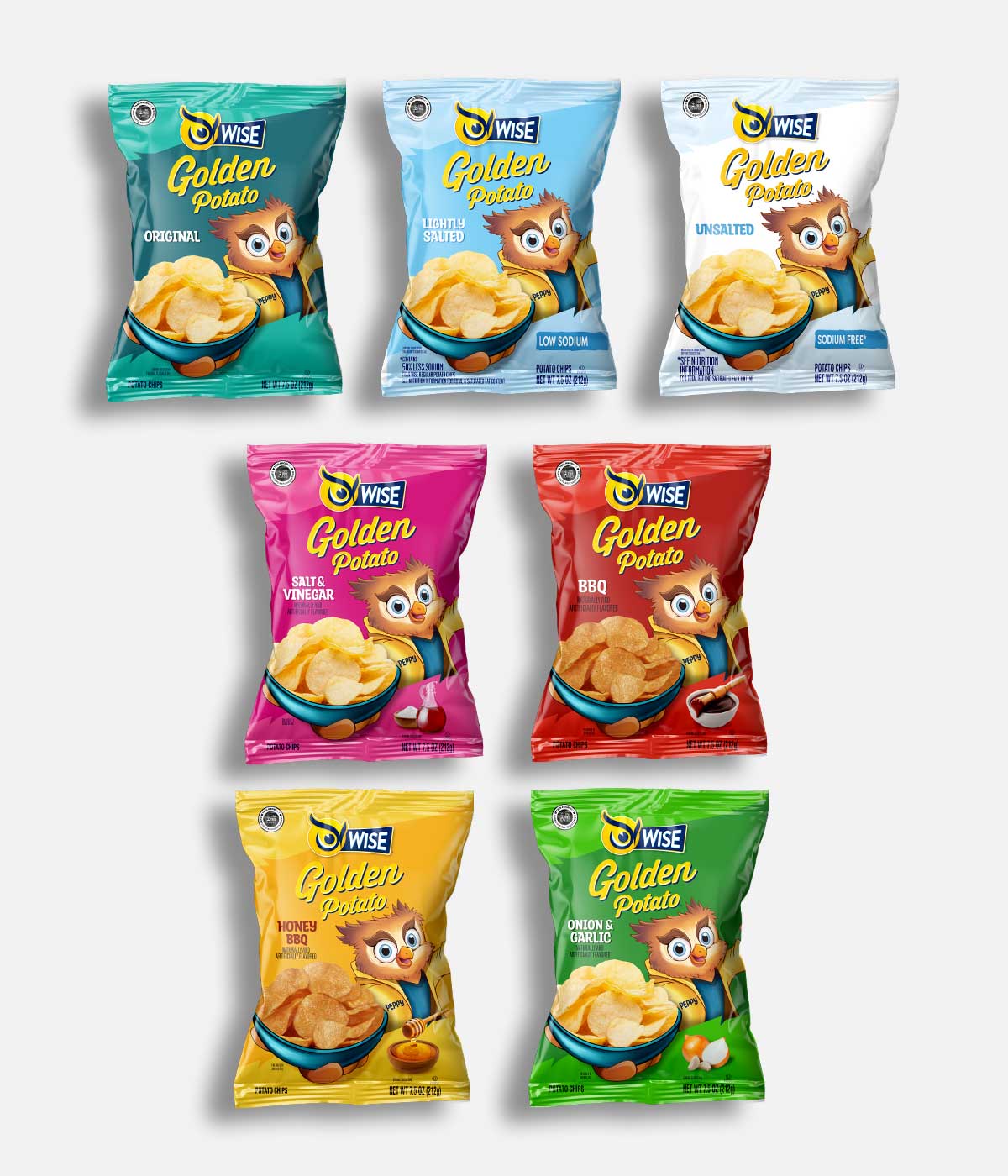
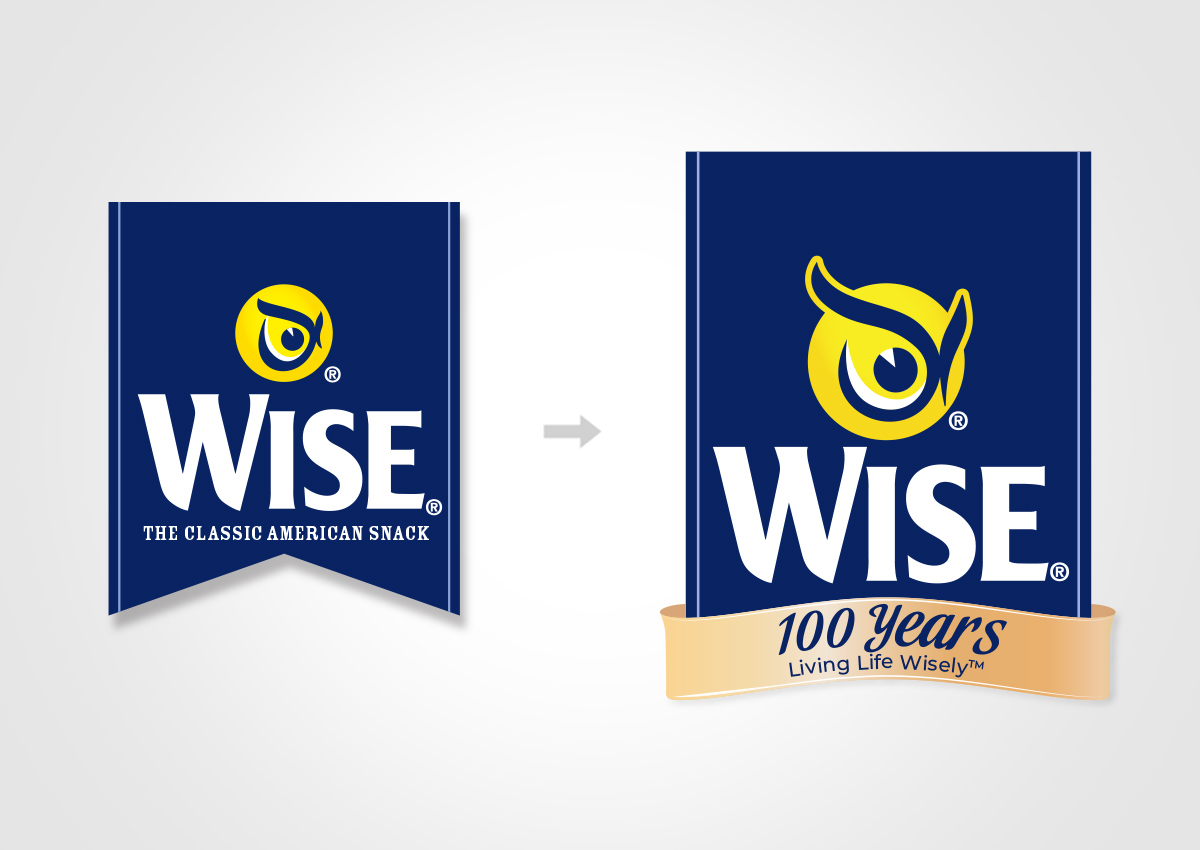
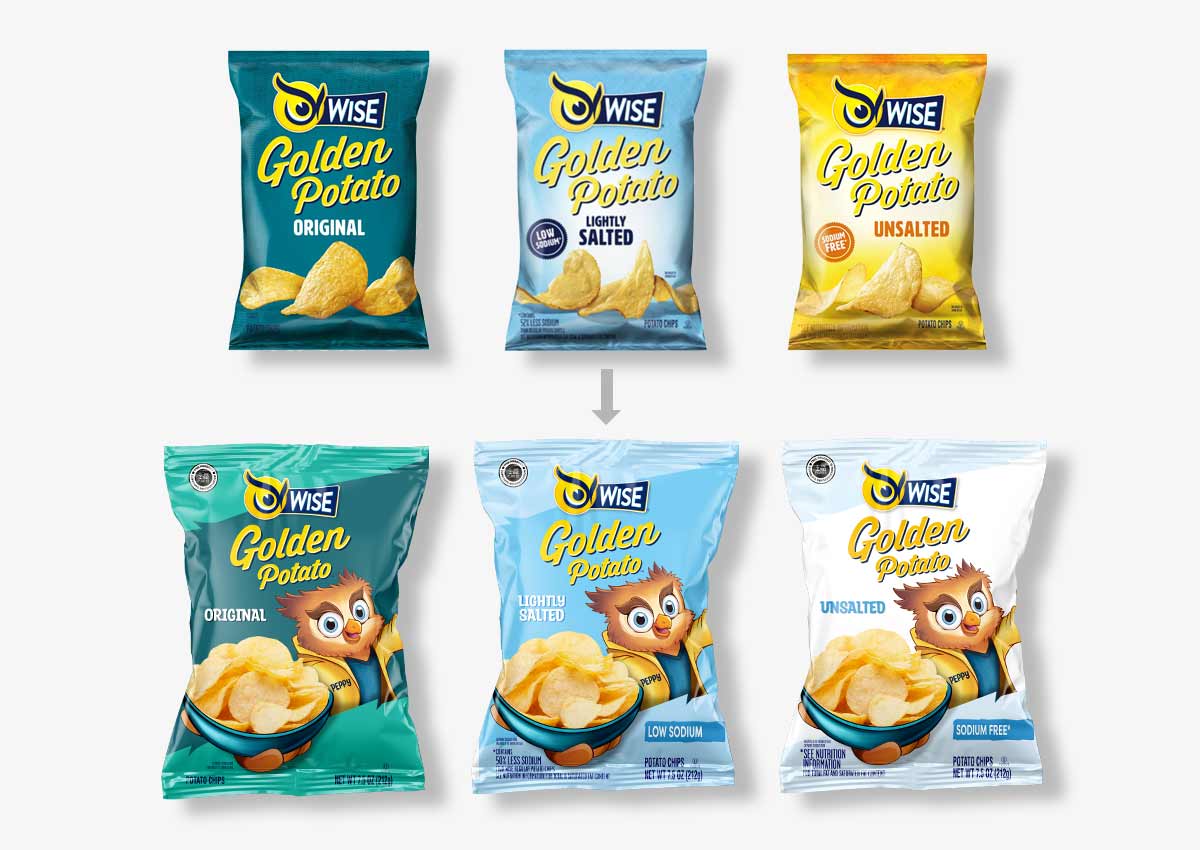
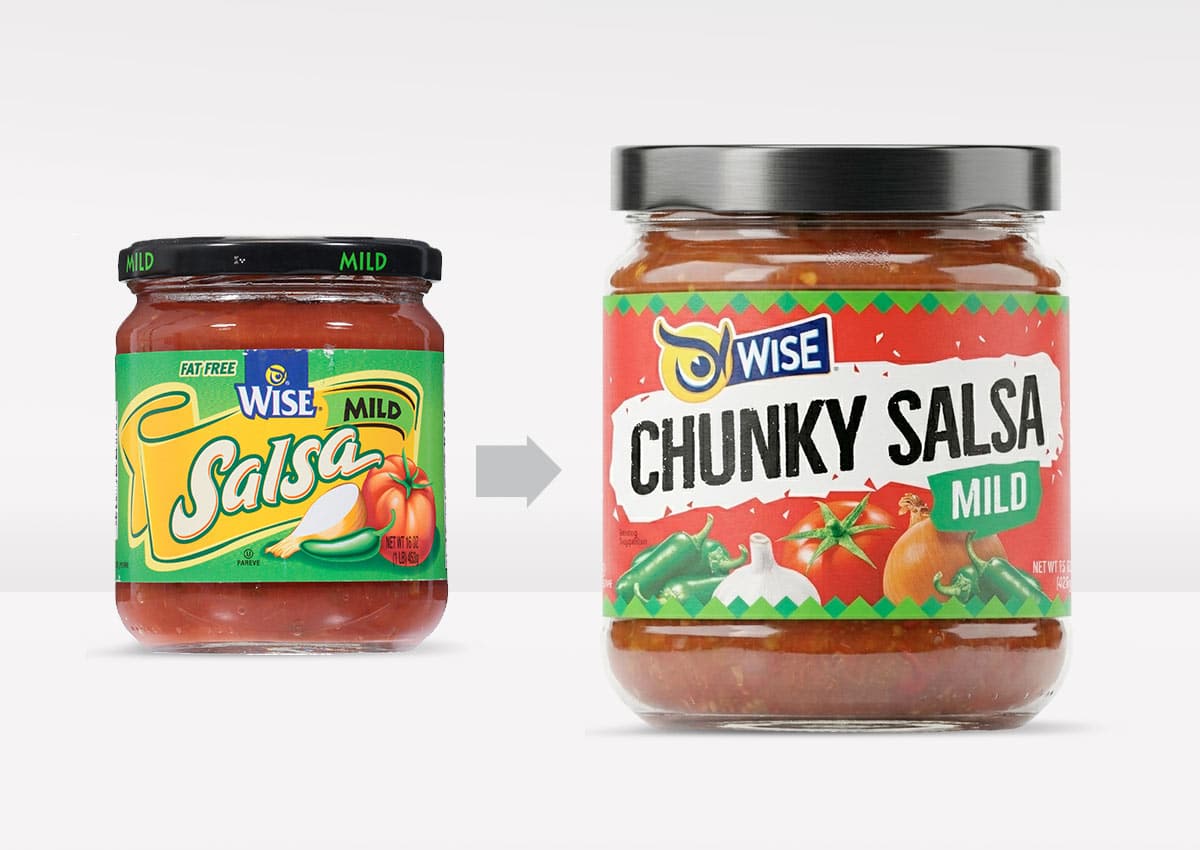
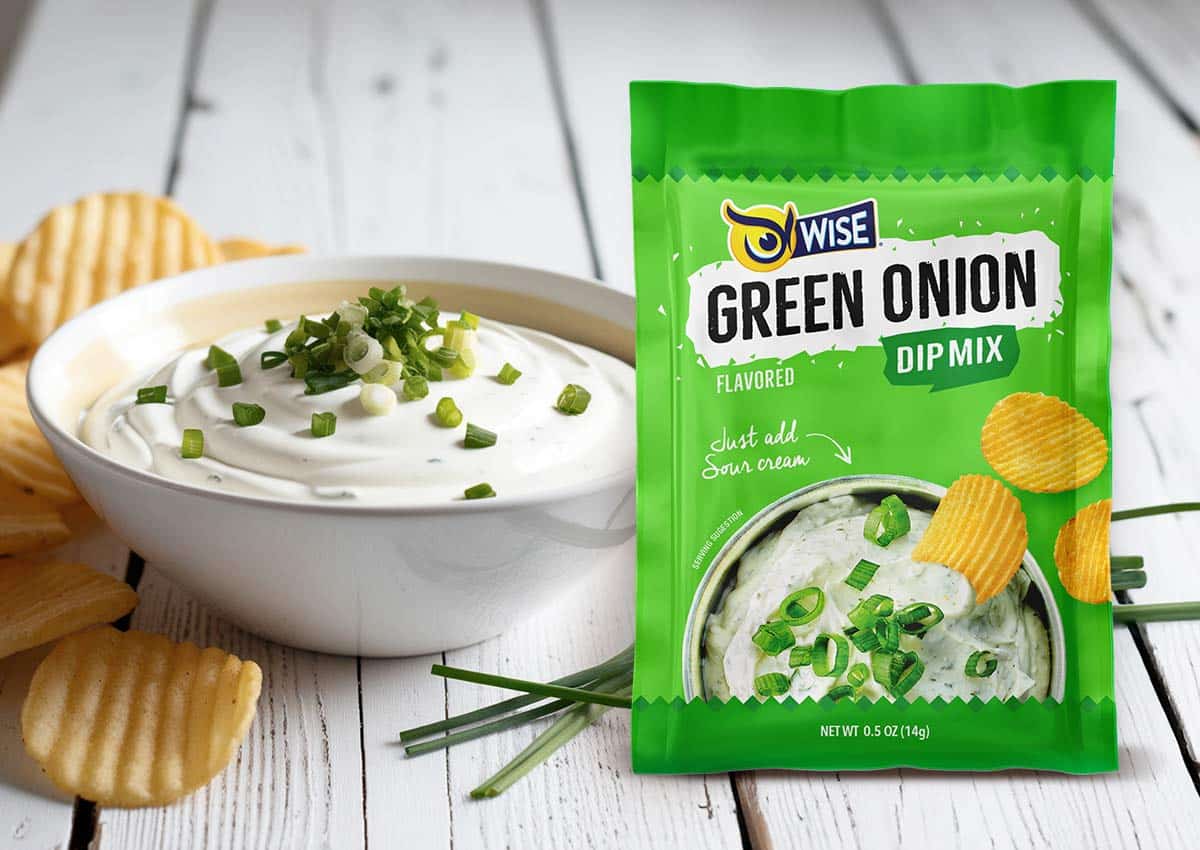
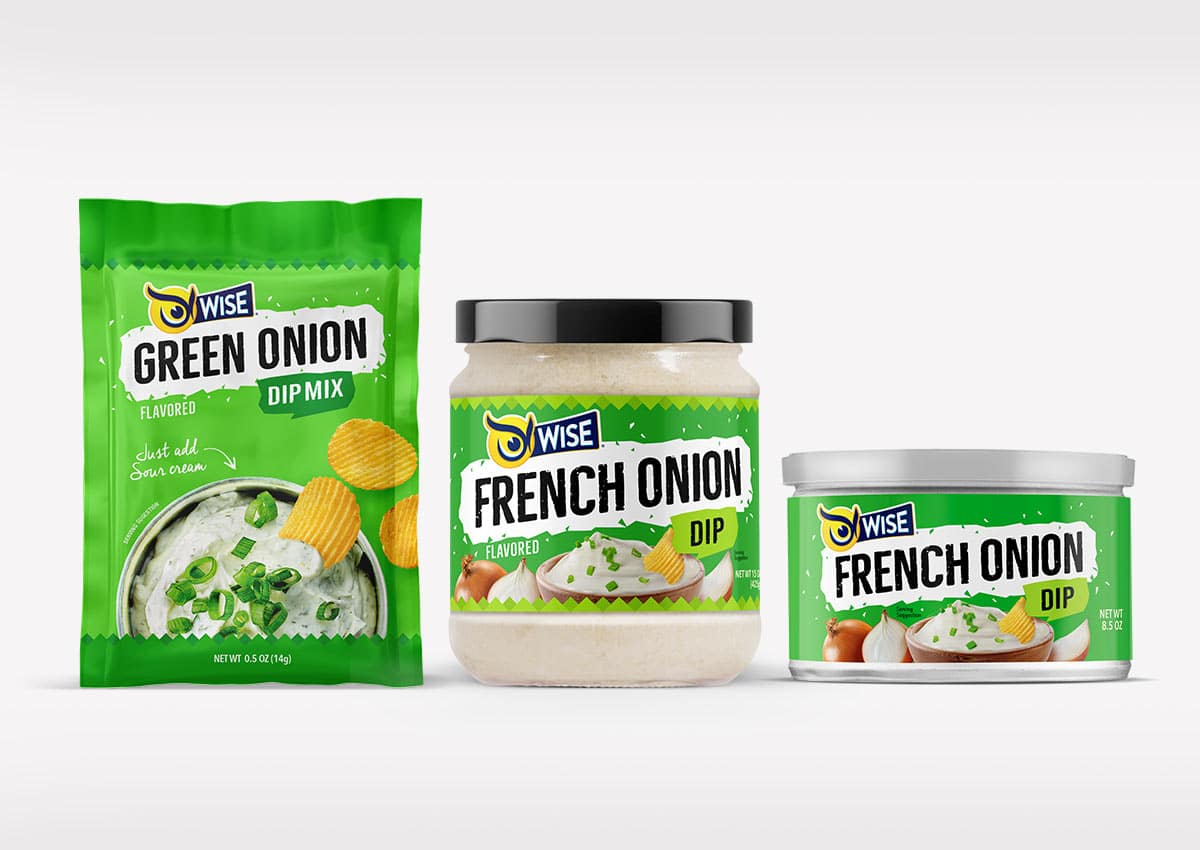
The Wise Snacks packaging project illustrates this relationship between consistency and differentiation: a shared brand identity connects the packs, while color and product information distinguish the variants.
The Role of Packaging in Brand Building
Packaging plays a central role in brand building because it is one of the most frequent and immediate points of contact with consumers. In many cases, it is the first impression—and often the deciding factor—in the purchase decision.
Unlike other brand assets, packaging operates in real-world conditions. It must capture attention on crowded shelves, communicate quickly, and compete directly with other products. This makes it a powerful tool for reinforcing brand identity and influencing perception.
In e-commerce environments, packaging takes on an additional role. It becomes part of the digital experience, appearing in product listings and influencing click-through and conversion. This dual function makes packaging a critical component of modern brand systems, connecting physical and digital touchpoints.
Learn more about how packaging performs online in our guide to digital shelf packaging design.
Creating Consistency Across Touchpoints
Consistency is one of the most important drivers of brand recognition and trust. When consumers encounter a brand across different environments—retail, e-commerce, advertising, social media—they expect a coherent and familiar experience.
For CPG brands, this requires a well-defined system that governs how identity elements are applied across packaging and communication. This includes typography, color, imagery, layout principles, and tone of voice.
Without this consistency, brands risk fragmenting their presence and weakening their impact. With it, they can build strong mental associations, making it easier for consumers to recognize and choose their products. Over time, this consistency translates into stronger brand equity and loyalty.
Building a CPG Packaging System That Supports New Product Launches
A scalable packaging system needs more than a finished design for one product. It needs documented rules that another designer, production team or market team can apply. Define the logo position, typography, color specifications, image treatment, naming conventions and information hierarchy before extending the design across the range.
Start with a packaging design brief that identifies the current portfolio, planned extensions, pack formats, sales channels and production constraints. Test the proposed system on contrasting products: a long flavor name, a smaller pack and a variant with additional required information. These examples reveal where the rules need flexibility.
For a launch or redesign, explore Imaginity’s CPG packaging design services. To discuss an existing range or a new product brief, contact Imaginity.
Packaging Hierarchy for Retail Shelves and Digital Product Images
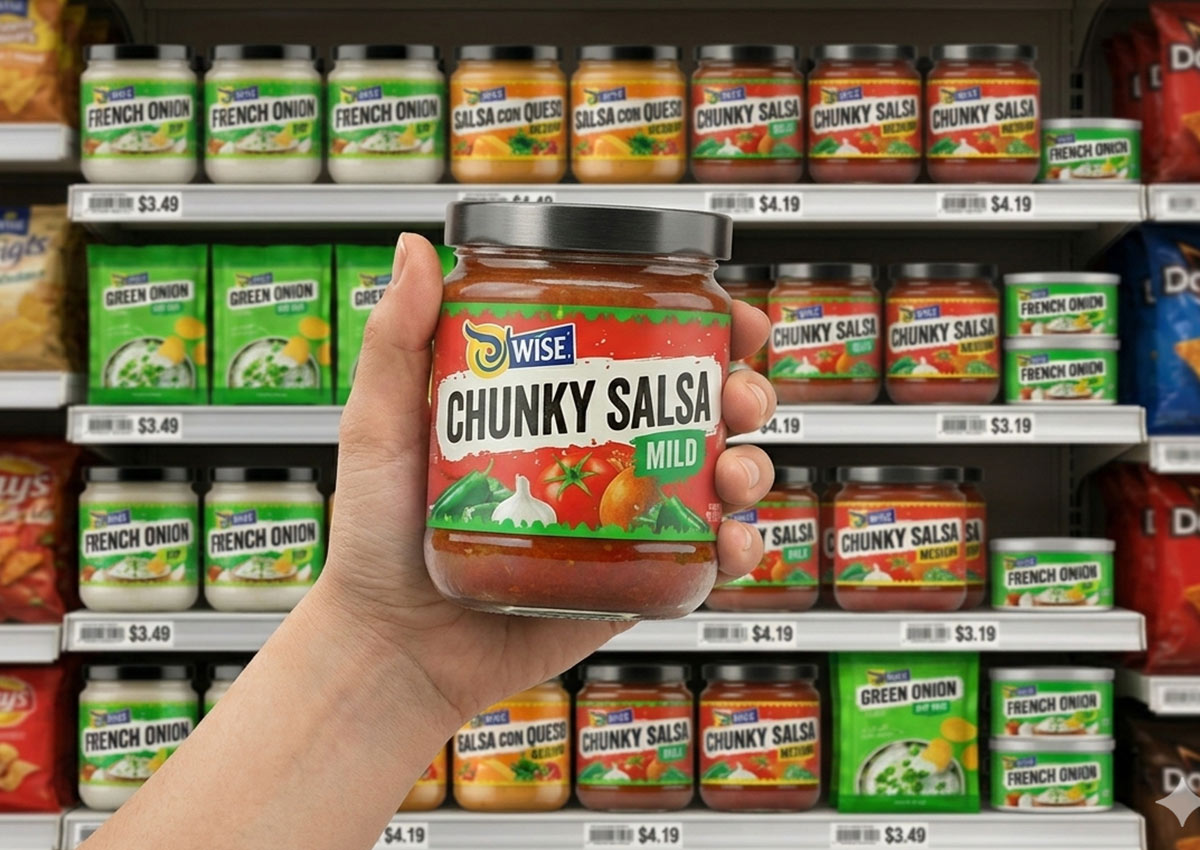
CPG packaging must communicate at different viewing distances and image sizes. On a retail shelf, shoppers compare competing products and neighboring variants. Online, the same pack may appear as a small thumbnail. A clear hierarchy gives priority to the brand, product type and variant before introducing supporting claims and details.
Evaluate each design at its actual printed size and at the thumbnail size used by the intended retailer. Check whether the product remains identifiable, whether similar variants are easy to distinguish and whether essential information depends on text that becomes too small to read. These checks connect digital shelf packaging design with decisions made for the physical pack.
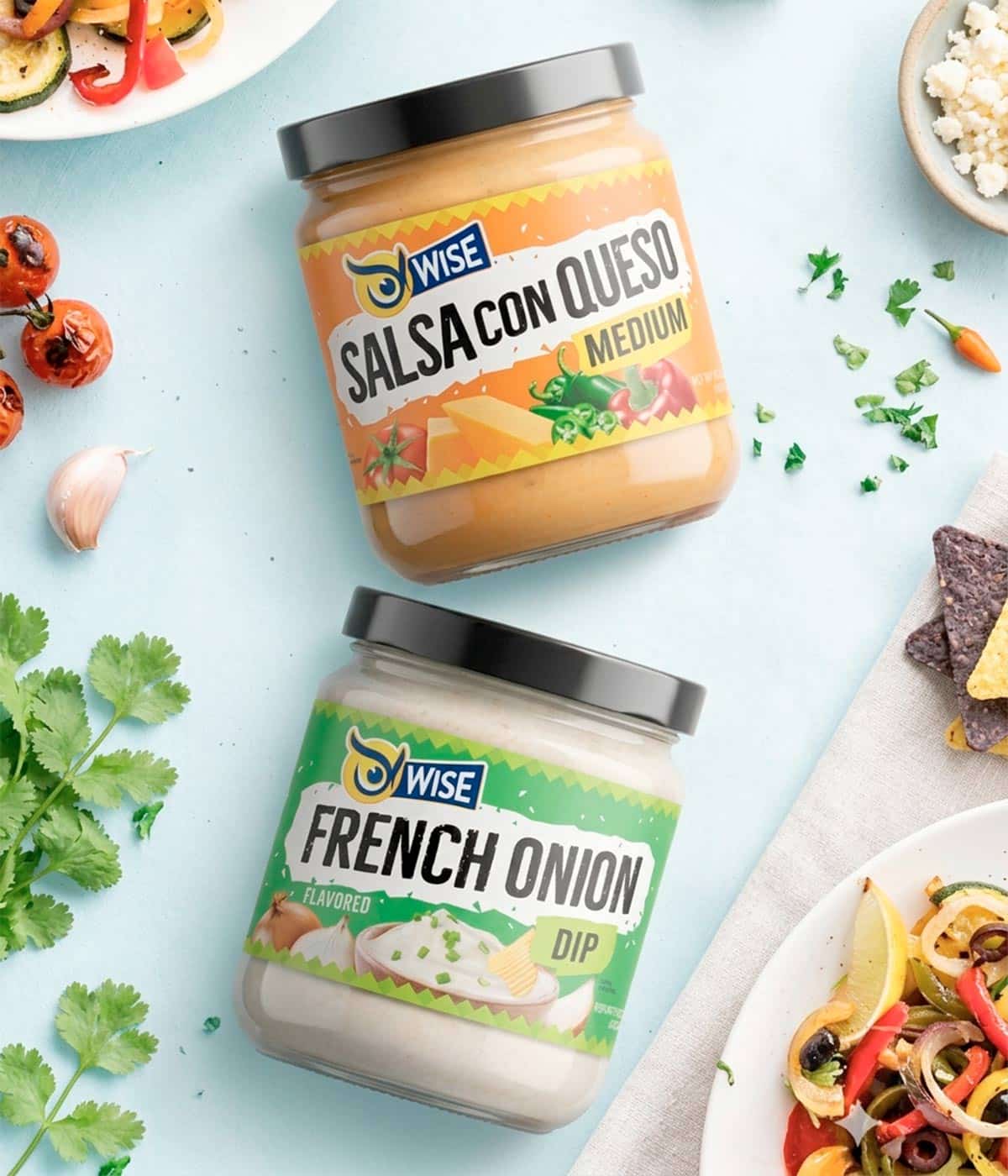
In the Wise dips packaging redesign, brand placement, flavor identification and food imagery work within a shared label system. The project provides a concrete example of organizing information while preserving recognition across related products.
The Value of a Packaging Design Agency
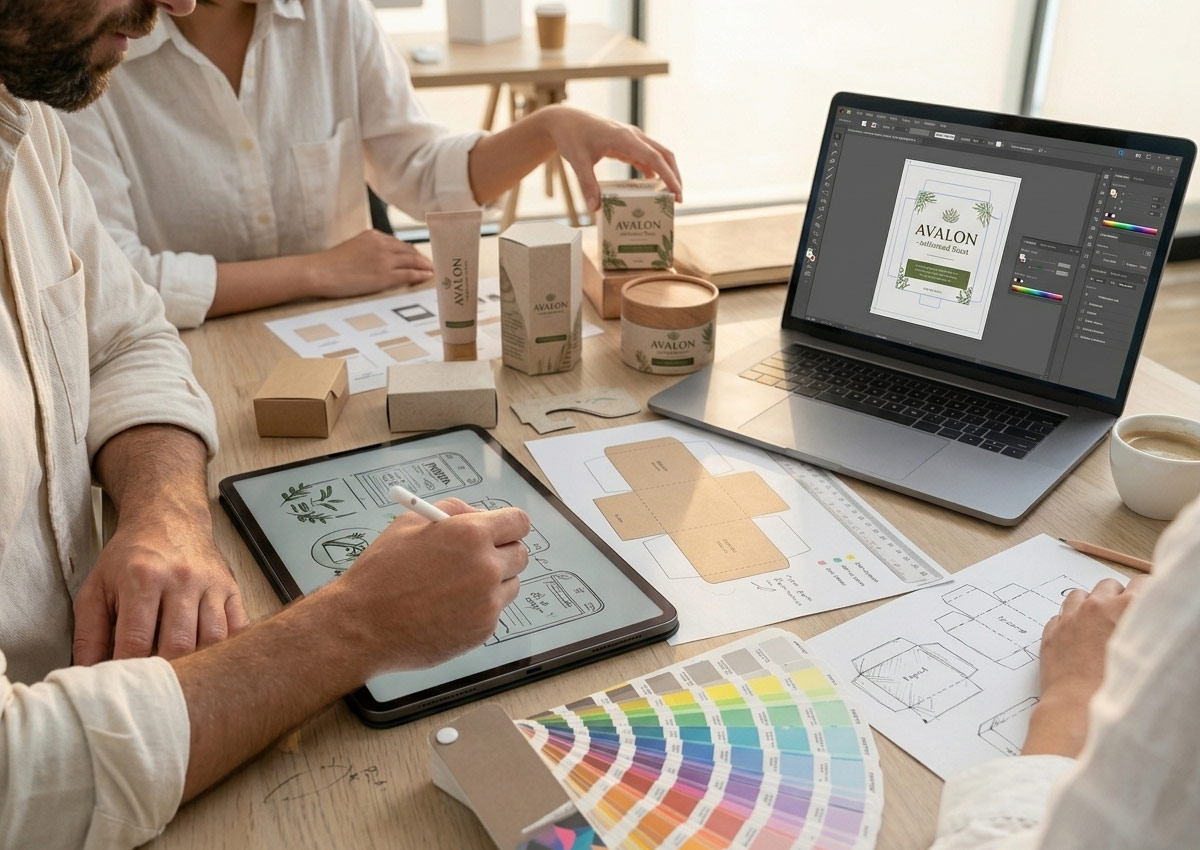
As branding and packaging become more complex, many companies rely on a specialized packaging design agency to develop systems that integrate strategy, creativity, and performance. These partners bring expertise in category dynamics, consumer behavior, and multi-channel environments.
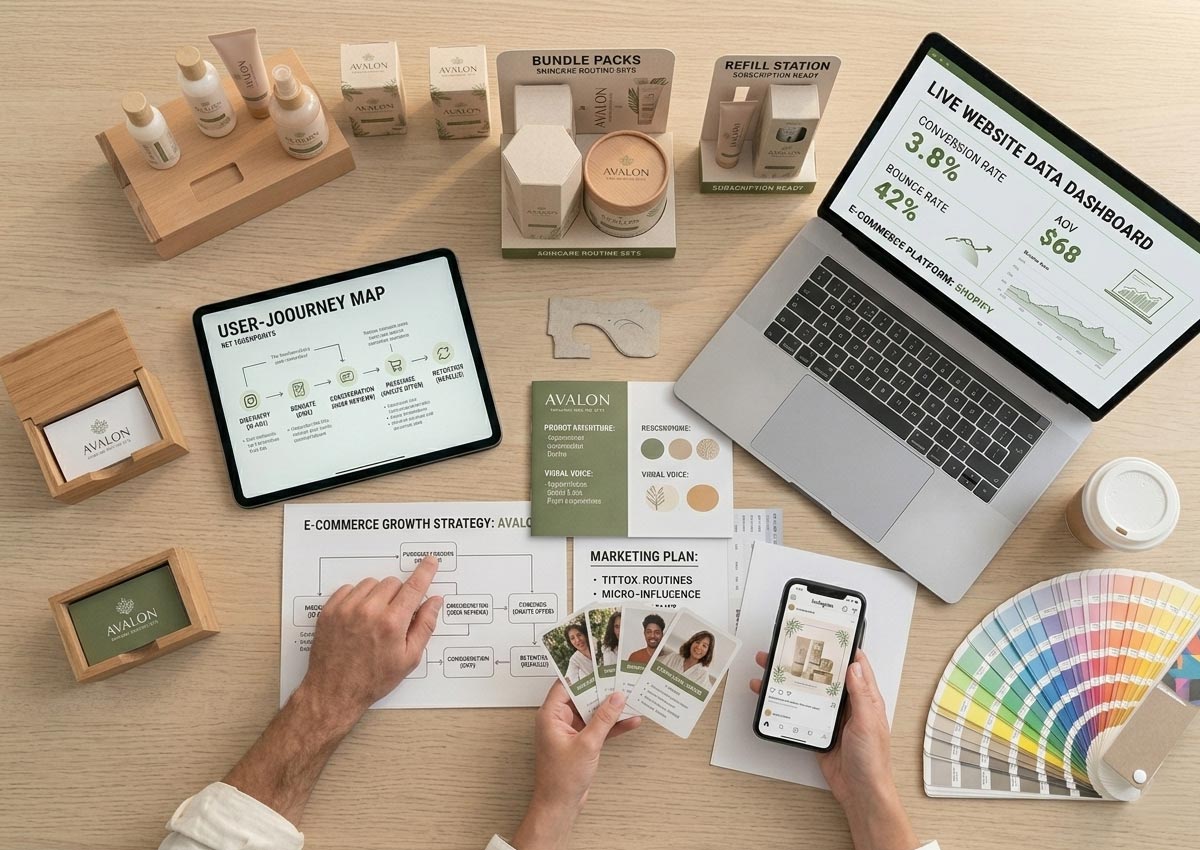
A strong agency approach goes beyond visual design. It includes defining brand positioning, creating scalable identity systems, and developing packaging that performs across both retail and e-commerce. This ensures that design decisions are aligned with business objectives.
For CPG brands in the US market, this often means working with teams that understand both US retail packaging design and digital shelf requirements. This dual expertise is essential to build systems that deliver consistent results across channels.
Conclusion
Branding and packaging should not be developed in isolation. They are part of a single system that defines how a brand is perceived, experienced, and remembered across all touchpoints.
In the CPG industry, where competition is intense and attention is limited, this integration is essential. Brands that align identity, packaging, and communication create stronger, more consistent experiences that resonate with consumers.
Ultimately, the future of branding and packaging for CPG brands lies in building systems that scale. By combining strategic clarity with flexible design frameworks, brands can grow, adapt, and perform effectively in an increasingly complex market.
Build a Brand System That Scales Across Retail and E-commerce:
Imaginity develops integrated branding and packaging systems for CPG brands, with consistent identity, clear product hierarchy and room for new products.
Get a Proposal & Recommended Approach
No commitment. Clear scope, timeline, and next steps.