
Strategic thinking to build strong, differentiated brands
Imaginity helps brands define where they can win, why consumers should care, and how to express that strategy across branding, packaging design, shopper marketing, and communication.
Build a Brand Strategy That Is Clear, Differentiated, and Scalable
Brands compete beyond product features. They compete on the human need they fulfill, the value they deliver, and the clarity with which they express that value across every touchpoint.
At Imaginity, we use a structured, human-centered approach to define the strategic foundation of a brand—aligning consumer motivations, brand value, positioning, packaging design, communication, and brand experience.
Our methodology helps brands identify where they can win, why consumers should care, and how the brand should show up consistently across markets, categories, and channels.
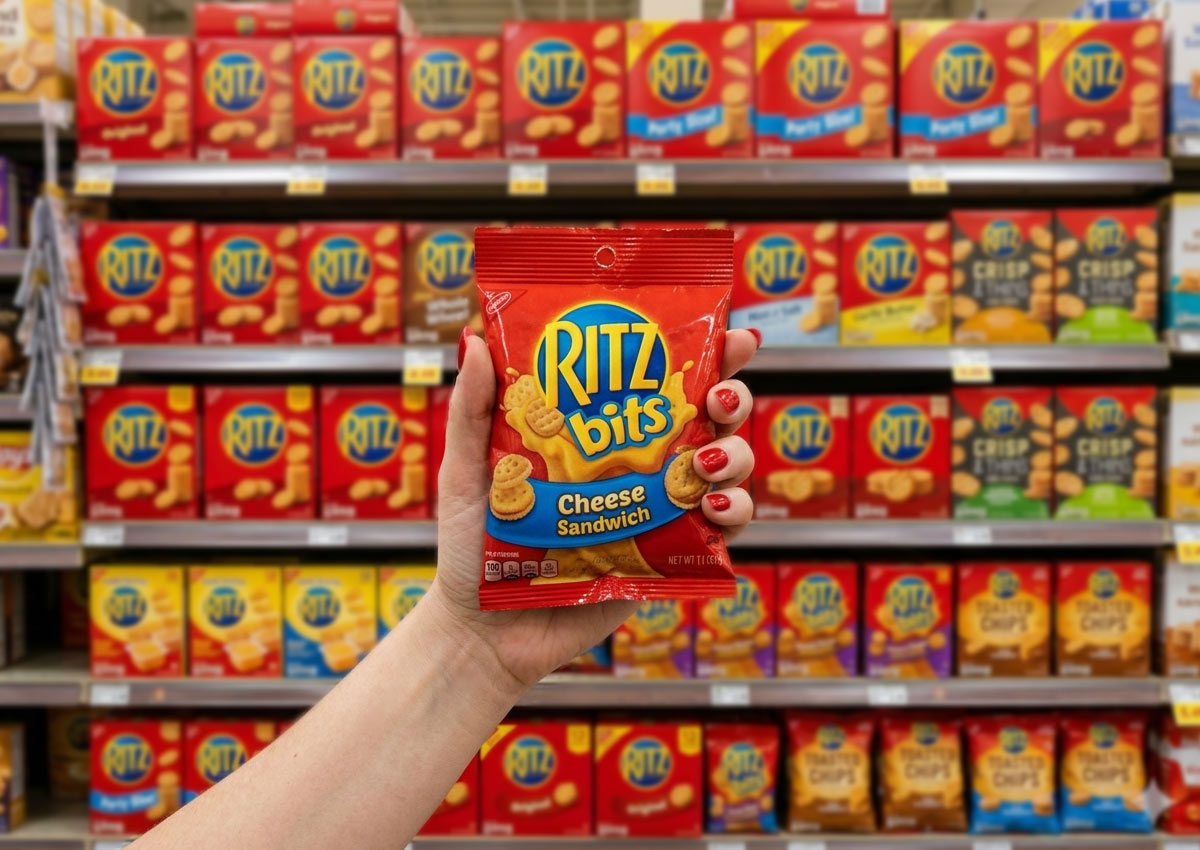
The United States is one of the most competitive consumer markets in the world, where thousands of products compete for attention in every category. Consumers are exposed to a high volume of choices and make decisions quickly, often in just a few seconds. In this context, packaging becomes a critical driver of visibility and differentiation. Retail environments such as Walmart, Target, and regional grocery chains demand packaging that communicates instantly. Products must be recognized, understood, and evaluated at a glance.
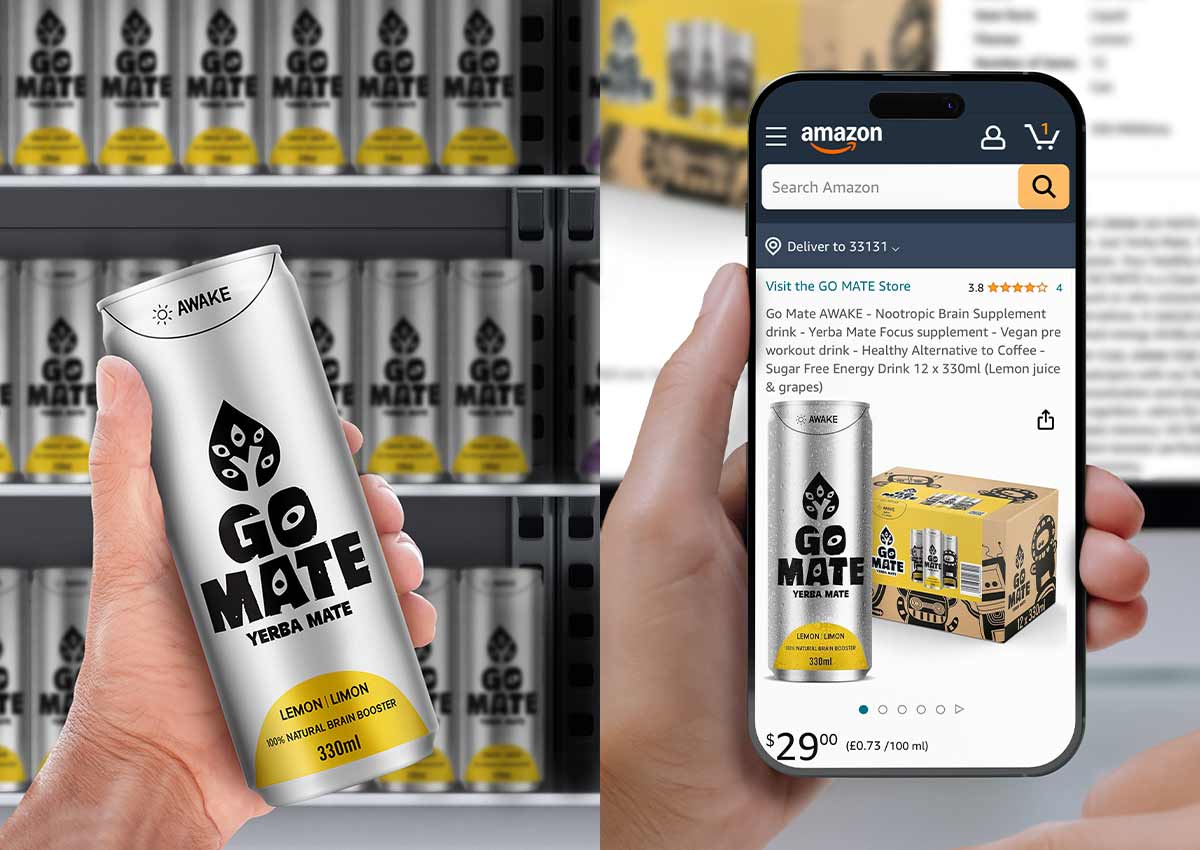
The digital shelf refers to how products appear in ecommerce environments such as Amazon, Walmart.com, and other online retailers. Unlike physical retail, where consumers interact with products in three dimensions, the digital shelf reduces packaging to a flat, often very small visual representation. In this context, packaging becomes a critical driver of visibility and conversion—especially for brands working with a US packaging design agency to compete effectively across retail and ecommerce channels.
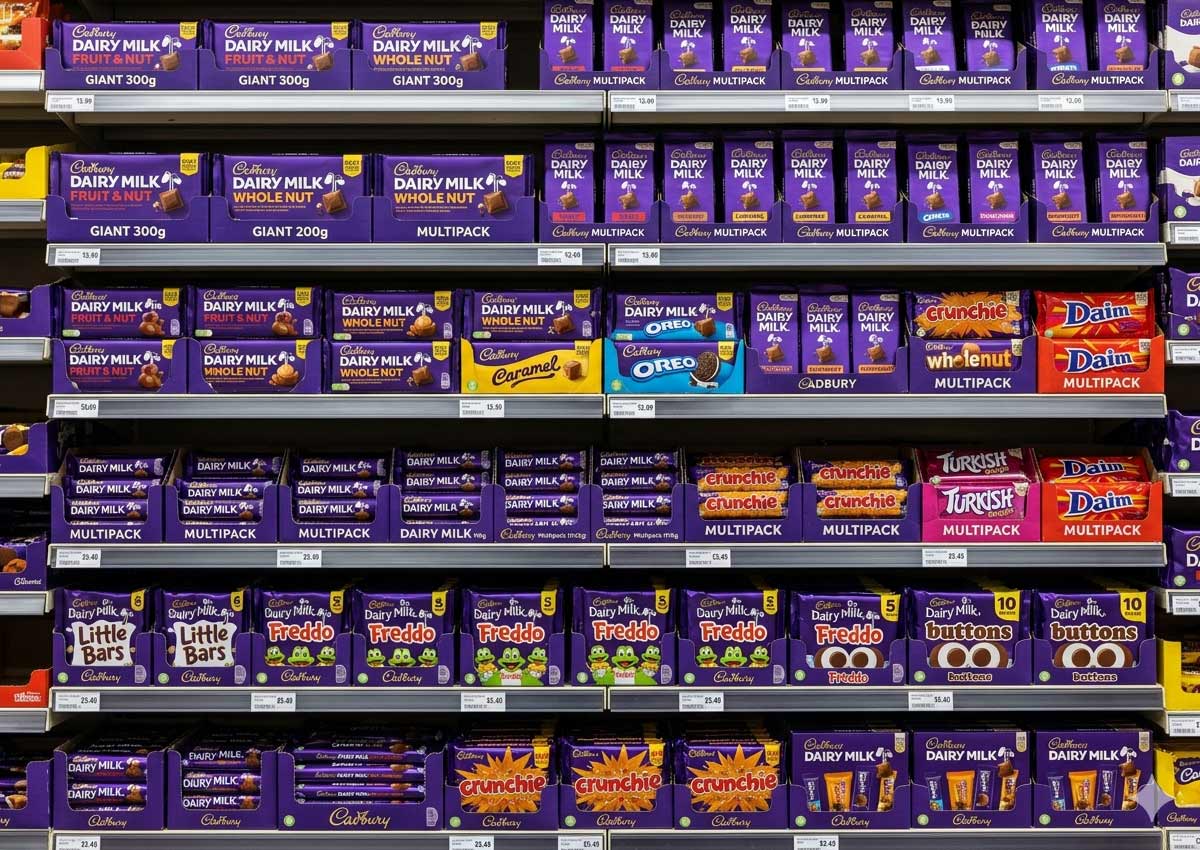
In today’s competitive consumer goods landscape, branding and packaging are no longer separate disciplines—they are deeply interconnected components of a single system. For CPG brands, packaging is often the most visible expression of the brand, while branding defines the meaning and consistency behind every touchpoint. As retail environments become more complex and e-commerce continues to grow, brands must operate across multiple channels simultaneously.

Amazon has fundamentally changed how consumers discover, evaluate, and purchase products. In this environment, packaging is no longer experienced physically—it is first encountered as a small image within a digital interface. This shift has transformed packaging from a purely physical asset into a critical driver of visibility and conversion. Traditional packaging strategies focused on shelf impact must now be adapted to perform at thumbnail size, within crowded product grids, and across mobile screens.
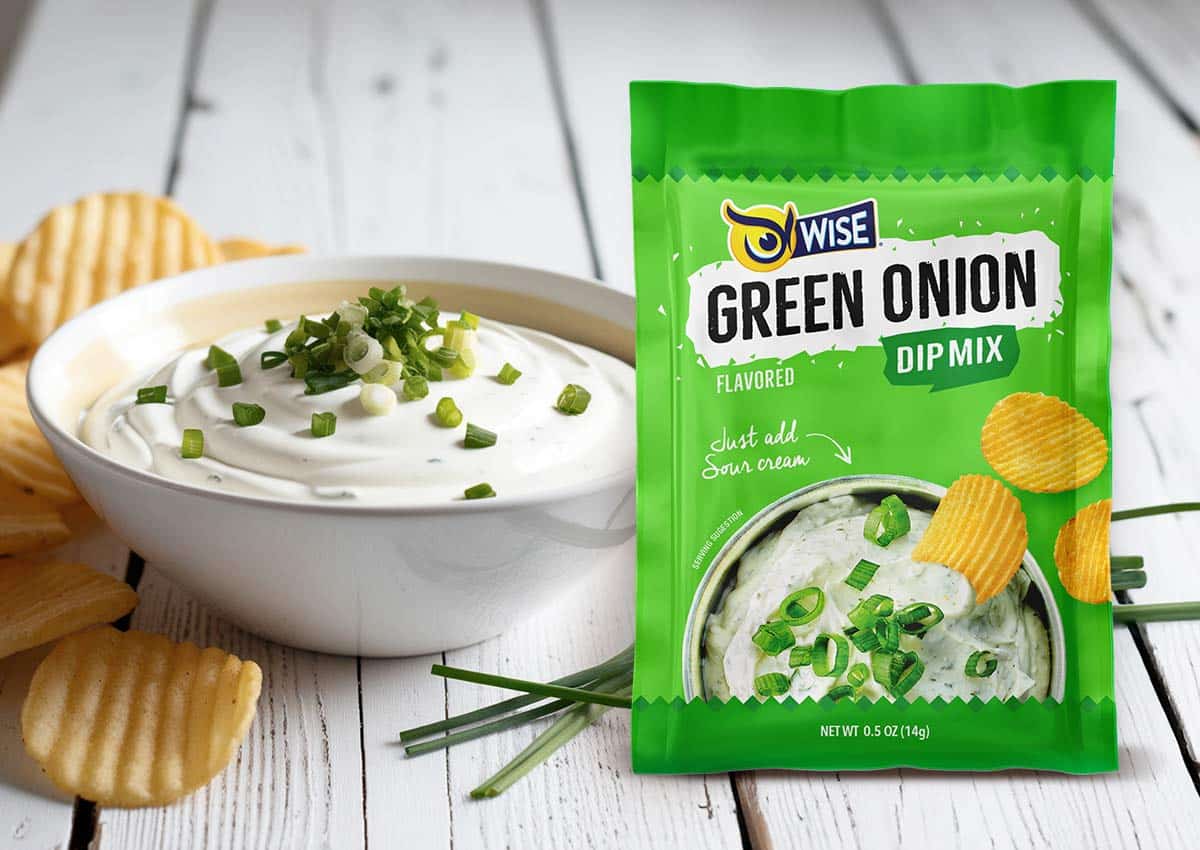
Food packaging design in the United States is evolving rapidly as brands adapt to changing consumer expectations, retail dynamics, and the growing influence of ecommerce. In highly competitive CPG categories, packaging is no longer just a container—it is a critical driver of visibility, perception, and conversion. Today’s packaging must perform across multiple environments. It must stand out on crowded retail shelves, communicate instantly at a glance, and translate effectively into digital formats such as Amazon and online grocery platforms.
Define Where Your Brand Can Win
Whether you are launching a new brand, repositioning an existing one, or expanding into new categories or markets, Imaginity can help you create a clear, differentiated, and scalable brand positioning platform.
Let’s build a brand strategy that connects with people and creates value