
Food Packaging Design Trends in the USA

Food packaging design in the United States is evolving rapidly as brands adapt to changing consumer expectations, retail dynamics, and the growing influence of ecommerce. In highly competitive CPG categories, packaging is no longer just a container—it is a critical driver of visibility, perception, and conversion. Today’s packaging must perform across multiple environments. It must stand out on crowded retail shelves, communicate instantly at a glance, and translate effectively into digital formats such as Amazon and online grocery platforms. This shift has elevated the role of design, making it a strategic tool for growth. As a result, brands are investing in smarter, more adaptable packaging systems. These systems combine strong visual impact with clarity, credibility, and digital integration—key elements that define the future of food packaging design in the US market.
Premiumization Across Price Tiers
Even value brands are adopting cleaner, more premium-looking packaging to increase perceived quality.
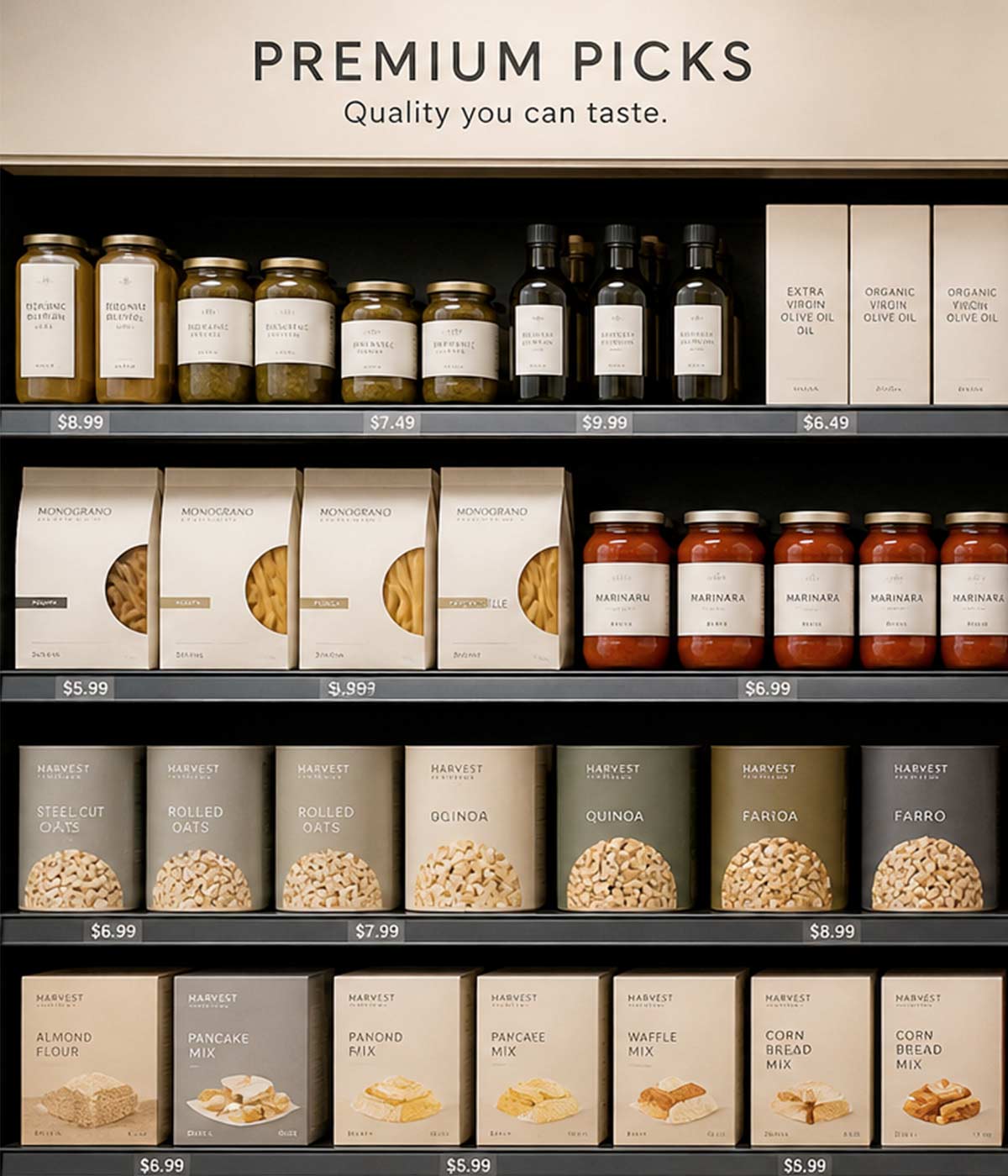
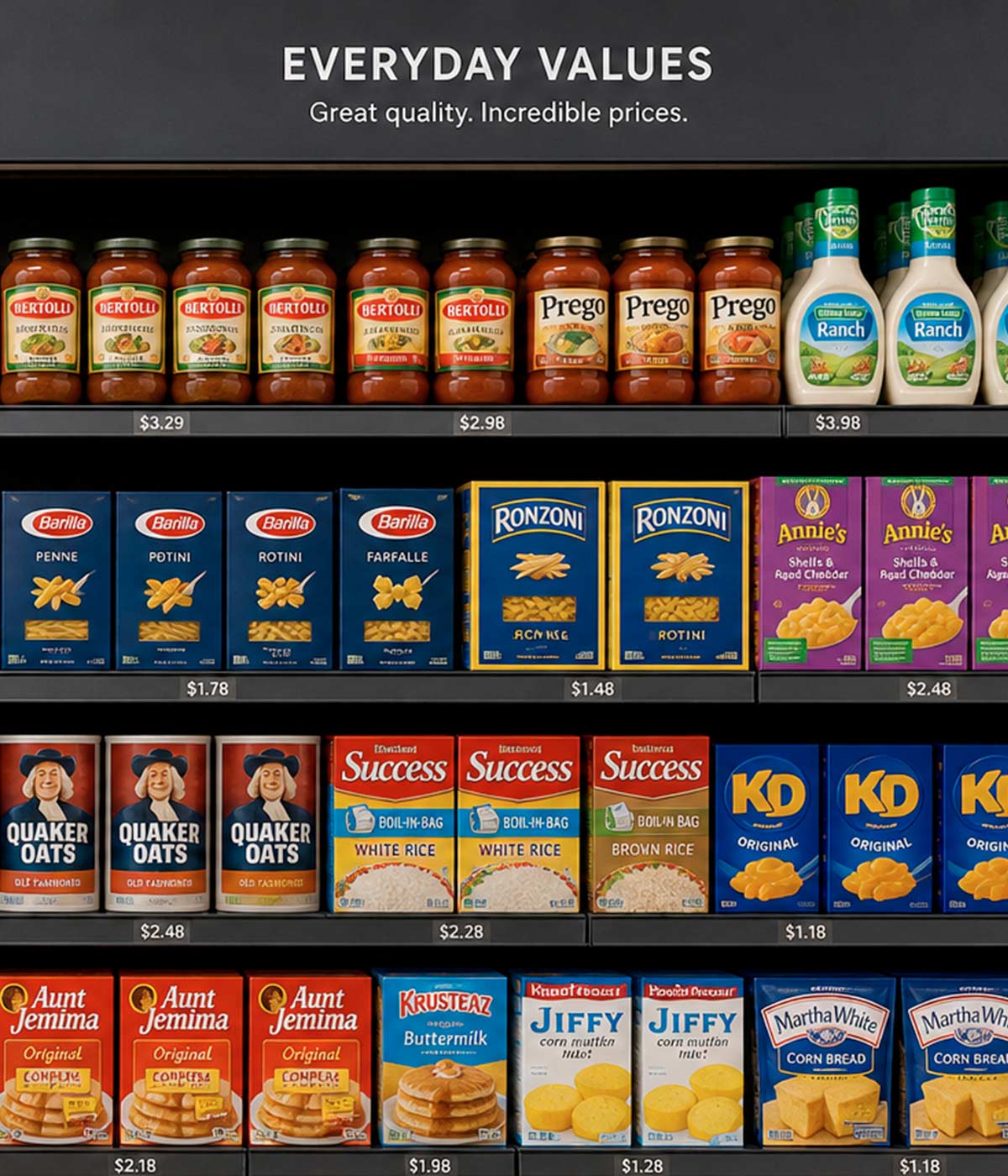
Premiumization is reshaping food packaging design across all segments of the US market. What was once limited to high-end brands is now influencing mainstream and value products, as companies seek to elevate perceived quality and compete more effectively. Design plays a central role in this shift. Cleaner layouts, refined typography, and more controlled color palettes are being used to create a more sophisticated look and feel. Even subtle improvements in structure and visual hierarchy can significantly enhance how a product is perceived on shelf. Importantly, this trend is not about making everything look expensive—it is about increasing perceived value. The most effective packaging strikes a balance between aspiration and accessibility, allowing brands to deliver a premium impression while remaining relevant to their target audience.
Appetite Appeal and Product Credibility
High-quality product visuals help drive purchase decisions by reinforcing taste and quality.
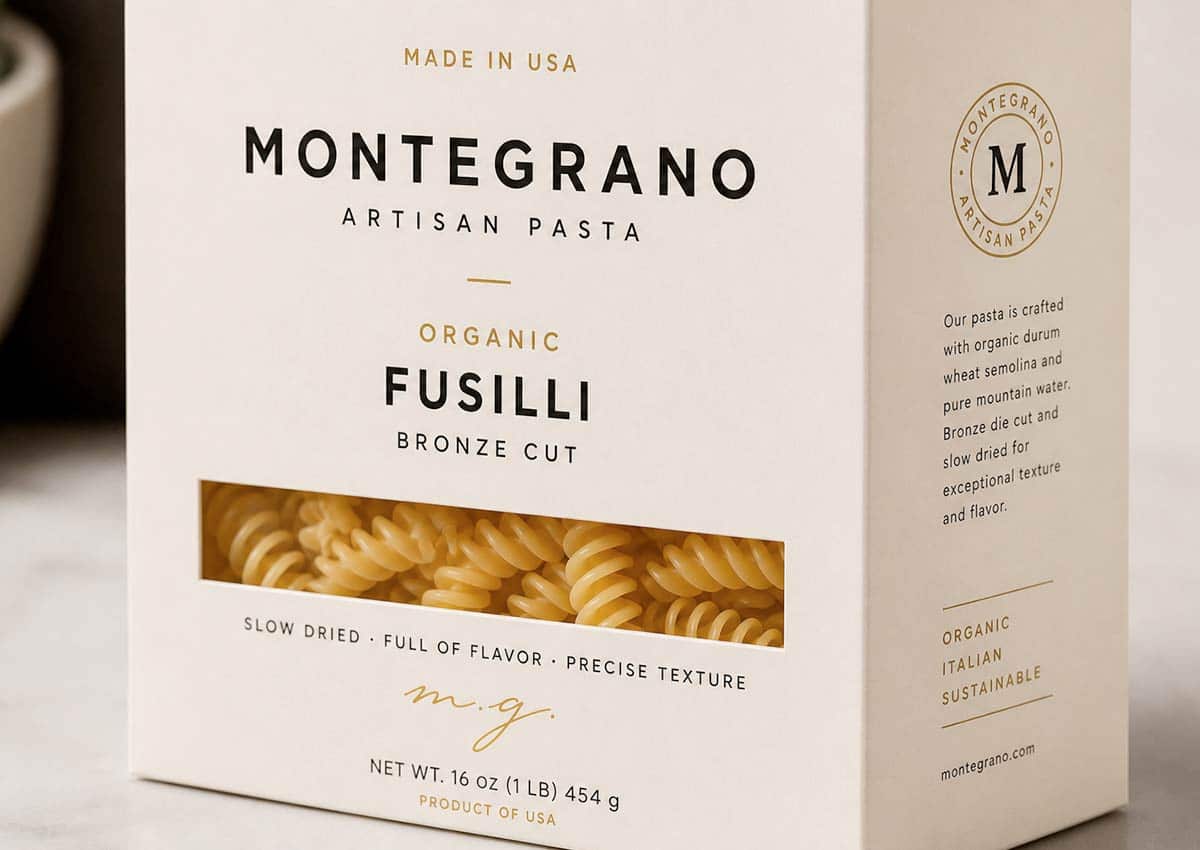
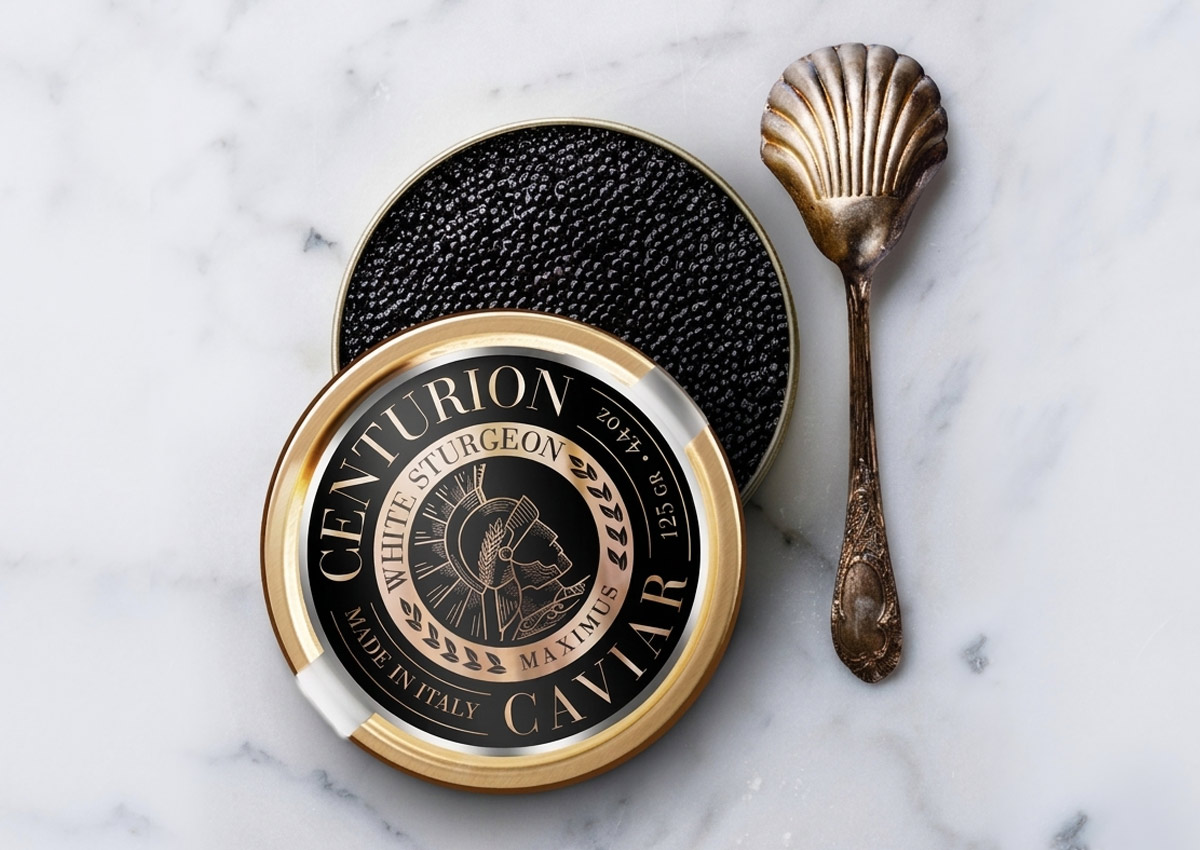
In food categories, appetite appeal remains one of the most powerful tools for driving purchase decisions. High-quality imagery that showcases texture, freshness, and serving suggestions helps consumers quickly imagine the product experience. However, visual appeal alone is not enough. Packaging must also communicate credibility. Clear product cues, realistic imagery, and transparent messaging about ingredients and benefits help build trust, which is essential in today’s market. In the US, where consumers are increasingly informed and selective, authenticity matters. Packaging that feels honest and grounded performs better than designs that appear overly stylized or disconnected from the actual product.
Simplification and Clarity
Consumers expect packaging that is easy to read and understand quickly.
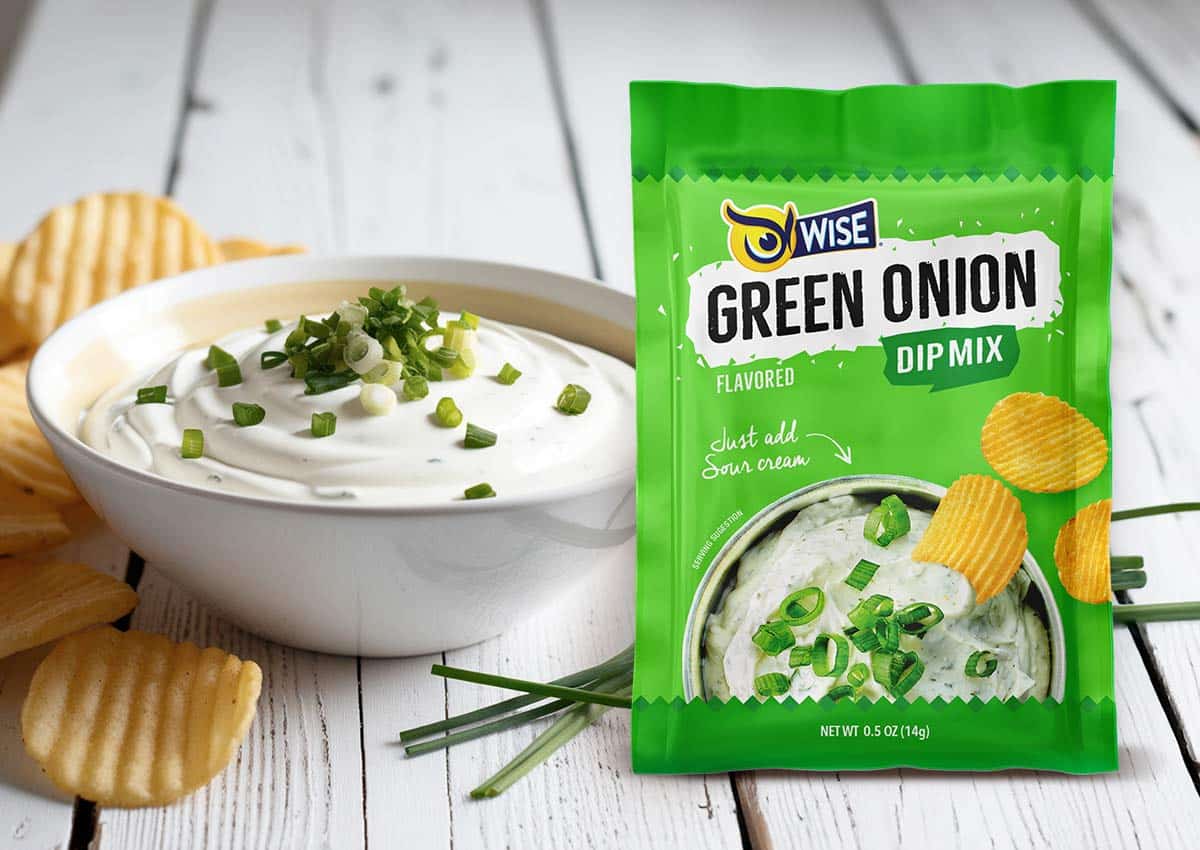
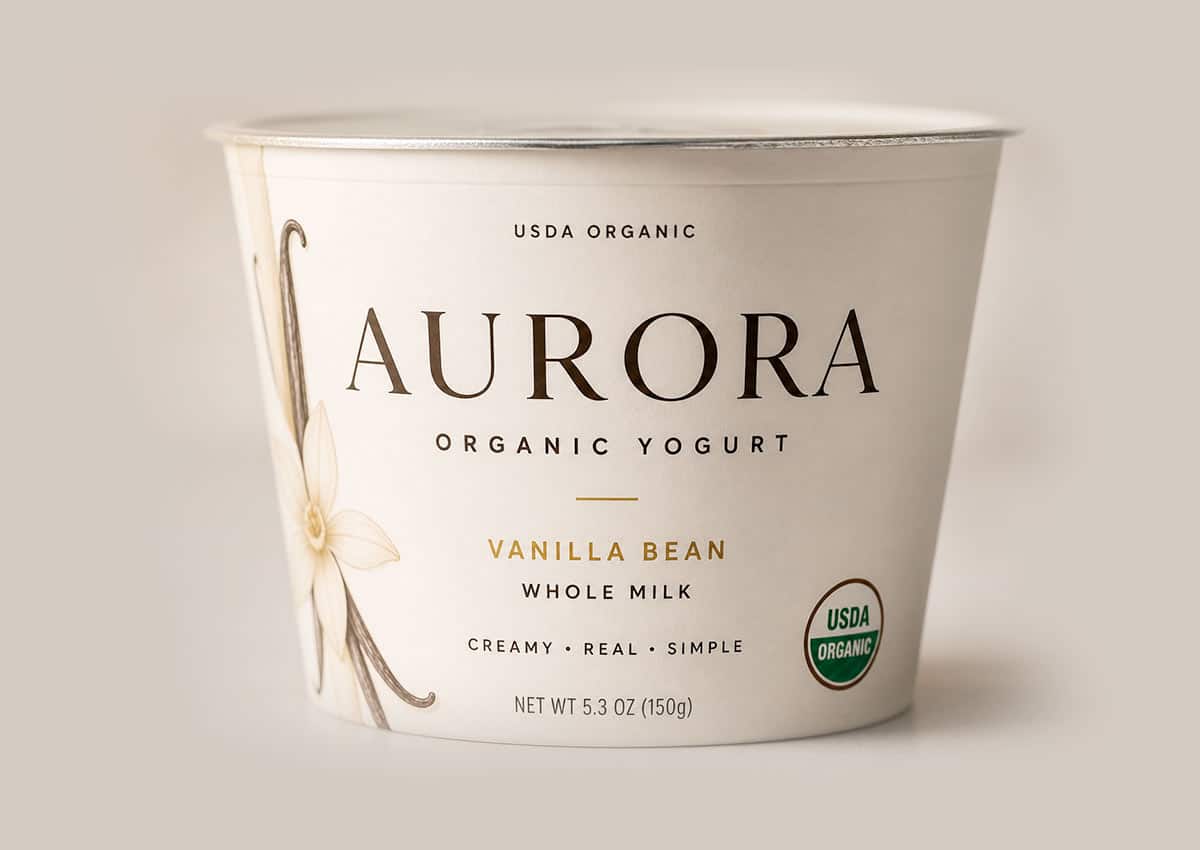
As product assortments expand and retail environments become more complex, simplicity has become a competitive advantage. Consumers are making decisions quickly, often scanning dozens of options in seconds. Effective packaging design prioritizes clarity. It uses strong hierarchy, concise messaging, and intuitive layouts to guide the consumer’s eye. Key elements such as brand name, product type, and main benefit must be immediately visible. This trend is even more critical in ecommerce, where packaging is viewed at small sizes. Designs that are too complex or cluttered tend to disappear in digital environments, while simple, focused layouts perform better in terms of visibility and engagement.
Sustainability and Responsible Design
Sustainability is increasingly important, but must be credible and balanced with functionality.
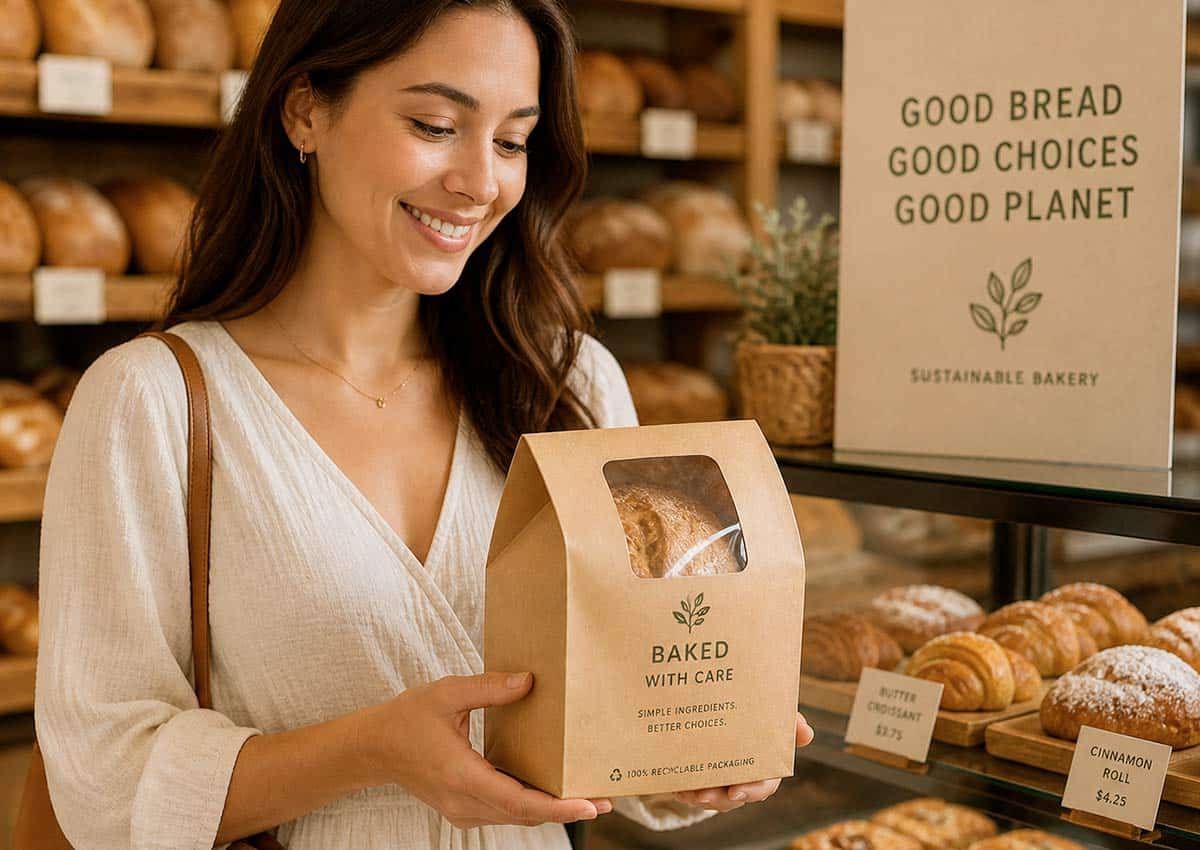
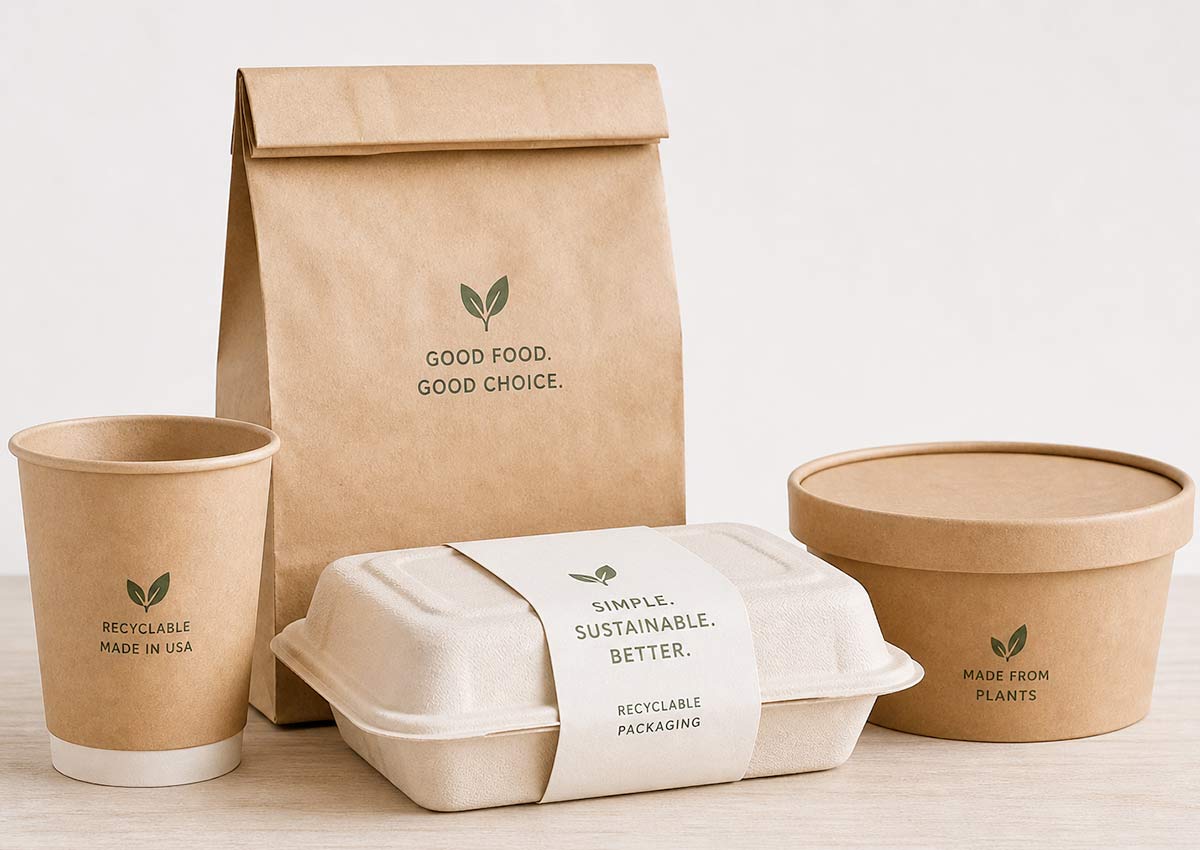
Sustainability continues to be an important consideration in food packaging design, but expectations are becoming more sophisticated. Consumers are no longer satisfied with vague claims—they expect transparency and credibility. Design can support sustainability by communicating material choices, recyclability, and environmental impact in a clear and honest way. Visual cues such as simplified graphics and natural textures can reinforce this message, but they must be supported by real actions. At the same time, food packaging must meet strict functional requirements, including protection, shelf life, and durability. The challenge for brands is to integrate sustainability without compromising performance or cost efficiency.
Connected Packaging
QR codes and digital experiences allow brands to extend packaging beyond the physical product.
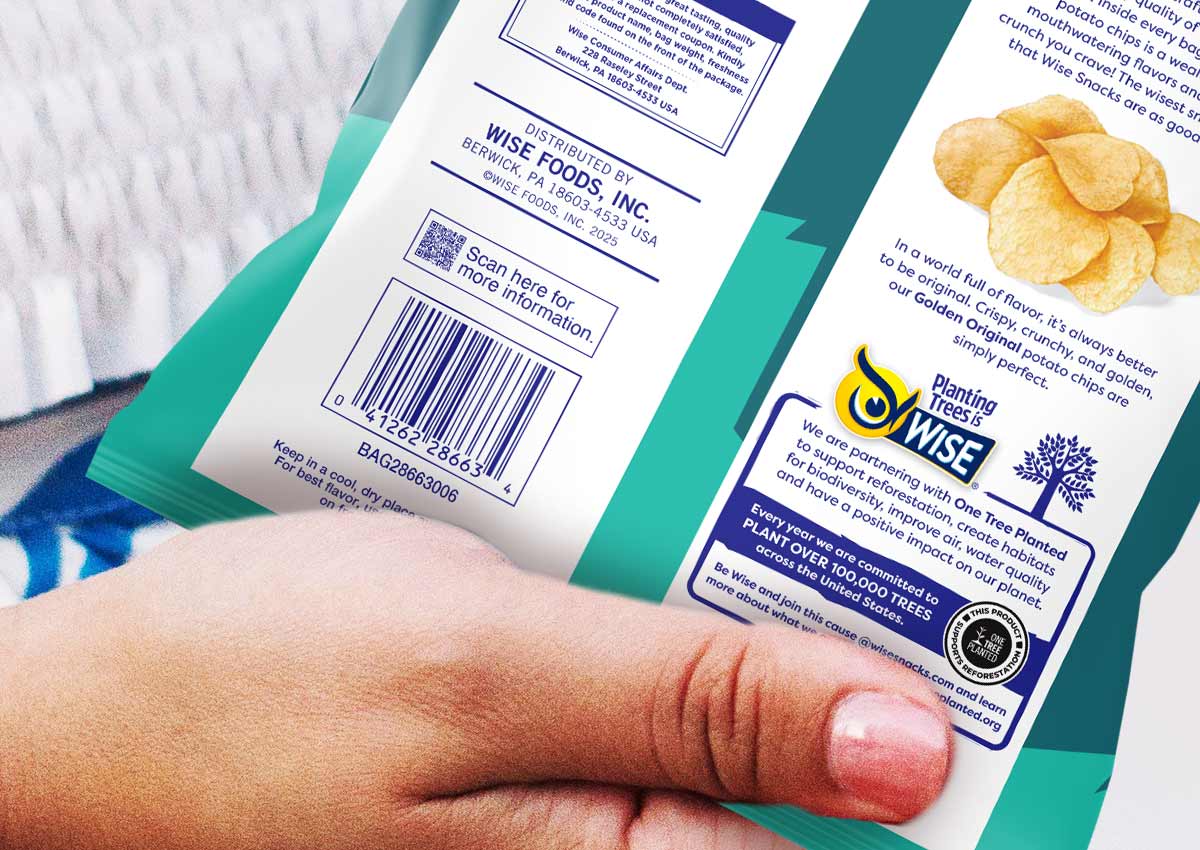
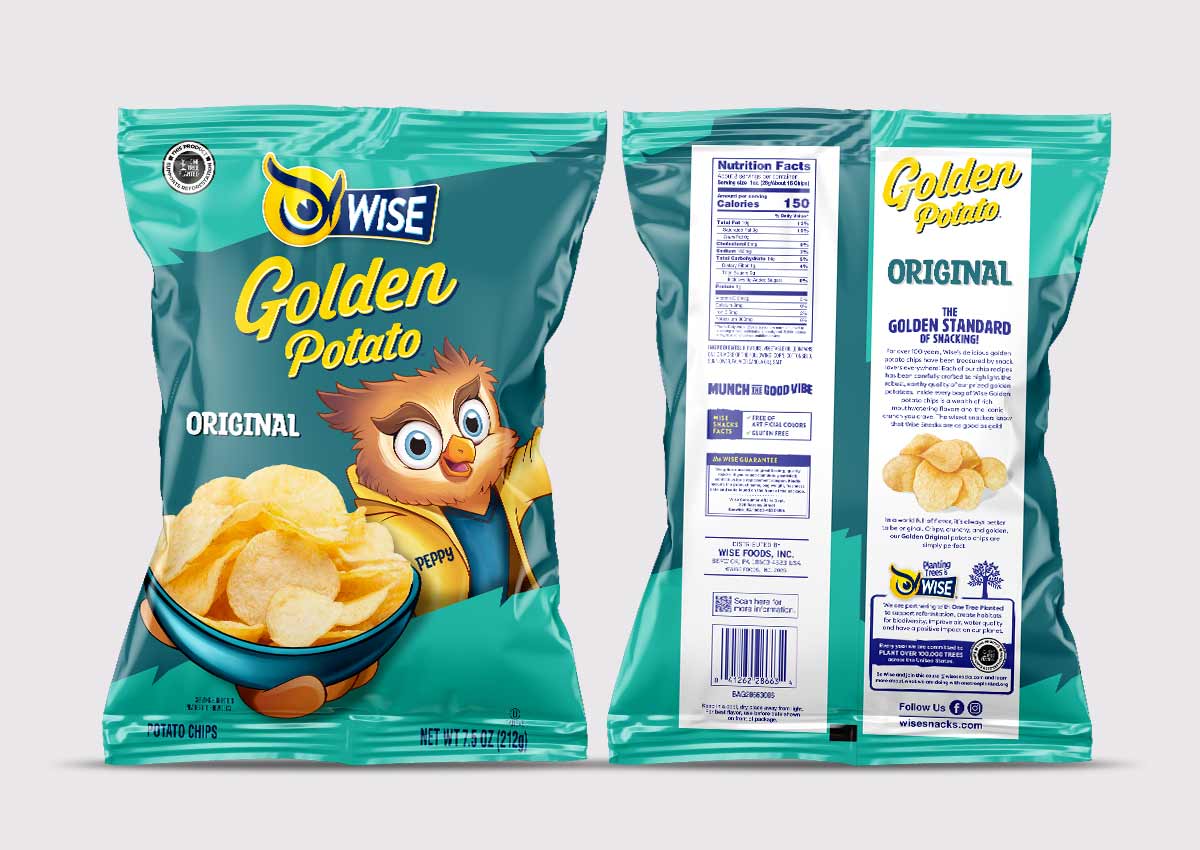
Connected packaging is emerging as a powerful tool for extending the role of packaging beyond the physical product. By integrating QR codes and digital touchpoints, brands can create richer and more dynamic consumer experiences. Through connected packaging, consumers can access additional content such as recipes, sourcing information, product education, and brand storytelling. This transforms packaging into an interactive platform rather than a static communication surface. In the US market, where smartphone usage is widespread, this approach is gaining traction. It allows brands to remain flexible, update content over time, and build ongoing relationships with consumers beyond the initial purchase.
Designing for Retail and Ecommerce
Packaging must now work in both environments, requiring adaptable systems.
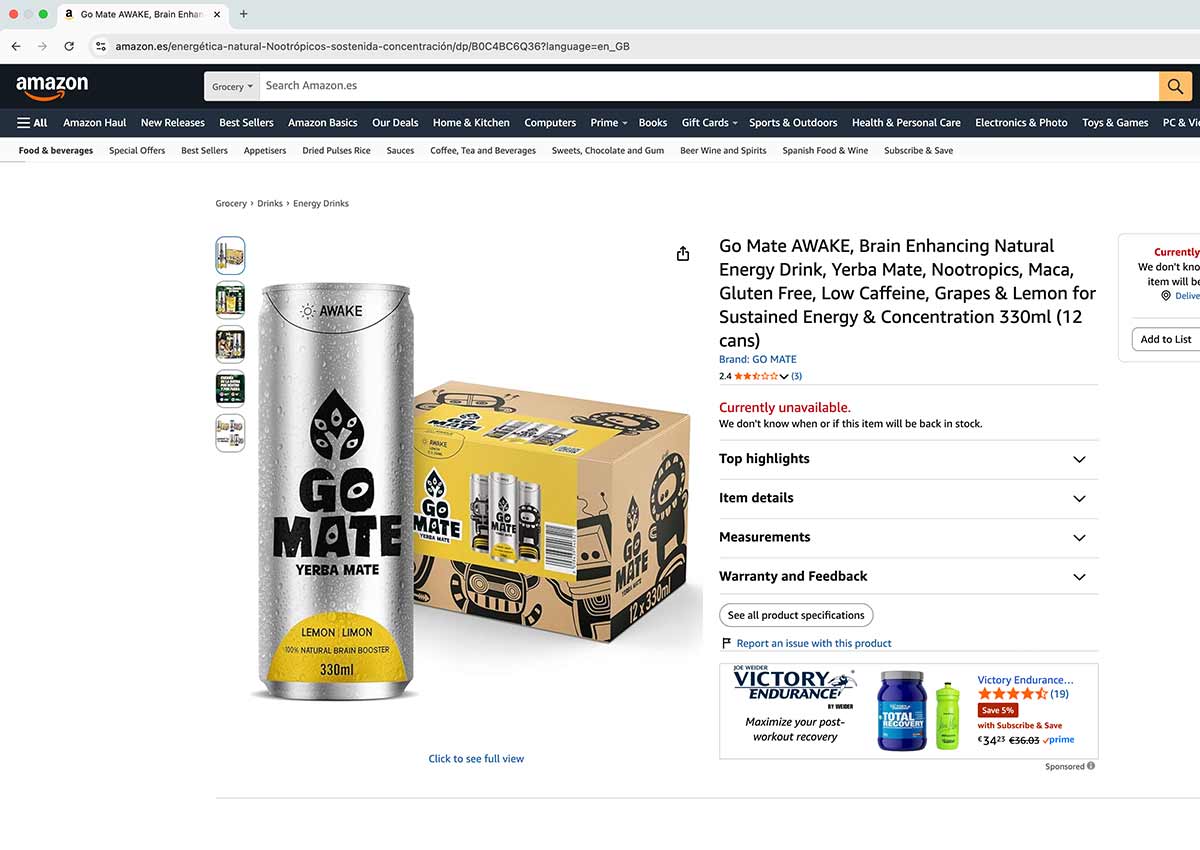
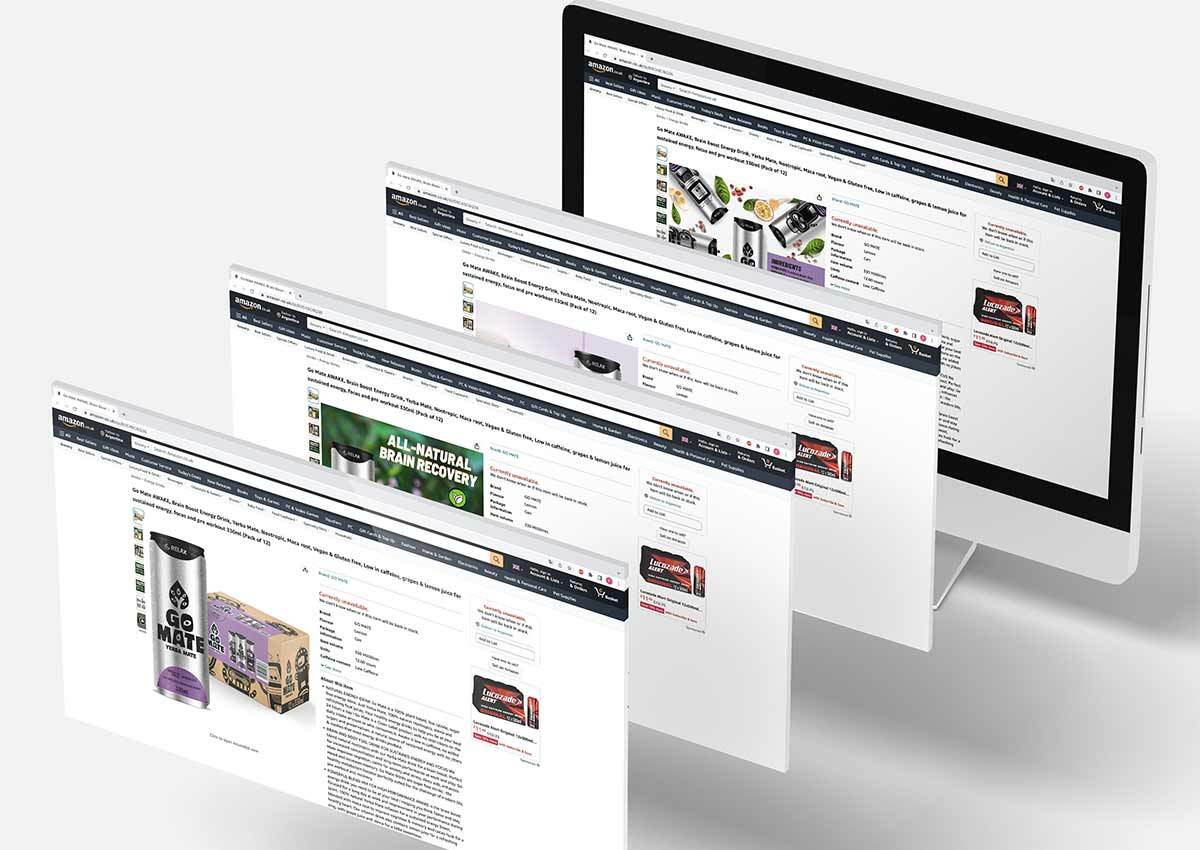
One of the most significant shifts in packaging design is the need to perform across both physical and digital environments. In retail, packaging must capture attention from a distance and stand out within crowded shelves. In ecommerce, the same packaging must work at a much smaller scale, often as a thumbnail image. This requires strong contrast, simplified hierarchy, and clear communication to ensure visibility and recognition. The most successful brands approach this challenge by developing integrated systems rather than isolated designs. These systems are flexible enough to adapt across channels while maintaining consistency and brand integrity.
Learn more about this in our guide to digital shelf packaging design (/insights/digital-shelf-packaging-design/)
The Role of a Packaging Design Agency
As packaging becomes more complex and strategic, many brands turn to a packaging design agency to develop systems that perform across channels. The role of design partners has expanded beyond aesthetics to include strategy, structure, and performance optimization. A strong agency brings expertise in category dynamics, consumer behavior, and retail environments. It helps brands identify opportunities, define positioning, and translate strategy into effective design solutions. For US brands, this often means working with teams that understand both retail shelf dynamics and digital shelf performance, ensuring that packaging works seamlessly across all touchpoints.
Conclusion: The Future of Food Packaging in the US
The future of food packaging in the US will be defined by systems that combine:
- Clarity
- Emotional connection
- Digital integration
The future of food packaging design in the United States will be defined by systems that combine clarity, emotional connection, and digital capability. Brands must move beyond isolated design decisions and think in terms of integrated ecosystems. Packaging is evolving into a dynamic brand asset—one that communicates, engages, and adapts across multiple environments. This requires a more strategic approach, where design is aligned with business objectives and consumer expectations. Ultimately, the brands that succeed will be those that understand packaging as a performance tool. By combining strong fundamentals with innovation and adaptability, they can create packaging that not only stands out—but drives real results.