
Packaging Design for the Digital Shelf: How to Win on Amazon and Ecommerce

What Is the Digital Shelf?

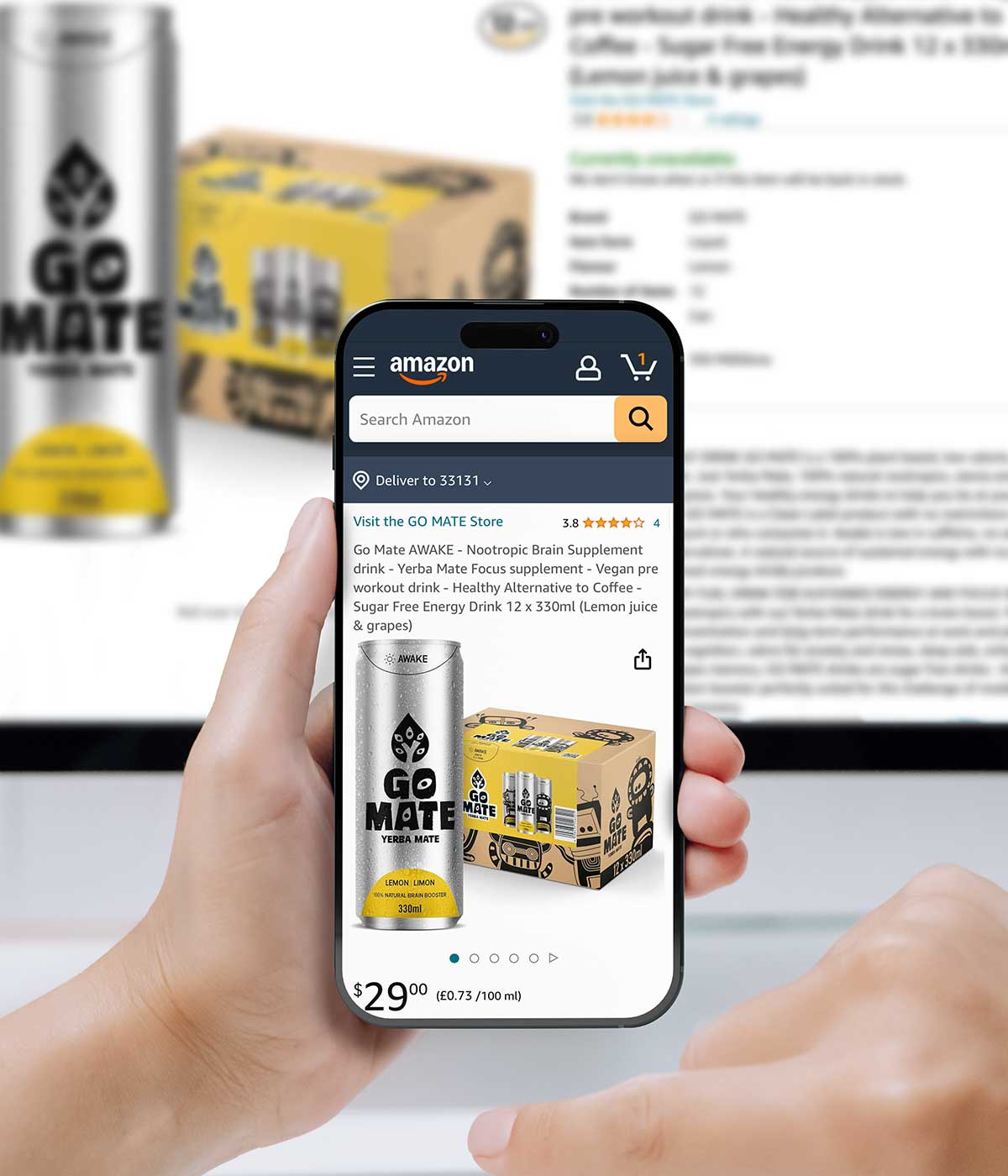
The digital shelf refers to how products appear in ecommerce environments such as Amazon, Walmart.com, and other online retailers. Unlike physical retail, where consumers interact with products in three dimensions, the digital shelf reduces packaging to a flat, often very small visual representation. In this context, packaging becomes a critical driver of visibility and conversion—especially for brands working with a US packaging design agency to compete effectively across retail and ecommerce channels.
This shift dramatically changes how packaging must function. Instead of relying on physical presence, materials, and scale, packaging must communicate instantly through a limited visual space. Consumers scan quickly, comparing multiple products at once, making fast decisions based on what they can understand in seconds.
As a result, packaging becomes more than a container, it becomes a primary communication tool. It must capture attention, convey key information, and create trust, all within the constraints of a digital interface.
Why Packaging Design Matters More Online
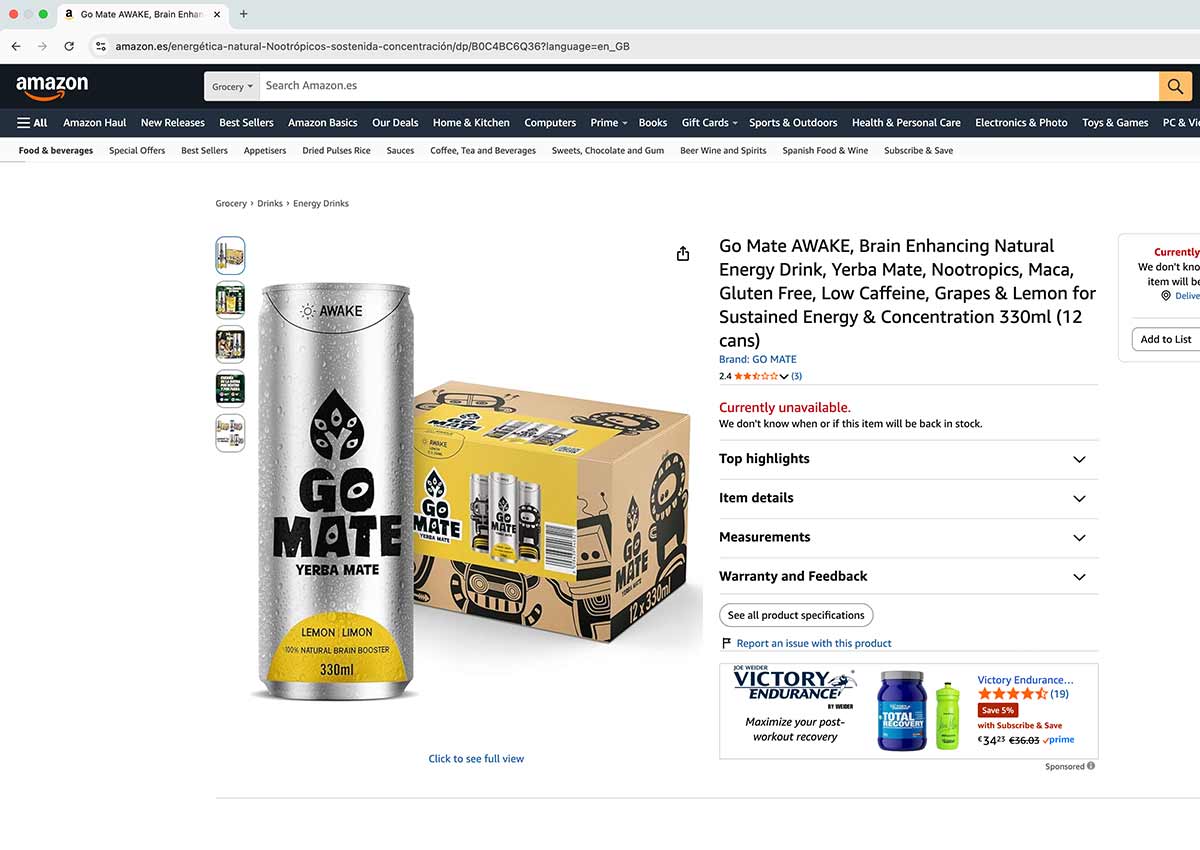

In ecommerce environments, packaging is often the first—and most decisive—interaction a consumer has with a product so is important to understand the packaging design for the digital shelf, how to win on Amazon and ecommerce. This makes packaging design for US brands especially critical, where competition is intense and decisions are made in seconds. Before reading descriptions or reviews, shoppers rely heavily on visual cues to decide whether to click or scroll past.
Strong packaging design improves visibility and click-through rates by standing out within crowded product grids. It helps communicate essential information quickly, reducing friction and increasing the likelihood of engagement. This is particularly important in CPG packaging design in the US, where brands compete in highly saturated categories across both retail and ecommerce channels. In these environments, your product competes side by side with similar options, and consumers scan rapidly, comparing products based on:
- Visual clarity
- Brand recognition
- Key benefits
- Perceived quality
If your packaging does not communicate instantly, it gets ignored. While traditional US retail packaging design focuses on shelf impact and physical visibility, the digital shelf requires packaging to perform at smaller sizes while maintaining clarity and brand recognition.
Effective packaging design for the digital shelf goes beyond aesthetics—it is a performance tool that drives visibility, engagement, and conversion. To succeed, packaging must communicate instantly, remain legible at small sizes, and differentiate clearly within highly competitive digital environments. It ensures:
- Readability at small sizes
- Clear hierarchy of information
- Strong contrast and differentiation
- Immediate understanding of product benefits
These principles are not optional—they are essential to compete effectively on the digital shelf. Understanding how to apply them in a structured and consistent way is what separates packaging that is simply seen from packaging that actually performs.
Design Principles for the Digital Shelf
To succeed online, packaging must be designed with digital performance in mind. In ecommerce environments, products are evaluated in seconds, often at thumbnail size and within crowded grids. This requires a disciplined approach to design that prioritizes clarity, speed of communication, and visual impact.

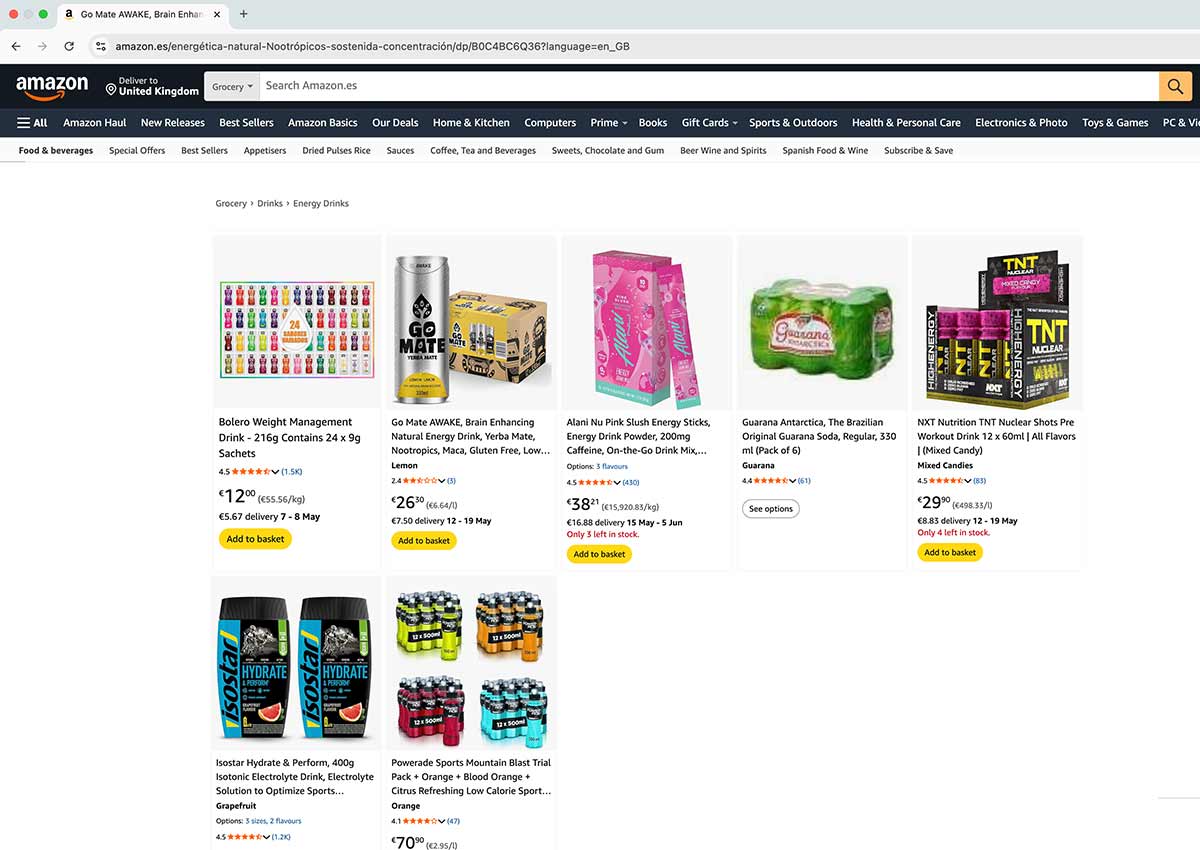
Unlike physical retail, where consumers can pick up and explore a product, the digital shelf compresses the experience into a single image. Every element must work harder to capture attention, convey meaning, and build confidence. The most effective packaging systems are those that simplify decision-making and reduce friction in the buying process.
The following principles are critical to ensure that packaging performs effectively across ecommerce platforms such as Amazon, Walmart.com, and other digital retail environments.
Simplified Visual Hierarchy
Focus on the most important elements: brand, product type, and key benefit.
High Contrast and Visibility
Avoid subtle color combinations that disappear at small scale.
Clear Product Cues
Use imagery and naming that instantly communicate what the product is.
Consistency Across Variants
Ensure that product lines remain recognizable across flavors and SKUs.
From Packaging to Product Page

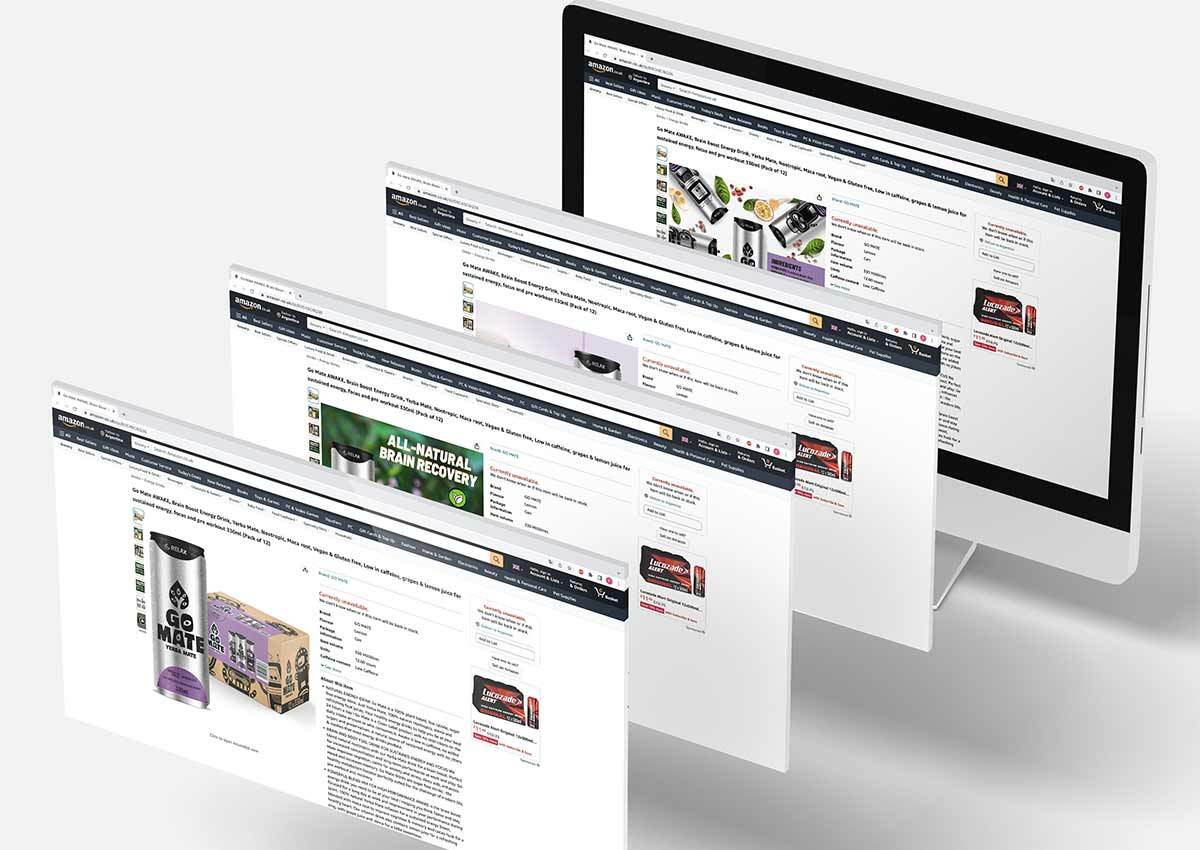
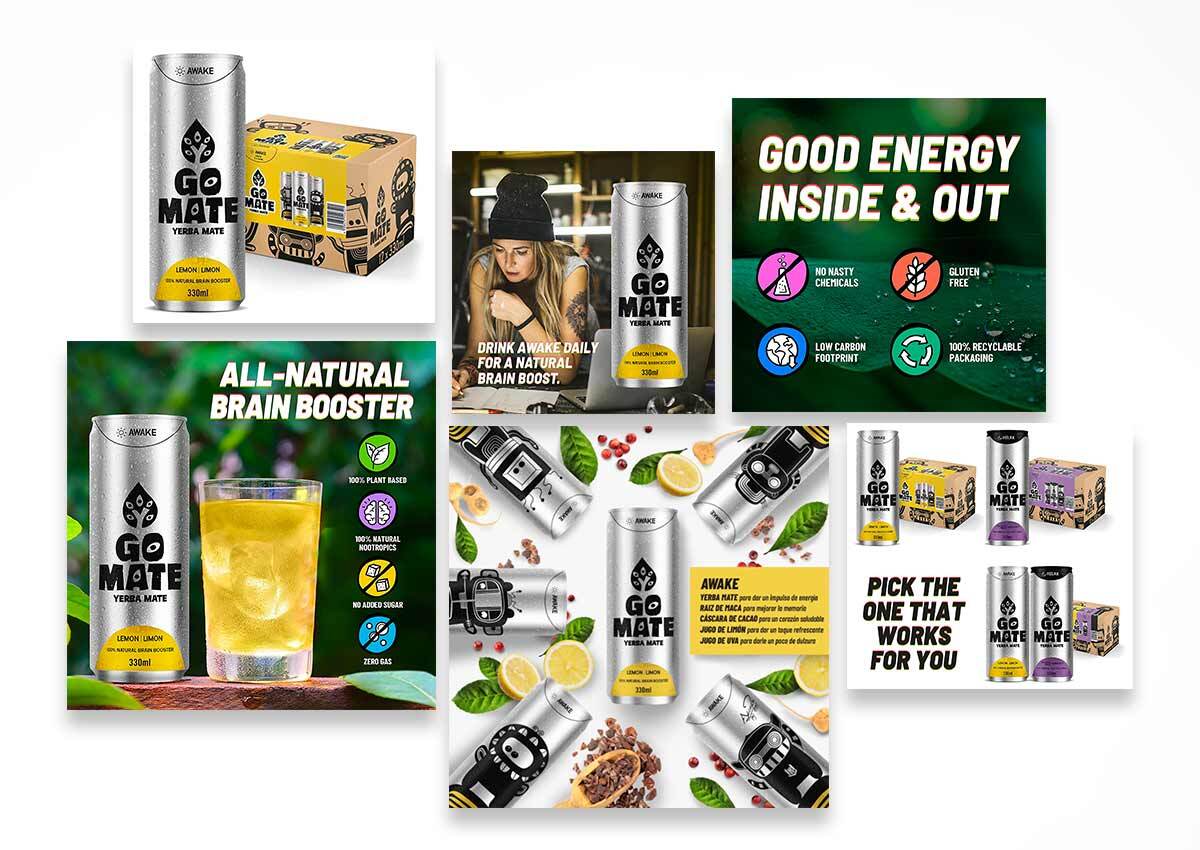
Winning on the digital shelf goes beyond packaging alone. It requires a cohesive system that extends across the entire ecommerce experience, from product detail pages to visual content and brand communication.
To perform effectively, this system must include:
- Product detail page design (PDPs)
- Secondary images and infographics
- Brand storytelling
- Feature highlights and key benefits
This is where packaging and digital marketing intersect, working together to drive visibility, engagement, and conversion.
Packaging should align seamlessly with product page visuals, ensuring consistency in messaging, tone, and visual language across all touchpoints. This creates a unified brand experience that builds trust and helps consumers make faster, more confident decisions.
By integrating packaging with digital content, brands can tell a more complete and compelling story. This includes highlighting product benefits, explaining features clearly, and creating emotional connections that extend beyond what is possible on the pack alone.
How Imaginity Designs for the Digital Shelf
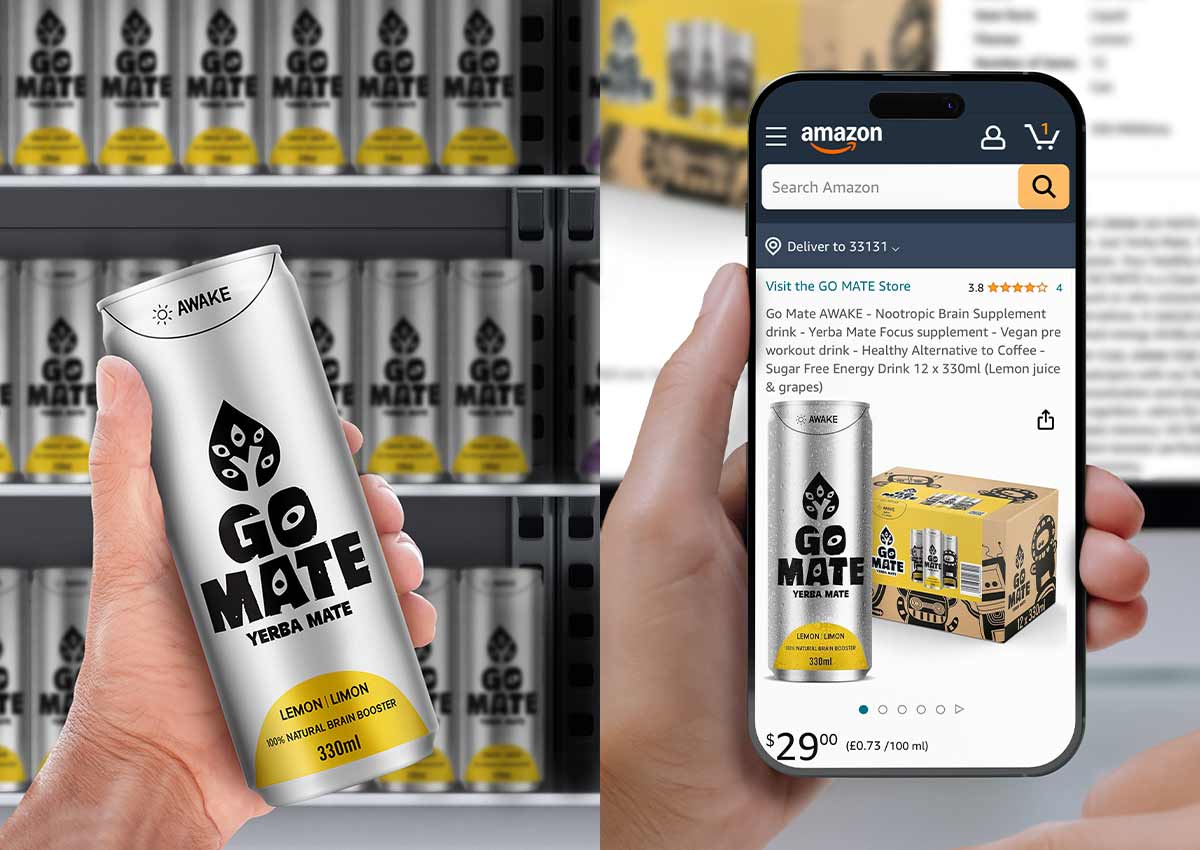
At Imaginity, we approach packaging design as part of a broader ecosystem that spans both physical and digital environments. Our goal, as a US packaging design agency, is to create cohesive systems that perform consistently across every touchpoint, from retail shelves to ecommerce platforms.
We combine strategic thinking with design expertise to ensure that packaging is not only visually compelling but also highly effective in digital contexts. This includes optimizing hierarchy, contrast, and clarity to maximize visibility, engagement, and conversion.
We create systems that:
- Work seamlessly on shelf in store and online
- Translate into strong, high-performing product listings
- Drive visibility and support conversion across channels
Our experience across categories and markets allows us to develop solutions that are both relevant and scalable. As a US packaging design agency, we help brands bridge the gap between US retail packaging design and digital shelf performance, creating systems tailored for CPG packaging design in the US. We help brands build packaging systems that support growth, improve performance, and strengthen brand equity in today’s digital-first retail environment.