
Amazon Packaging Design Guide for CPG Brands
Why Amazon Packaging Design Is Different From Retail Packaging

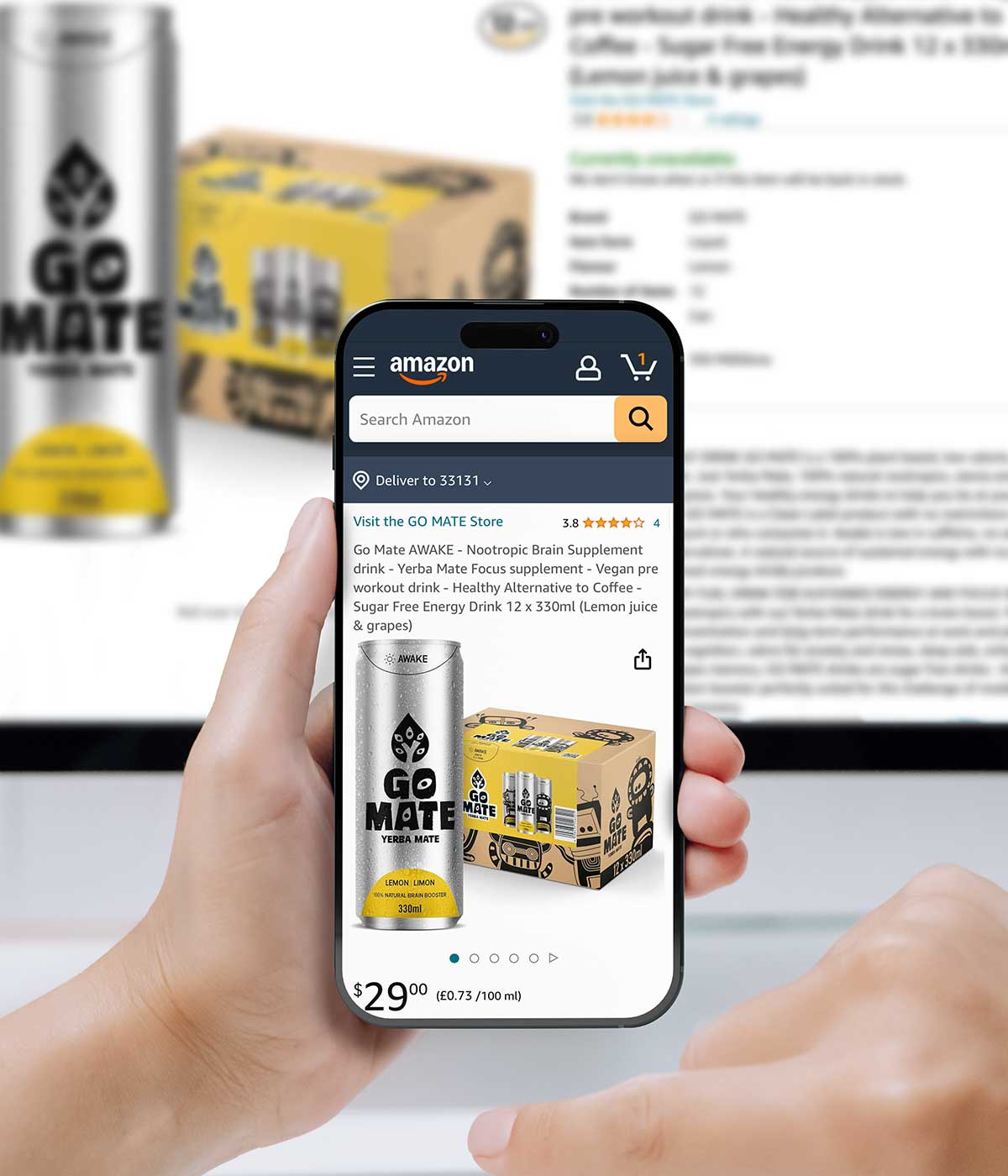
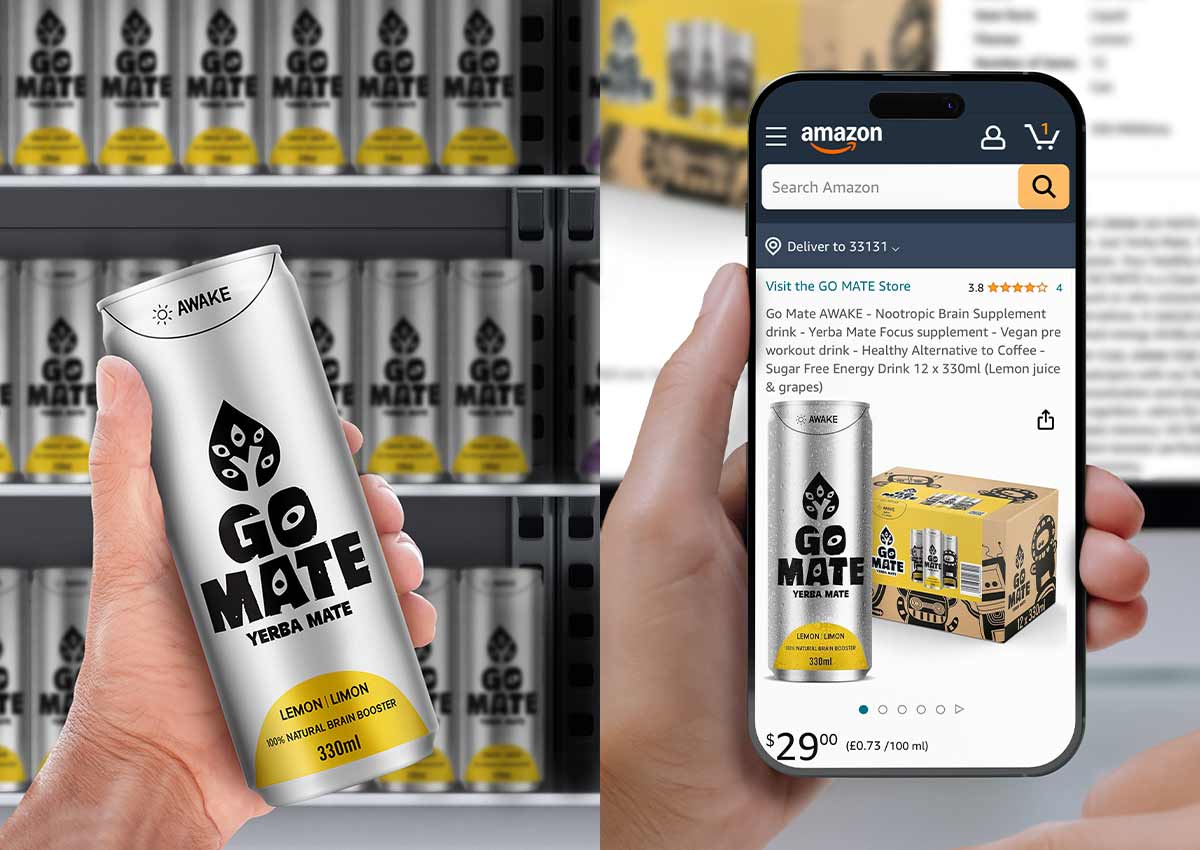
Amazon packaging design for CPG brands has to work at thumbnail size, on mobile product pages, in search results, and beside competing products. For brands selling food, beverage, personal care, home care, or health products online, the package needs to communicate quickly before shoppers ever read the full product detail page.
Amazon has fundamentally changed how consumers discover, evaluate, and purchase products. In this environment, packaging is no longer experienced physically—it is first encountered as a small image within a digital interface. This shift has transformed packaging from a purely physical asset into a critical driver of visibility and conversion.
For CPG brands, succeeding on Amazon requires a different design mindset. Traditional packaging strategies focused on shelf impact must now be adapted to perform at thumbnail size, within crowded product grids, and across mobile screens. The ability to communicate quickly and clearly is more important than ever.
Effective Amazon packaging design combines strong visual hierarchy, clarity, and consistency with a deep understanding of ecommerce behavior. It is not just about looking good—it is about driving clicks, engagement, and ultimately sales in a highly competitive digital marketplace.
Why Amazon Changes Packaging Design
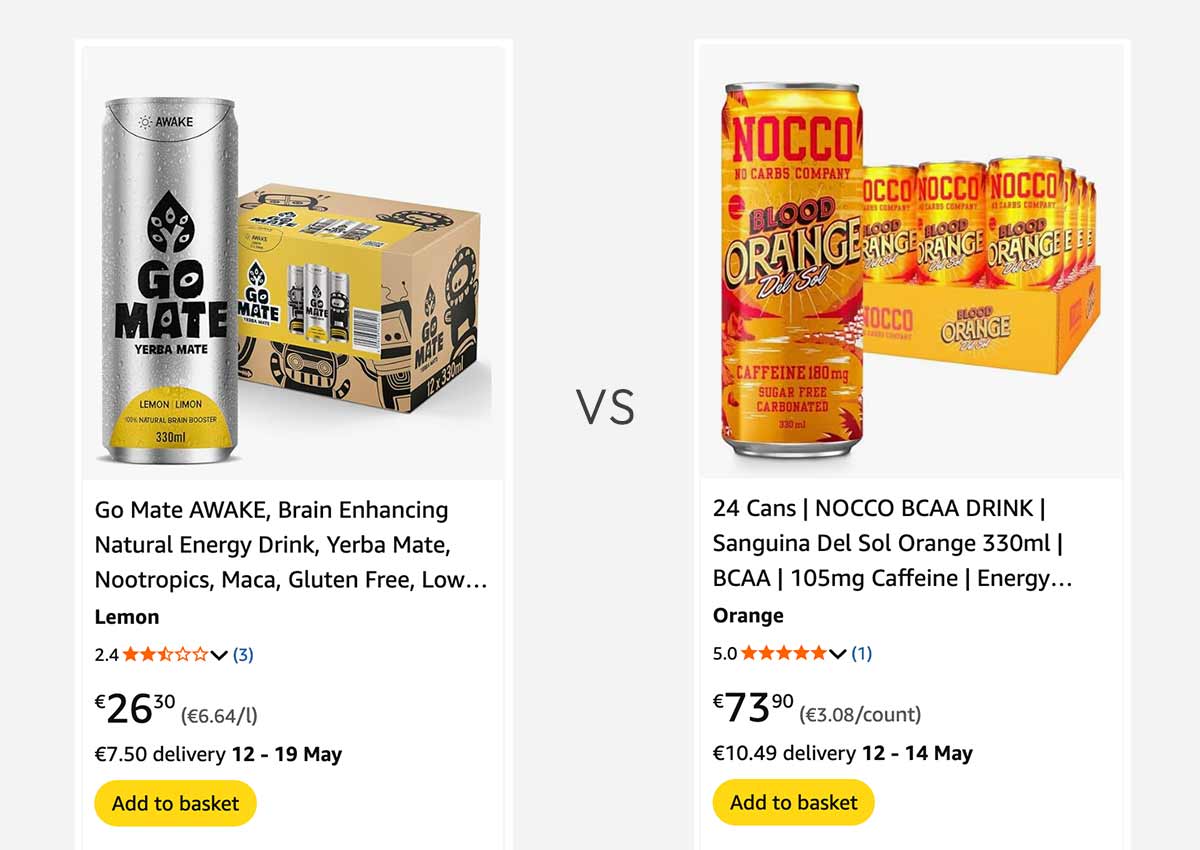

Amazon shifts the focus of packaging design from physical shelf impact to digital performance. Instead of competing for attention in a three-dimensional environment, products are displayed in flat, standardized grids where size, lighting, and context are controlled by the platform.
In this setting, packaging must work at extremely small sizes. Thumbnail visibility becomes critical, as consumers often make decisions based on quick visual scans. This means that elements such as brand name, product type, and key benefit must be immediately recognizable without requiring zoom or interaction.
At the same time, packaging must support conversion-driven visuals. It is no longer enough to attract attention—the design must also communicate clearly and build trust. Product clarity becomes essential, ensuring that consumers understand what the product is and why it is relevant to them within seconds.
In many ways, Amazon represents the most extreme version of the digital shelf packaging design environment.
Key Packaging Considerations for Amazon
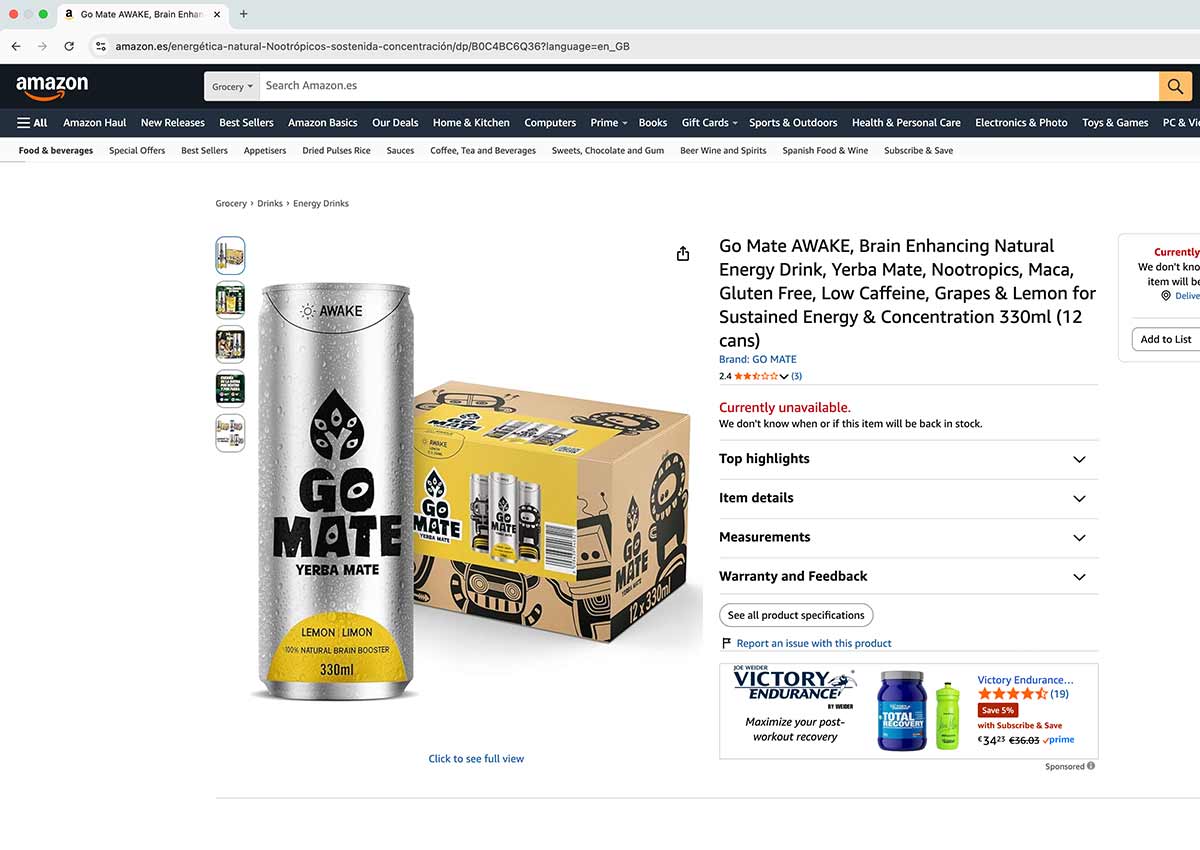
Designing packaging for Amazon requires a disciplined focus on clarity and efficiency. Legibility at small sizes is one of the most important factors. Text must be large enough to read at thumbnail scale, and critical information must not be lost when the image is reduced.
Strong contrast is equally important. Packaging that relies on subtle color differences or low-contrast elements tends to disappear in product grids. Bold color choices and clear separation between elements help ensure that the product stands out.
Clear product naming and benefit communication are also essential. Consumers should be able to understand what the product is and what it offers at a glance. This reduces friction and increases the likelihood of clicks, which is a key driver of performance on Amazon.
Amazon Packaging Checklist
- Thumbnail legibility
- Brand and blocking clarity
- Variant and flavor visibility
- Clear claim hierarchy
- PDP image stack consistency
- Retail and ecommerce consistency
Integrating Packaging with PDP Content
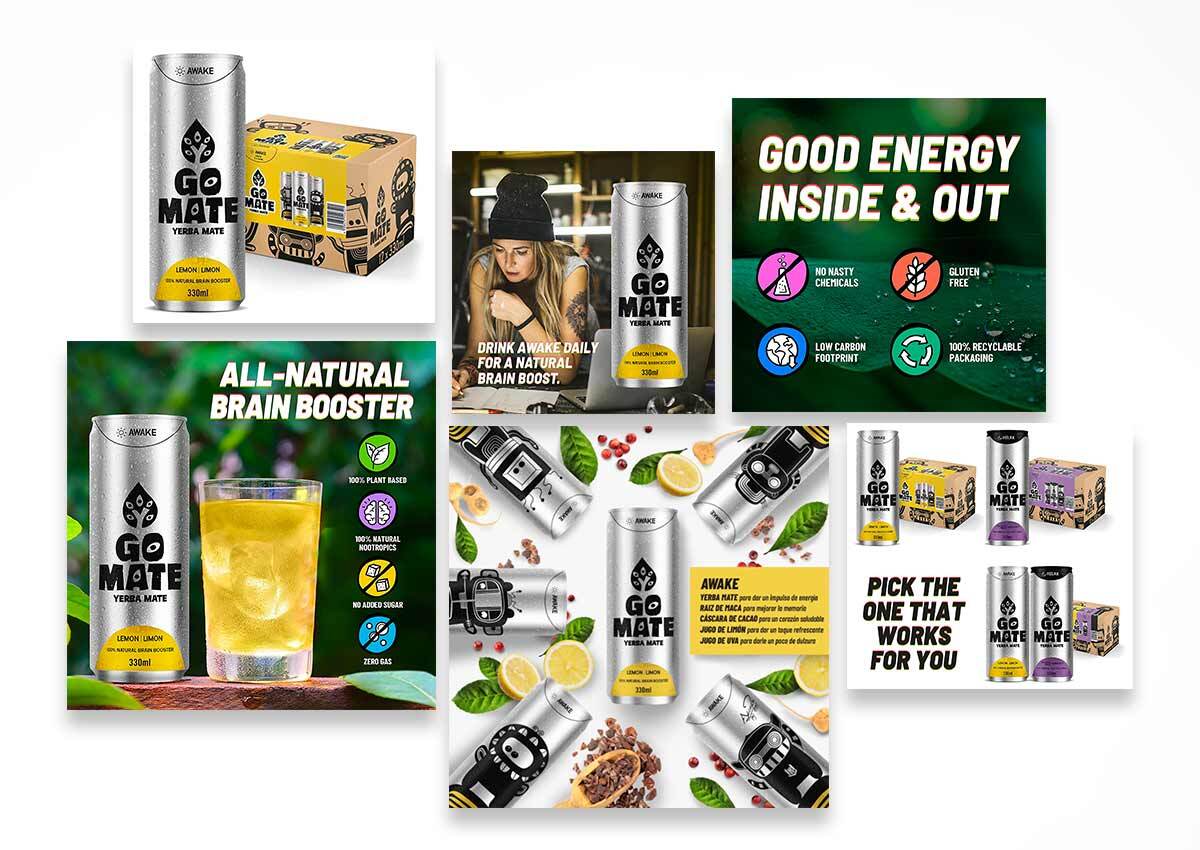
Winning on Amazon goes beyond packaging itself. It requires a cohesive system that integrates packaging with product detail page (PDP) content, creating a unified and persuasive brand experience.
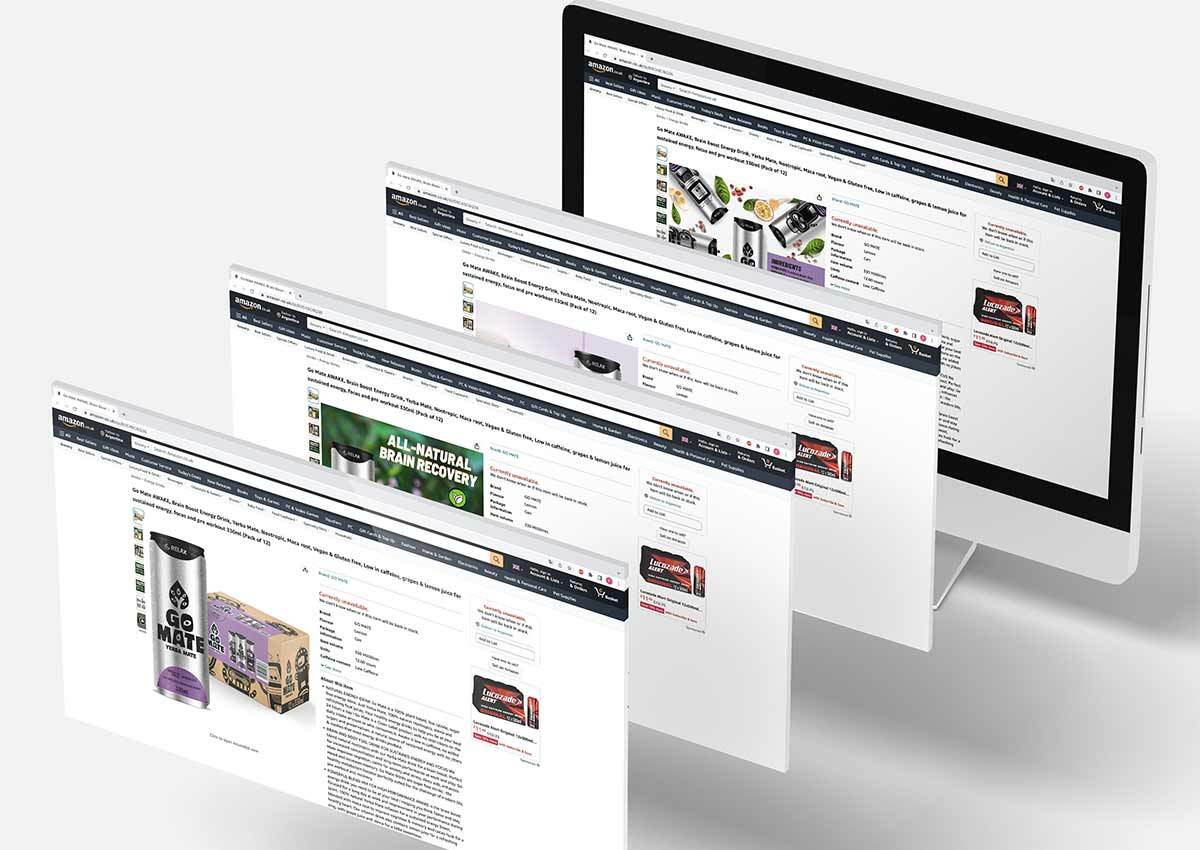
Packaging should align seamlessly with product images, infographics, and brand messaging. This ensures consistency across all visual touchpoints and reinforces key messages. When packaging and PDP content work together, they create a stronger and more credible presentation.
This integration also allows brands to expand beyond the limitations of packaging. Infographics can highlight features and benefits, while additional images can provide context and storytelling. Together, these elements create a richer experience that supports conversion.
Explore how this connects to broader branding and packaging systems for CPG brands.
Common Mistakes


One of the most common mistakes in Amazon packaging design is overcomplication. Designs that work well in physical retail often include multiple messages, detailed imagery, and subtle elements that become ineffective when reduced to thumbnail size.
Weak contrast is another frequent issue. Packaging that lacks strong visual differentiation blends into the background, making it difficult for consumers to notice or recognize. This directly impacts click-through rates and overall performance.
A lack of clear hierarchy can also undermine effectiveness. If consumers cannot quickly identify the brand, product type, and key benefit, they are likely to move on. Successful Amazon packaging simplifies communication and prioritizes what matters most.
Designing for Mobile and Multichannel Environments
A significant portion of Amazon traffic comes from mobile devices, where screen sizes are smaller and attention spans are shorter. This makes it even more important for packaging to perform at reduced scales and within tighter visual spaces.
Designs must be tested across different contexts, including desktop grids, mobile views, and search results. What works in one environment may not translate effectively to another, so flexibility and adaptability are key.
At the same time, Amazon is just one part of a broader ecosystem. Packaging must also work in physical retail and other ecommerce platforms. This requires a system-based approach that ensures consistency while adapting to different environments.
The Role of a Packaging Design Agency
Given the complexity of designing for Amazon, many brands work with a specialized packaging design agency to develop solutions that combine strategy, creativity, and performance optimization.
An experienced agency understands both retail and ecommerce dynamics. It can help brands simplify communication, improve hierarchy, and create packaging systems that perform across multiple channels.
For US brands, this often means partnering with a team that understands CPG packaging design in the US and the specific requirements of platforms like Amazon. This expertise is critical to building packaging that drives results in a competitive market.
Conclusion
Amazon is not just another channel—it represents a fundamental shift in how products are discovered and evaluated. Packaging must adapt to this new reality, functioning as both a visual identifier and a conversion tool.
Success on Amazon requires a different design mindset, one that prioritizes clarity, simplicity, and performance. Brands must think beyond aesthetics and focus on how packaging works within digital environments.
Ultimately, the most effective Amazon packaging is part of a broader system that integrates branding, packaging, and digital content. By aligning these elements, CPG brands can create stronger, more consistent experiences that drive visibility, engagement, and conversion.