
The Strategic Role of Packaging in FMCG Marketing
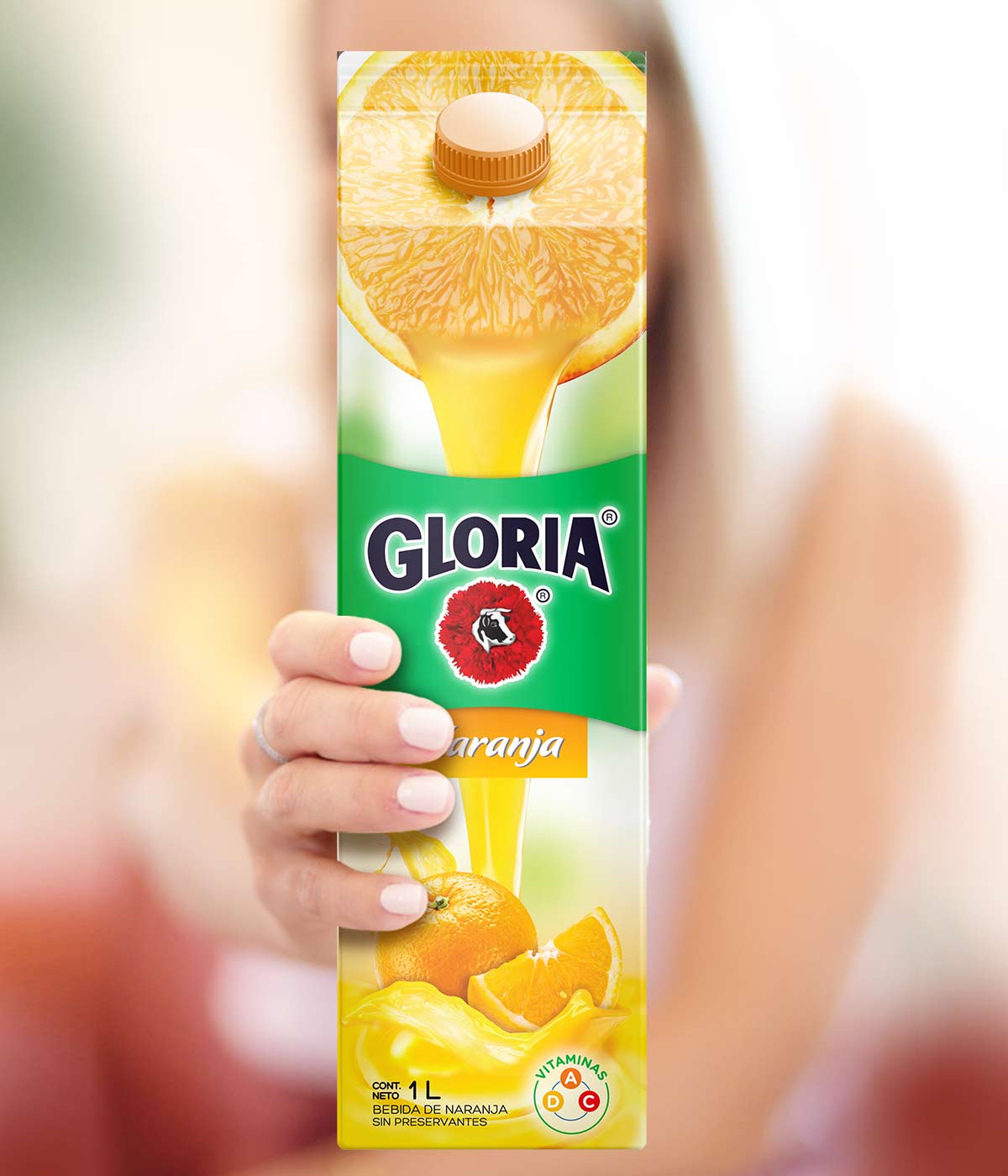

In the fast-moving world of consumer goods, packaging is more than protection — it’s persuasion. Every color, texture, and structural choice tells your brand’s story in seconds. For marketers and brand managers, packaging is the most visible and consistent touchpoint, influencing perception, preference, and purchase. When executed strategically, it transforms shelf presence into brand power and everyday interactions into loyalty.
Packaging as a Powerful Tool for Brand Differentiation
Standing Out in Crowded Categories
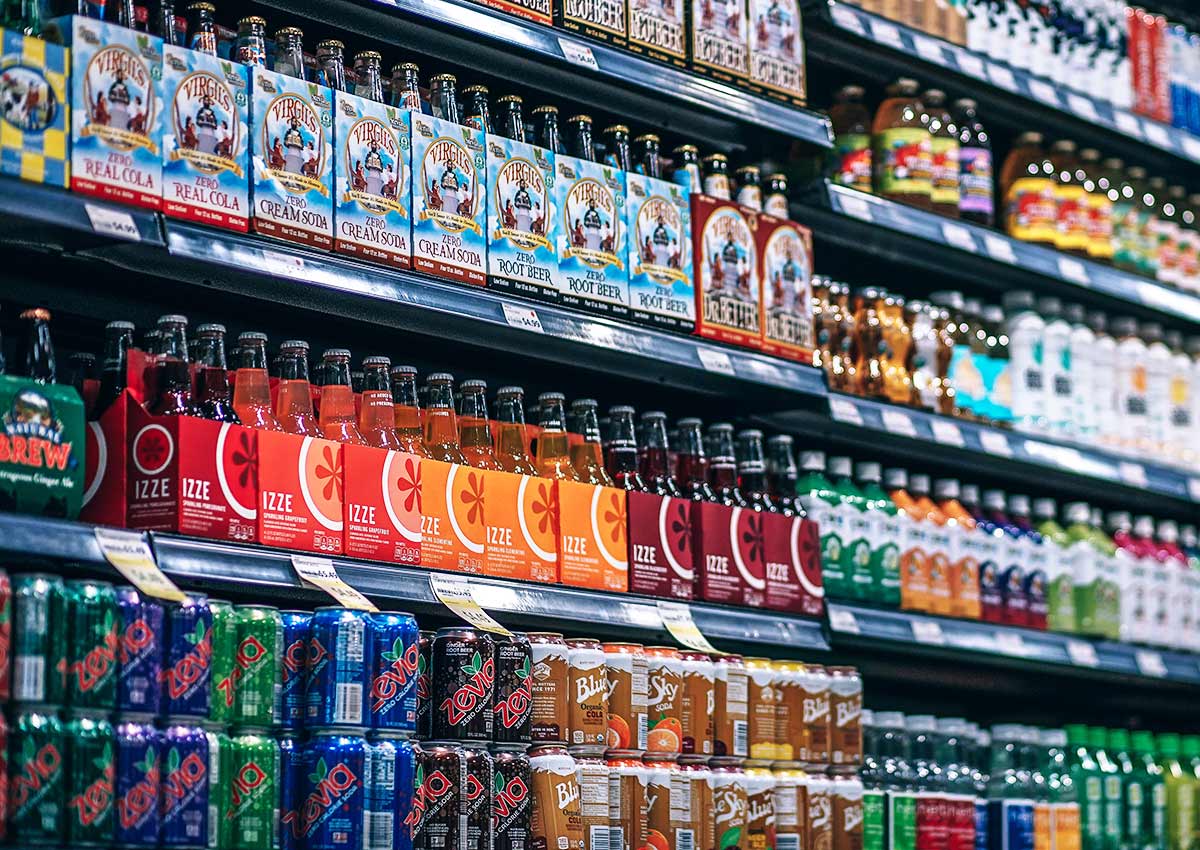
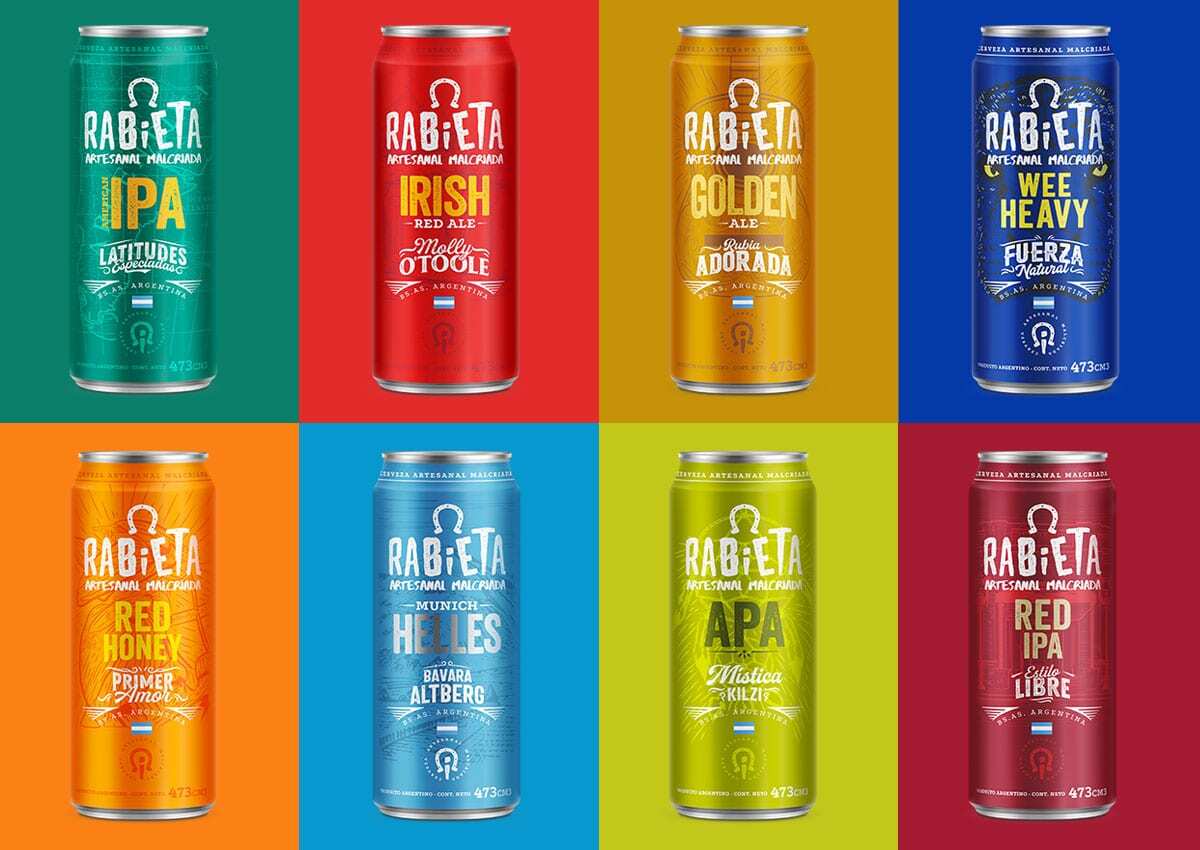
In categories where products compete side by side, packaging becomes the silent salesperson. Its shape, color, and layout capture consumer attention in the blink of an eye, often before price or product attributes are considered. Smart brands use design to break category conventions and signal innovation, creating instant distinction that encourages trial and recall. Strategic differentiation isn’t just about being different — it’s about being relevant. When packaging aligns visual disruption with brand purpose, it gives consumers a reason to choose you over the next option on the shelf. That’s where true competitive advantage begins
Building Recognition Through Consistent Visual Systems
In categories where products compete side by side, packaging becomes the silent salesperson. Its shape, color, and layout capture consumer attention in the blink of an eye, often before price or product attributes are considered. Smart brands use design to break category conventions and signal innovation, creating instant distinction that encourages trial and recall. Strategic differentiation isn’t just about being different — it’s about being relevant. When packaging aligns visual disruption with brand purpose, it gives consumers a reason to choose you over the next option on the shelf. That’s where true competitive advantage begins
Creating Emotional Bonds Through Design Language
Packaging speaks to both the head and the heart. Beyond functionality, great design evokes emotion — nostalgia, joy, trust, excitement. The right balance of visual and tactile elements helps brands create emotional resonance that goes far beyond the product itself. For marketers, that emotion becomes a growth engine. When packaging design connects emotionally, it doesn’t just sell — it builds long-term affinity and advocacy, turning first-time buyers into lifelong fans.
Packaging's Influence on Consumer Decision-Making
The Role of Packaging in the First Moment of Truth

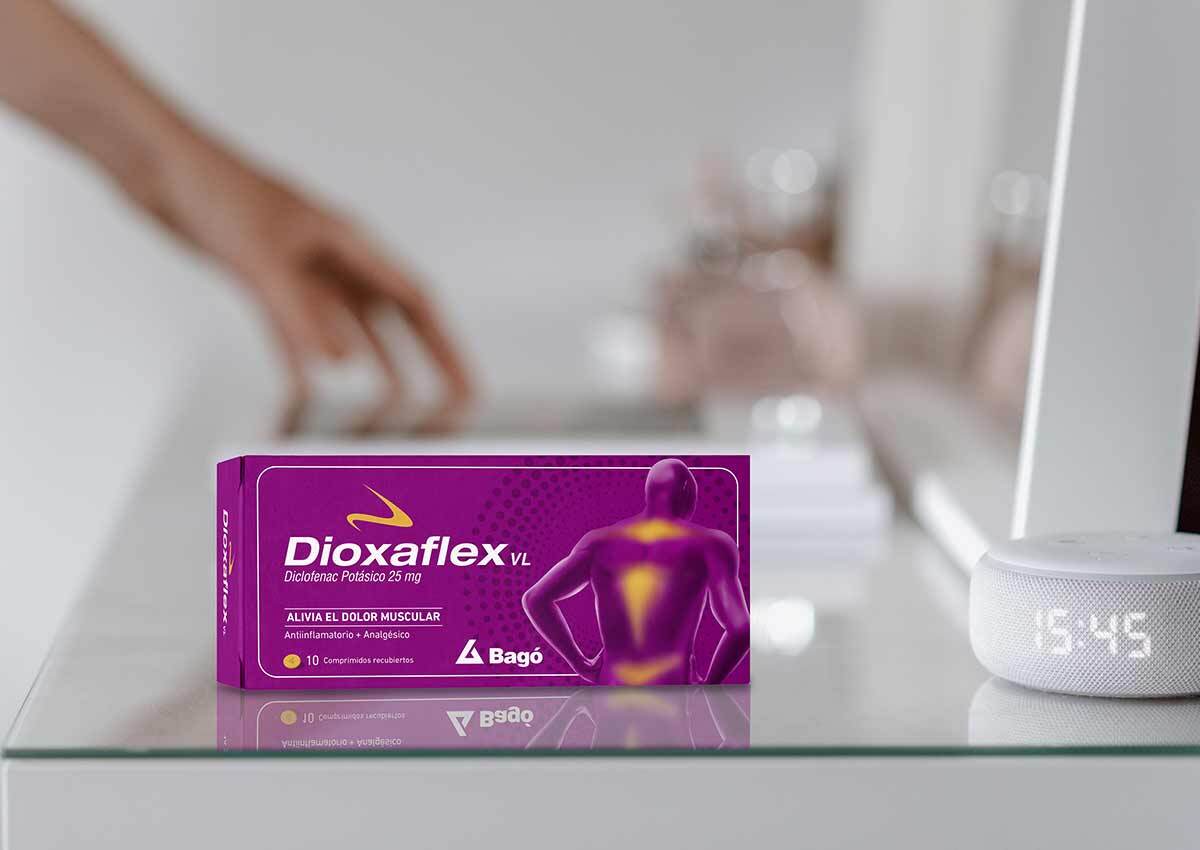
In FMCG, buying decisions happen in seconds. The “first moment of truth” — when a consumer sees your product — often decides the sale. Packaging clarity, color contrast, and brand hierarchy determine whether your product earns that instant of attention or gets overlooked. Effective packaging translates positioning into visual impact. It makes the decision easy by clearly communicating what the product is, why it matters, and how it fits the shopper’s needs — all within a single glance.
Triggering Impulse Purchases Through Visual Cues
Impulse buying is driven by emotional triggers. Vibrant colors, limited-edition visuals, or an unexpected design twist can create a “stop and grab” moment that converts browsing into buying. Packaging that stimulates curiosity or appetite drives immediate engagement, especially in competitive categories like snacks, beverages, and confectionery. By combining intuitive design with emotional resonance, brands can transform everyday shopping into an exciting discovery — one that rewards curiosity and builds brand energy.
Packaging as a Shortcut for Product Quality and Value
Consumers often judge product quality by packaging cues. Premium finishes, balanced composition, and confident branding subconsciously signal higher value. In the FMCG space, design is perception — and perception directly drives price elasticity. Marketers can leverage this power to reposition products or justify pricing through improved packaging systems. When executed strategically, design turns into a visible expression of your brand promise and the quality behind it.
Packaging's Impact on Shelf Presence and Visibility
Winning the Shelf: Competing for Attention in Seconds
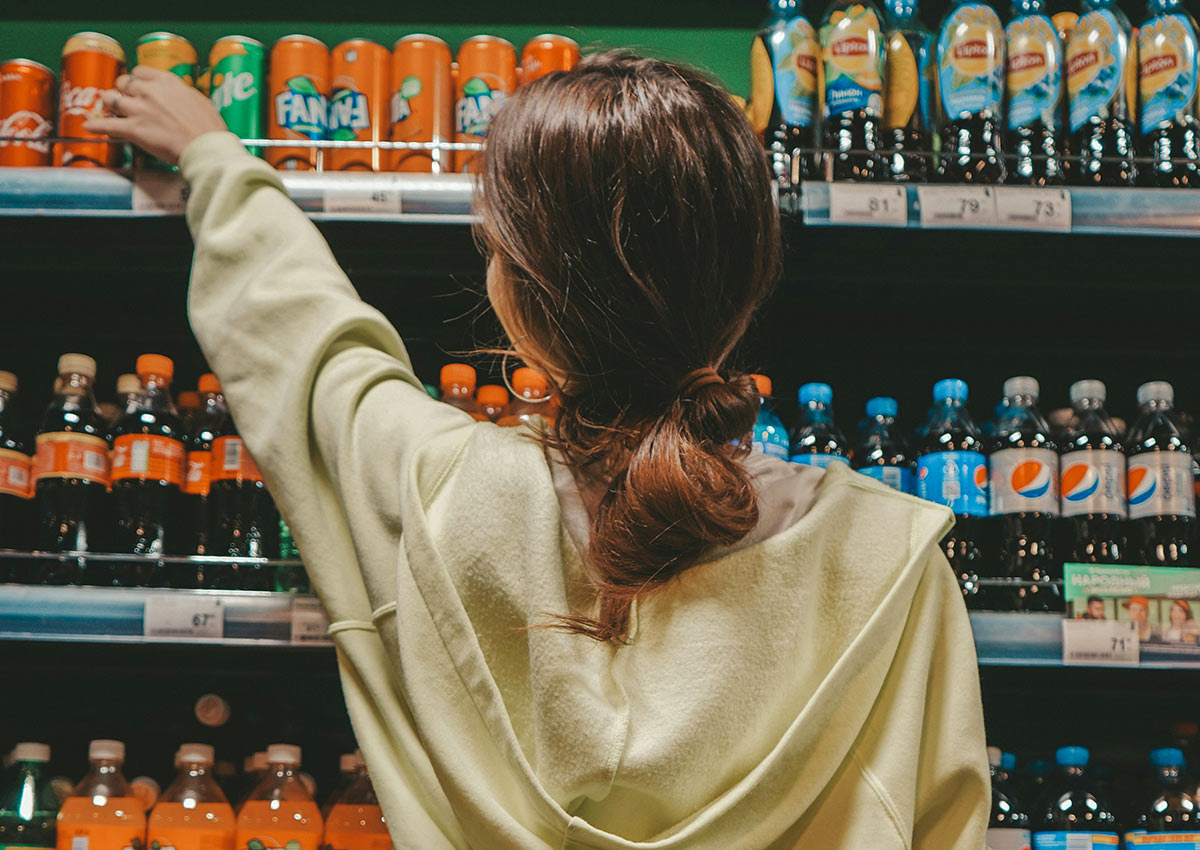
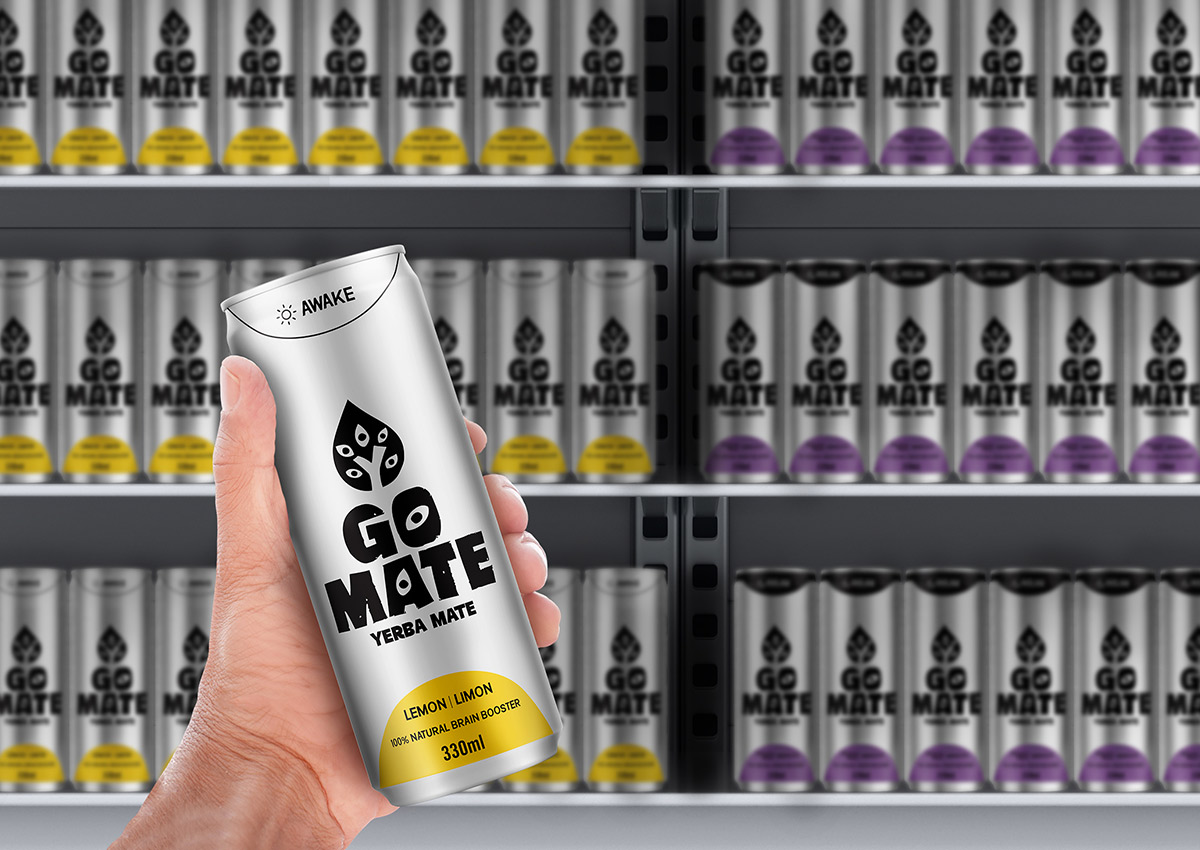
At the point of sale, your packaging competes with hundreds of visual stimuli. Bold contrast, clear branding, and distinctive structure help your product claim attention within the crucial first three seconds of a shopper’s decision process. Visibility drives sales. Successful FMCG brands engineer their packaging to perform from every angle — shelf, cooler, or digital grid — ensuring they dominate the visual field and maximize conversion opportunities
Optimizing Hierarchy, Contrast, and Readability
Design hierarchy determines where the eye lands first. When logo, flavor, and benefit cues are optimized for readability, consumers process the information effortlessly. Clarity builds confidence — and confidence drives purchase. Contrast and proportion are not just aesthetic choices; they’re strategic tools. Great packaging leads the eye naturally, ensuring that key selling points shine even from a distance or in motion.
Using Structure and Format to Command Space
Form can be as distinctive as graphics. A unique bottle, cap, or folding system can give a product physical personality that reinforces brand identity and improves functionality. Structural innovation not only differentiates but also enhances usability and storage efficiency. Packaging structure becomes a key brand asset — an instantly recognizable silhouette that consumers associate with trust, familiarity, and desirability.
Communicating Brand Values Through Packaging
Translating Brand Positioning into Visual Codess

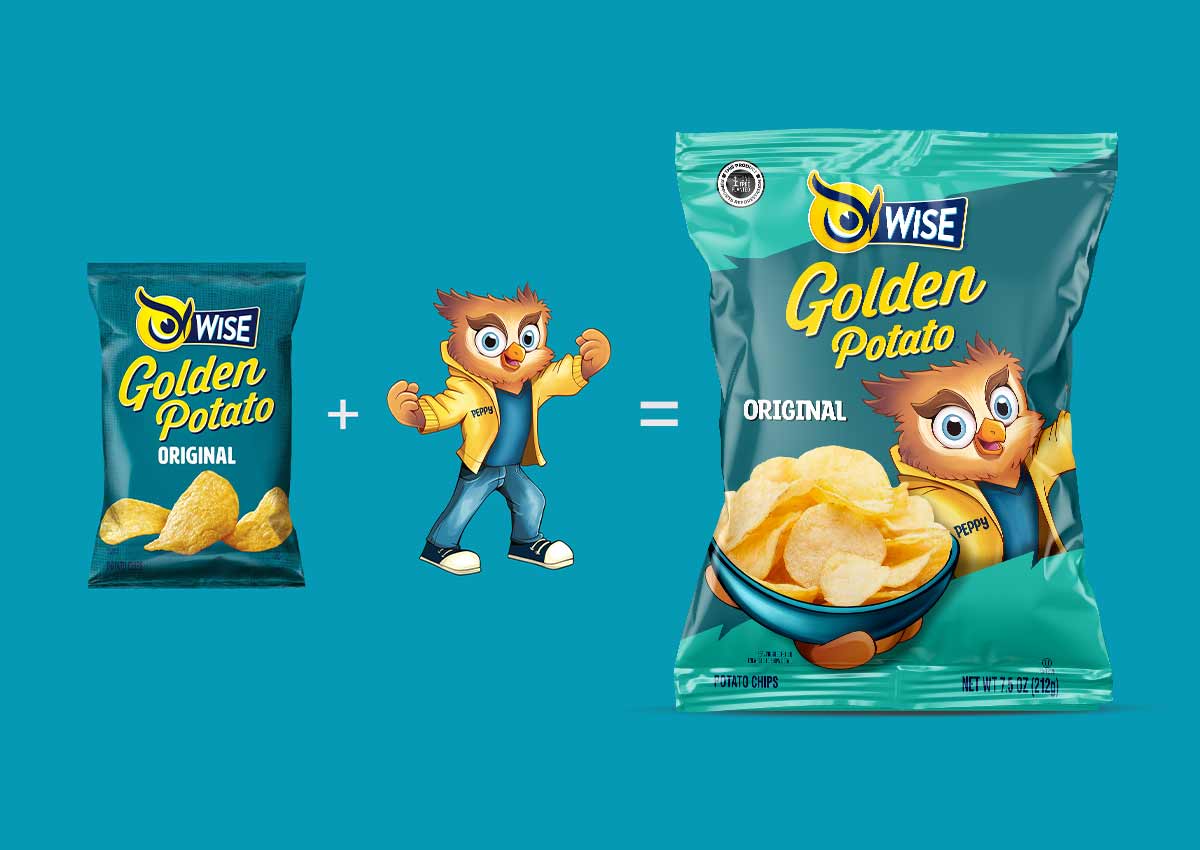
Your packaging is a brand ambassador. Every line, shape, and texture translates your strategic positioning into a tangible consumer experience. From premium to playful, minimalist to expressive, design language conveys who you are before a word is read. When the visual identity aligns with your brand story, packaging becomes a physical manifestation of your promise — making your brand memorable and meaningful at every touchpoint.
Aligning Verbal and Visual Messaging
Visual storytelling works best when supported by clear verbal communication. Naming, descriptors, and claims must flow naturally within the design, reinforcing the emotional and functional benefits of the product. When words and visuals work in harmony, they build credibility and enhance consumer understanding. The result: faster decisions, stronger brand preference, and deeper trust
Reinforcing Trust, Authenticity, and Brand Promise
Authenticity is one of the most powerful assets in modern marketing. Transparent, coherent packaging that feels true to your brand reinforces credibility and long-term loyalty. Consumers can sense when a design reflects genuine care and consistency. Every material, label, and graphic choice is a chance to reaffirm your values. Consistency turns packaging from decoration into reputation.
Let’s Create Packaging That Moves Your Brand Forward
In FMCG, packaging is the brand’s most powerful marketing tool — a combination of design, strategy, and emotion that lives where purchase decisions are made. At Imaginity, we help marketing teams turn packaging into growth: transforming visibility into value, design into differentiation, and products into experiences consumers love.
Ready to elevate your packaging strategy? Let’s design what your brand deserves — packaging that stands out, connects, and sells.