
How to Write a Packaging Design Brief
A practical guide to defining the objectives, audience, scope and decision criteria that shape a packaging design project.

THE BRIEF
A packaging design brief defines the decisions a project must address before creative development begins. It brings the business objective, audience, product, brand, markets, channels and operational requirements into one shared reference.
A strong brief does not prescribe the final design. It establishes what must remain recognizable, what can change and how the client and design team will evaluate the proposed directions.


Why a Packaging Design Brief Matters
Packaging projects involve business, brand and production decisions that extend beyond visual style. A launch may need to establish a new identity, while a packaging redesign may need to modernize the brand without losing recognition. A line extension must introduce something new while remaining part of a coherent portfolio.
Without a clear brief, stakeholders may assess creative work using different priorities. One person may focus on shelf visibility, another on brand continuity and another on claims or production requirements. The brief establishes a common set of objectives and decision criteria before concepts are presented.


The Client’s Point of View
The client brings essential knowledge about the business, brand, product and market opportunity. This includes commercial priorities, consumer knowledge, internal constraints, retailer requirements and the reasons the project is taking place.
Two brands facing a similar market situation may require very different packaging responses. Their positioning, audiences, portfolio structure and existing brand equity determine which design decisions are appropriate. Capturing that context gives the creative team a clear strategic starting point.
What to Include in a Packaging Design Brief
1. Business Objective
State why the project is happening. Is it a new product launch, packaging redesign, line extension, portfolio consolidation, market expansion or response to a change in the category?
2. Brand and Product Context
Describe the brand, the product and their roles within the portfolio. Include the positioning, value proposition, relevant history and any existing perceptions the design must reinforce or change.
3. Target Audience
Define the people the packaging must address, including their needs, shopping context, priorities and relationship with the category. Use available customer or market evidence rather than broad demographic assumptions.
4. Market and Competitive Context
Identify the markets, retail environments and principal competitors. Note the visual conventions of the category, opportunities for differentiation and any regional or cultural considerations.
5. Brand Equity to Retain
List the elements consumers already recognize, such as the logo, color, typography, character, product imagery, structural format or distinctive graphic assets. Clarify which elements are fixed and which are open to development.
6. Product Range and SKU Architecture
Define the number of products, variants, flavors, sizes and formats included in the project. Explain how the product-line architecture should distinguish between them and accommodate future extensions.
7. Markets and Sales Channels
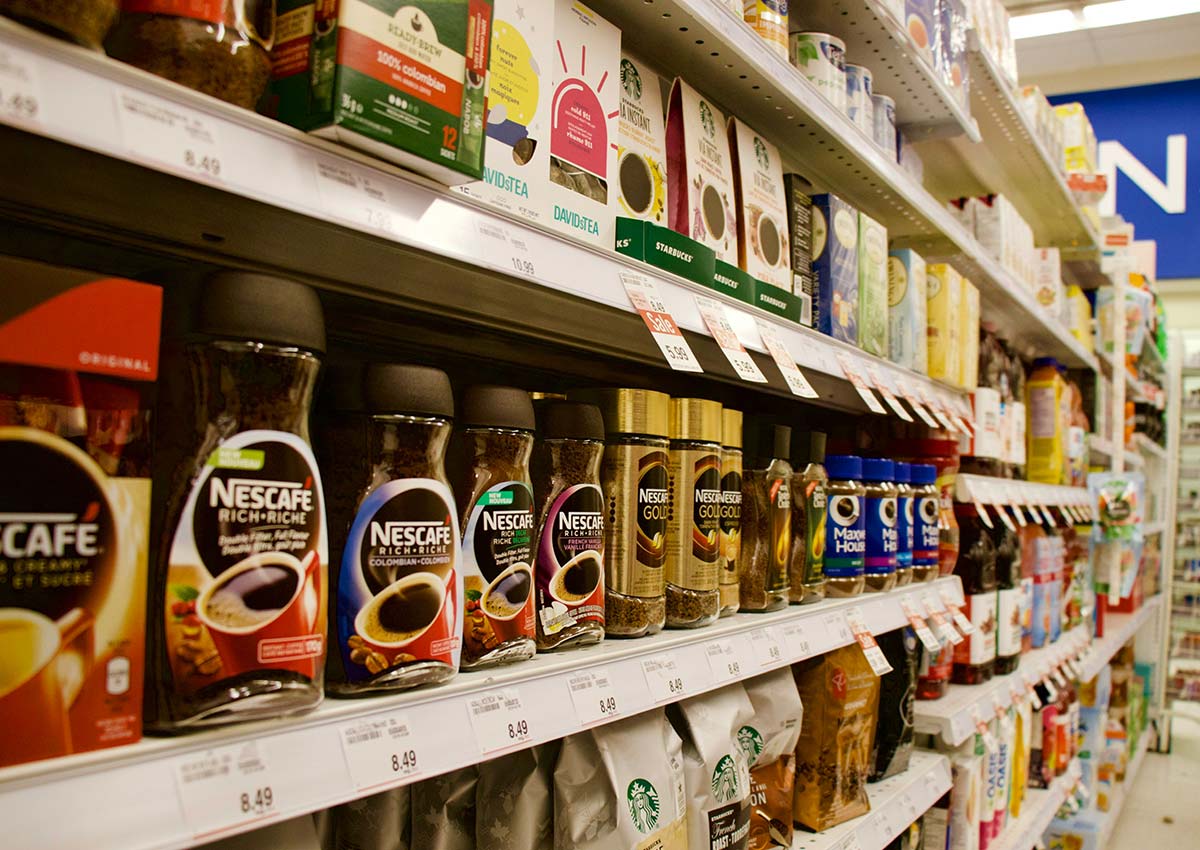
Specify where the product will be sold, including supermarkets, pharmacies, club stores, convenience stores, specialist retail or e-commerce platforms. Packaging must remain clear on the physical shelf and across the digital shelf.
8. Required Information and Technical Inputs
Identify mandatory claims, product descriptors, ingredients, warnings, legal text, certifications and retailer requirements. The client, manufacturer, printer or regulatory team should supply approved copy, confirmed dielines and applicable technical specifications.
9. Deliverables, Timing and Decision Makers
Define the required design outputs, project milestones, launch date, review stages and approval responsibilities. Naming the final decision makers at the beginning creates a clearer feedback process.


Packaging Design Brief Checklist
What business change has initiated the project?
What should consumers understand at first glance?
Which audience and shopping occasion are most important?
Which brand assets must remain recognizable?
Which elements are open to redesign?
How many SKUs, formats, sizes and markets are included?
How should consumers navigate the product range?
Which claims and mandatory information must appear?
Where will the packaging appear in physical and digital retail?
Who reviews the work and who gives final approval?
Which deliverables and launch dates define the scope?

How Imaginity Uses the Packaging Brief
Imaginity reviews the brief with the client before creative development begins. This discussion separates confirmed requirements from open questions, identifies missing inputs and establishes the criteria that will be used to assess the work.
During creative exploration, the brief remains the reference for decisions about visual identity, hierarchy, imagery, color, typography, structural form and product-line navigation. Feedback can then be connected to agreed objectives rather than personal preference alone.
If the project scope, product range or market requirements change, the brief should be updated. Keeping it current gives every stakeholder the same view of the project throughout development.
From Brief to Packaging Design
A clear packaging design brief creates the foundation for focused creative work, constructive feedback and a packaging system aligned with the brand, audience and commercial context.
Explore our packaging design services or discuss your packaging project with Imaginity.