How Packaging Design Shapes Brand Image in Snacks


At Imaginity, we see packaging design as one of the most powerful levers a brand can pull. Beyond visual appeal, packaging is a behavioral and emotional cue—a silent ambassador that influences how consumers perceive health, taste, and even brand credibility. One striking example comes from the snack industry, where brands that shifted from glossy to matte finishes saw a dramatic change in how shoppers viewed their products: the same chips inside, but now perceived as healthier, lighter, and more permissible.
Packaging as a Driver of Brand Image
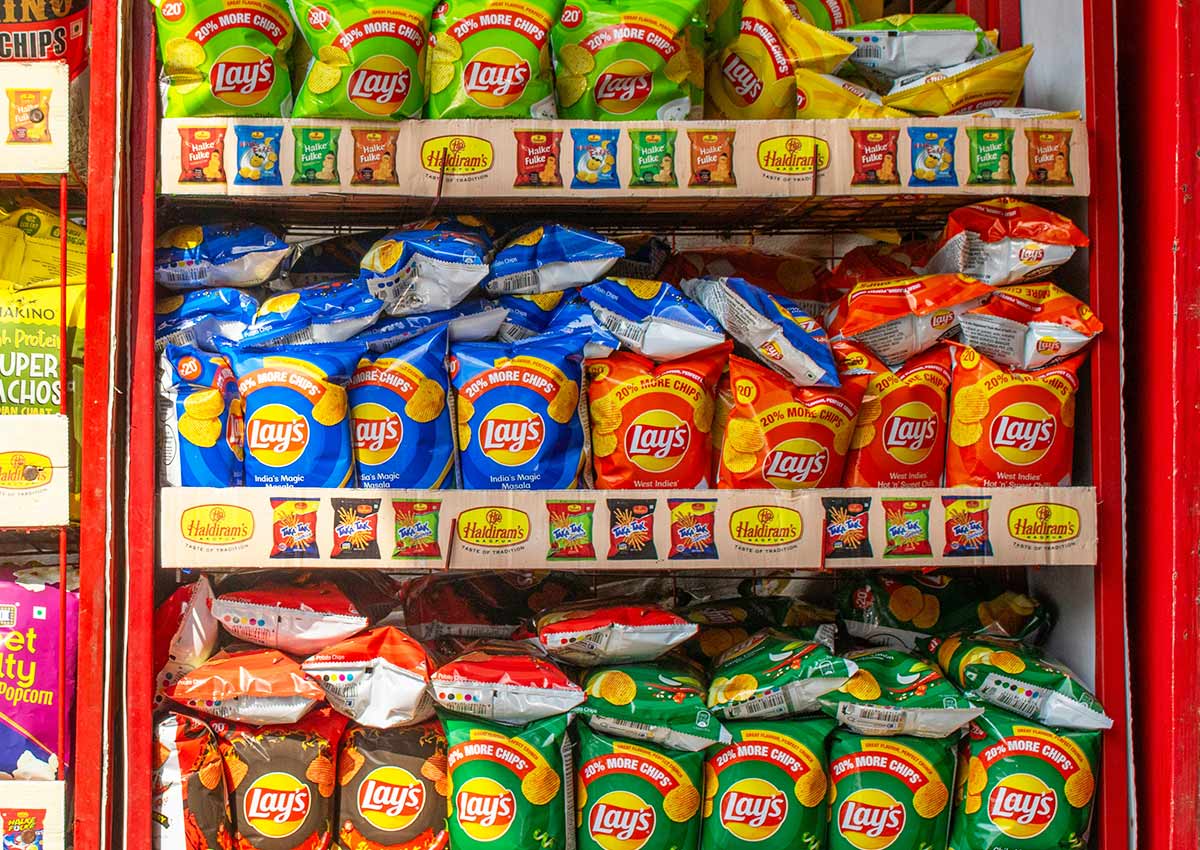
Packaging isn’t only about single purchase decisions—it shapes long-term brand equity.
- First impressions matter. Research suggests up to 20% of brand image is created at the packaging level. A consumer may never see your ads, but they will see your pack on shelf.
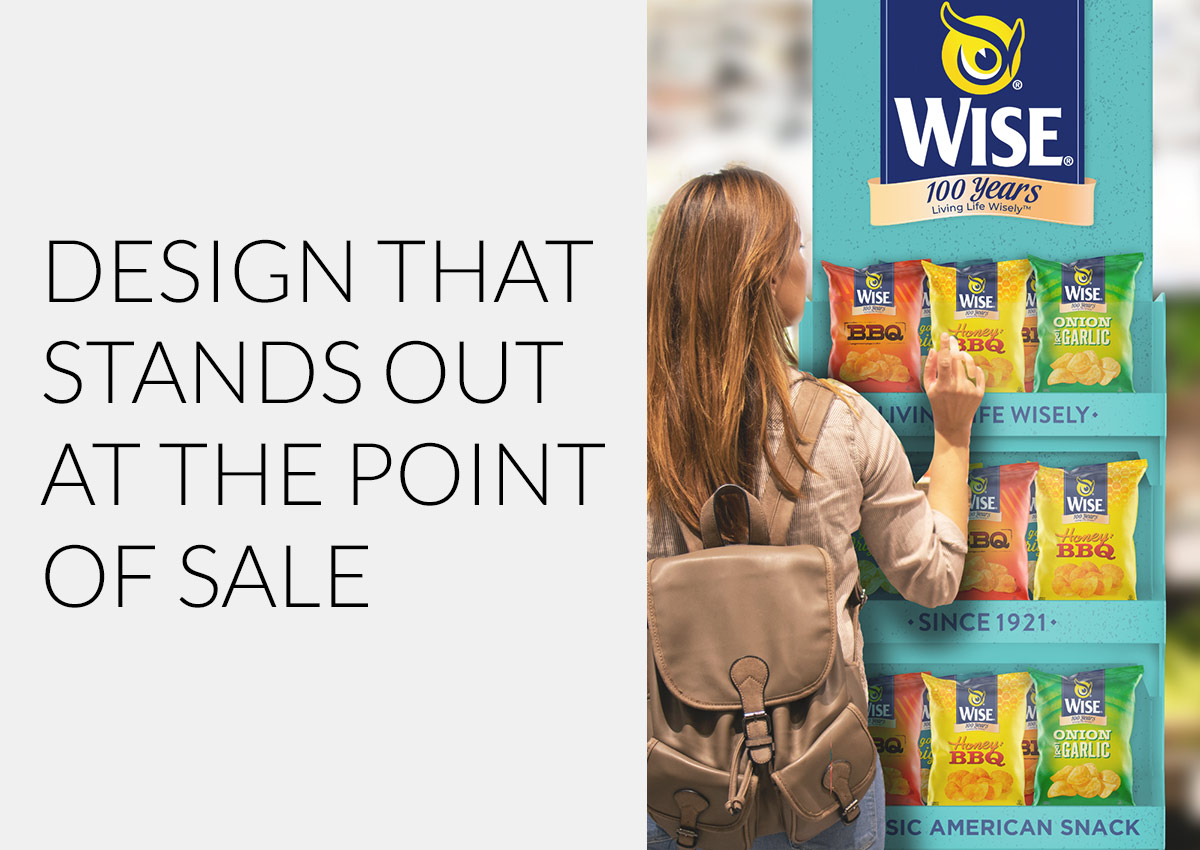
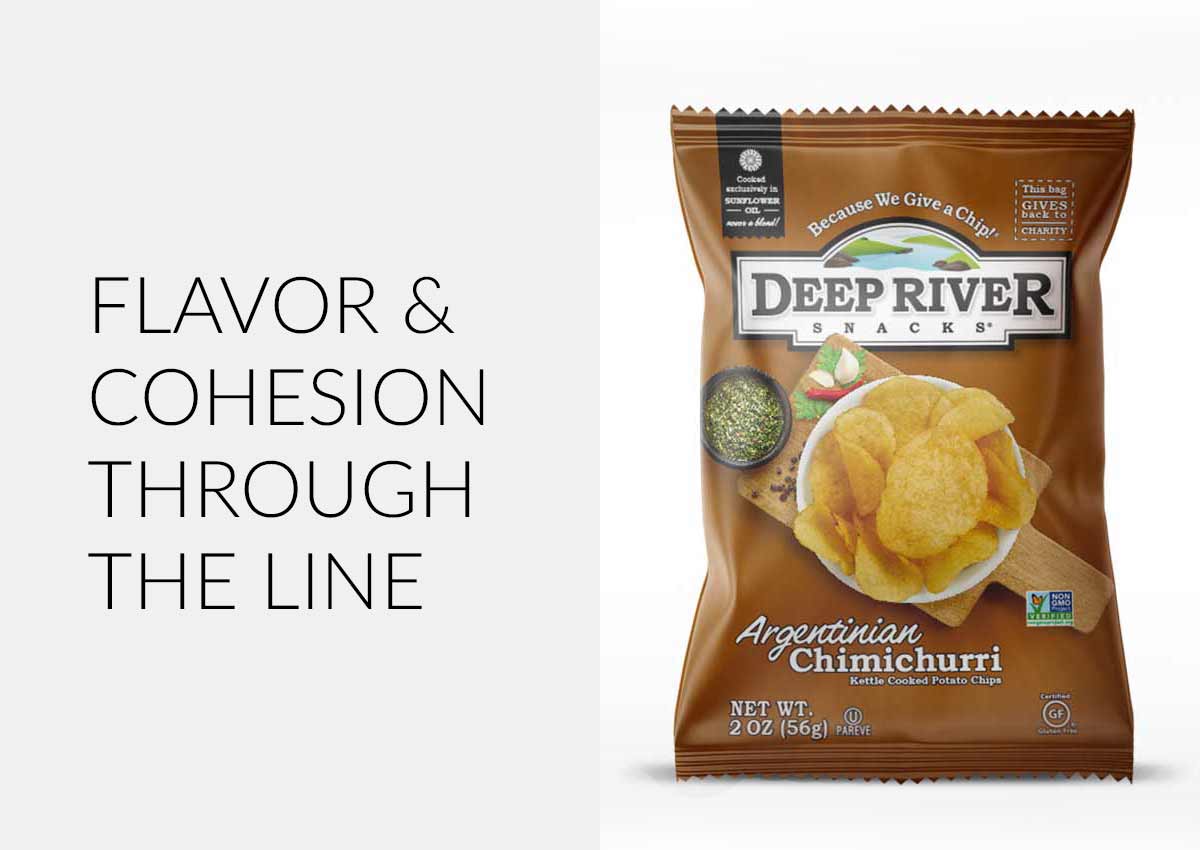
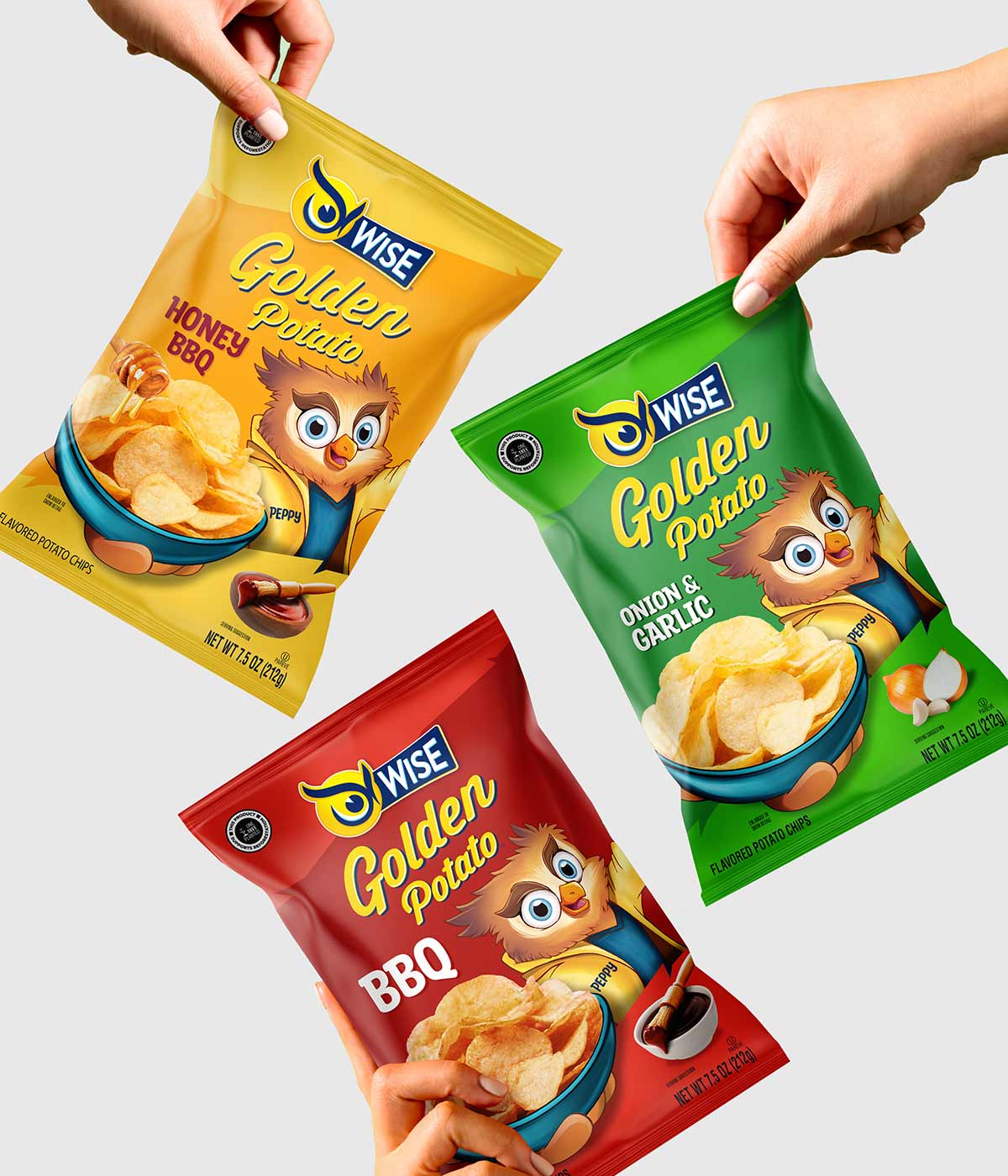
- Consistency builds trust. A coherent packaging system—across flavors, SKUs, or categories—reinforces identity and helps brands stay recognizable in crowded aisles.
- Perceptions endure. Just as glossy signals indulgence and matte signals health, minimalist packs suggest premium, colorful designs suggest fun, and natural textures suggest sustainability. These associations build the brand story in the consumer’s mind.
- Design that lasts. Some of the most successful brands use packaging systems that endure for decades, proving that smart design has a compounding effect on recognition and trust.
At Imaginity, we call this the “packaging multiplier effect”: every pack on shelf is a brand impression, magnified by thousands of daily shopper encounters.
From Glossy to Matte: A Subtle but Powerful Shift

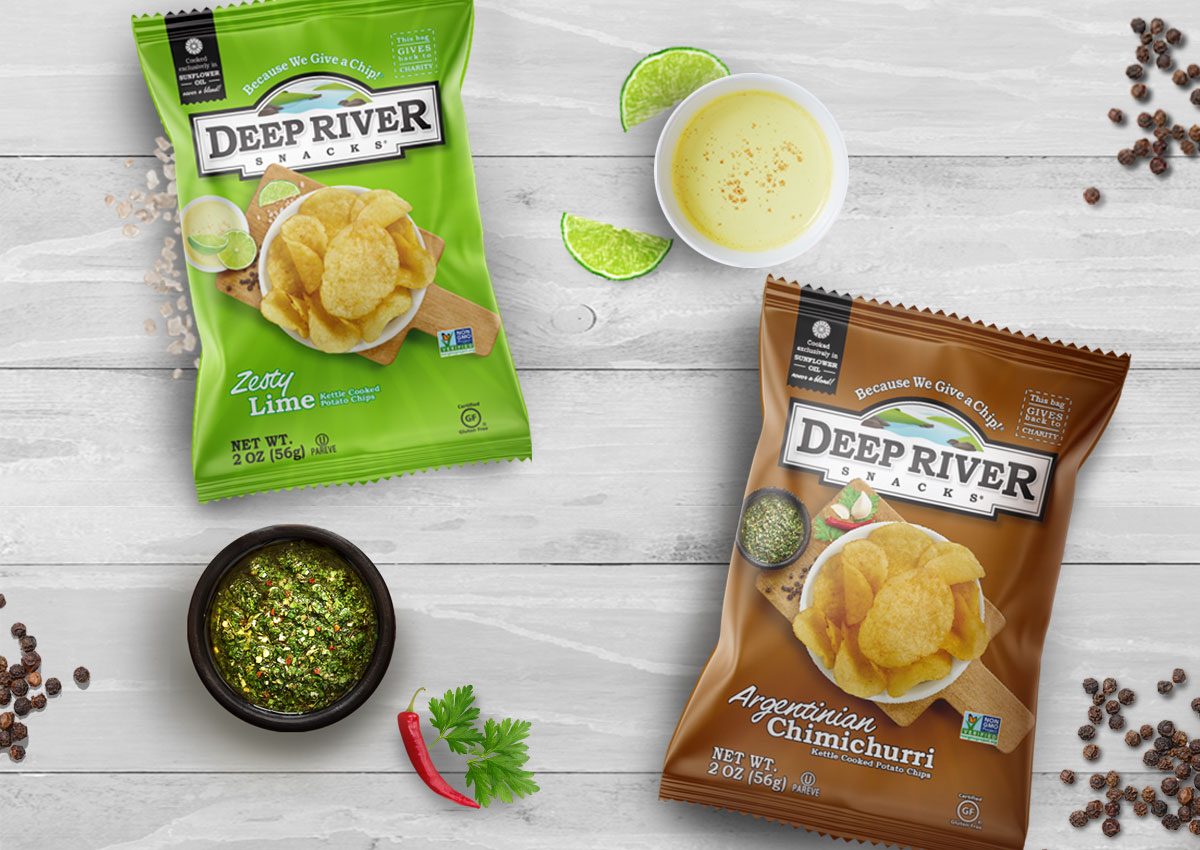
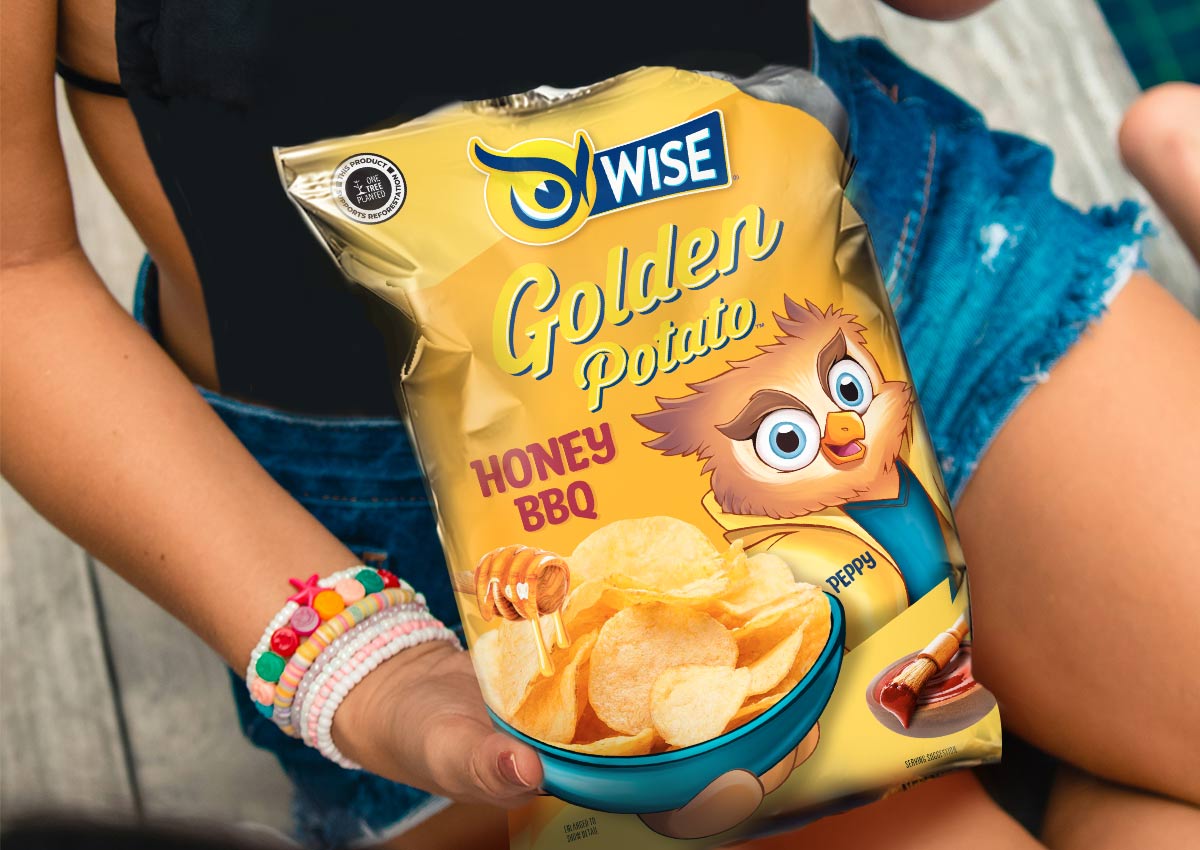
Shiny, reflective packaging has long been used in indulgent categories to suggest excitement, boldness, and richness. But in “better-for-you” spaces, this signal can backfire—creating subconscious associations with grease, oil, or artificiality.
Matte finishes, on the other hand, are intuitively linked with naturalness, simplicity, and health. For health-positioned snacks, beverages, or baked goods, this subtle shift in material finish can instantly reframe consumer perceptions, even before they read a single word on the pack.
Key takeaway: Finish is not neutral—it speaks volumes about the brand’s promise.
Why It Works: The Science Behind Shopper Psychology
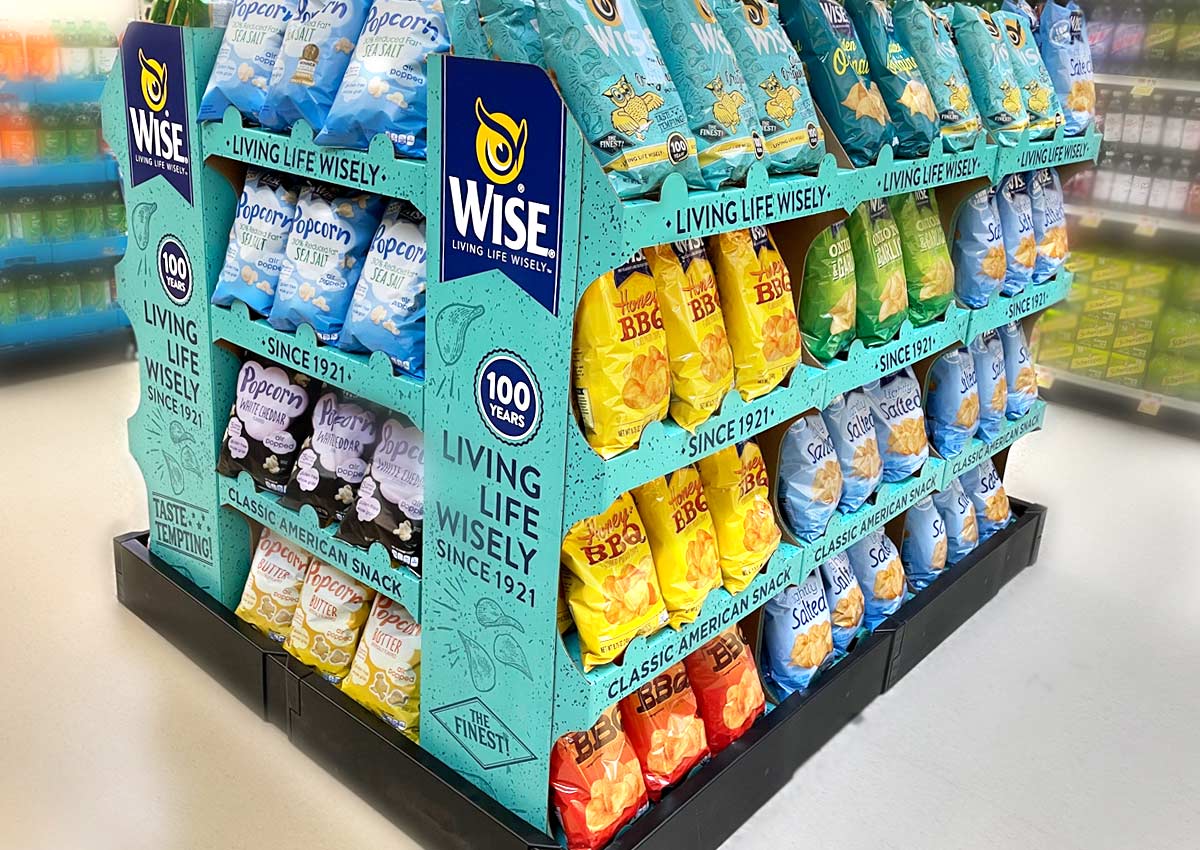
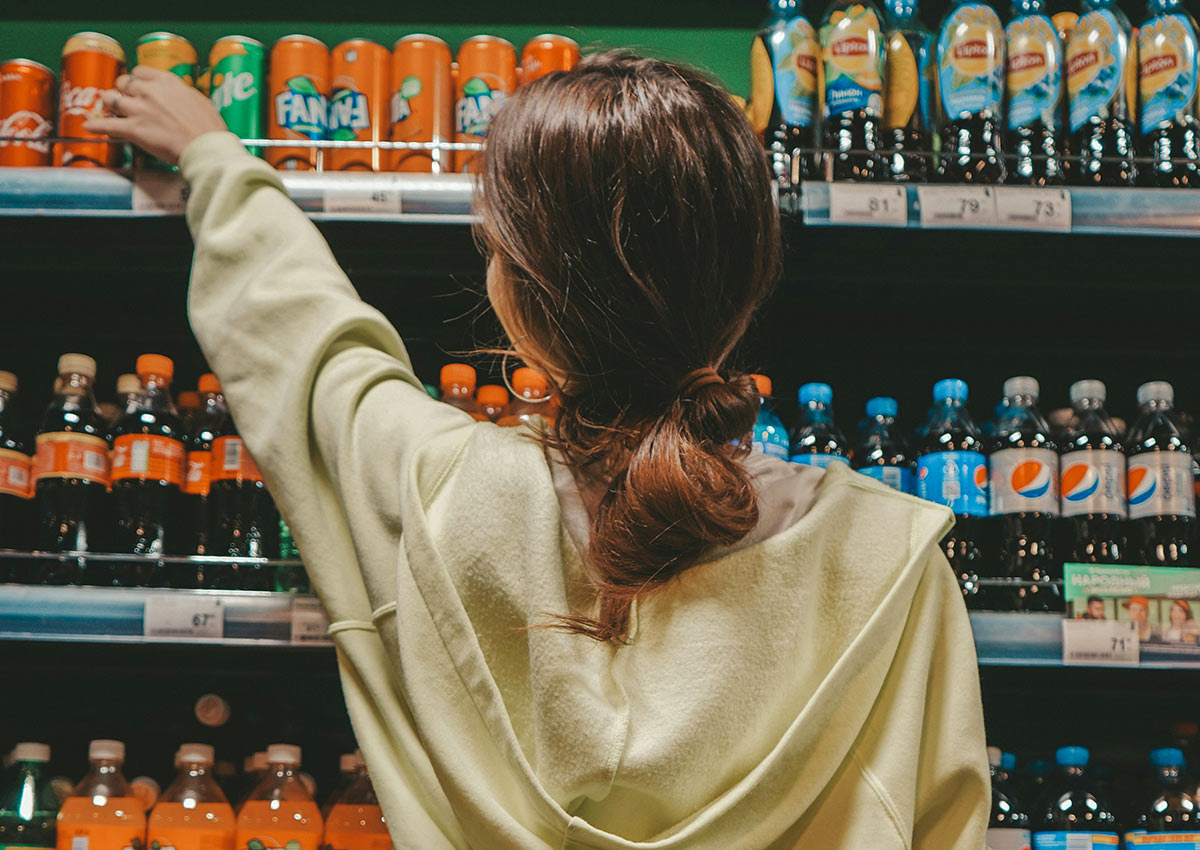
Decades of consumer psychology research confirm what designers have observed in practice:
- “Many consumers have internalised an association between glossy packaging and greasy (or unhealthy) food products.” (Foods, Spence, 2021)
- “Glossy packages are seen as a signal of fatness,” making products feel less healthy and even less tasty. (Nutrients, De Kerpel et al., 2020)
- “Consumers… form their ideas about whether a snack is healthy through the food’s packaging.” (Journal of Consumer Psychology, Morrin & Ye, 2023)
The science shows that packaging finish can override rational product knowledge. The chips, crackers, or beverages inside don’t change—but the perceived healthiness does.
Market Impact of Packaging Cues
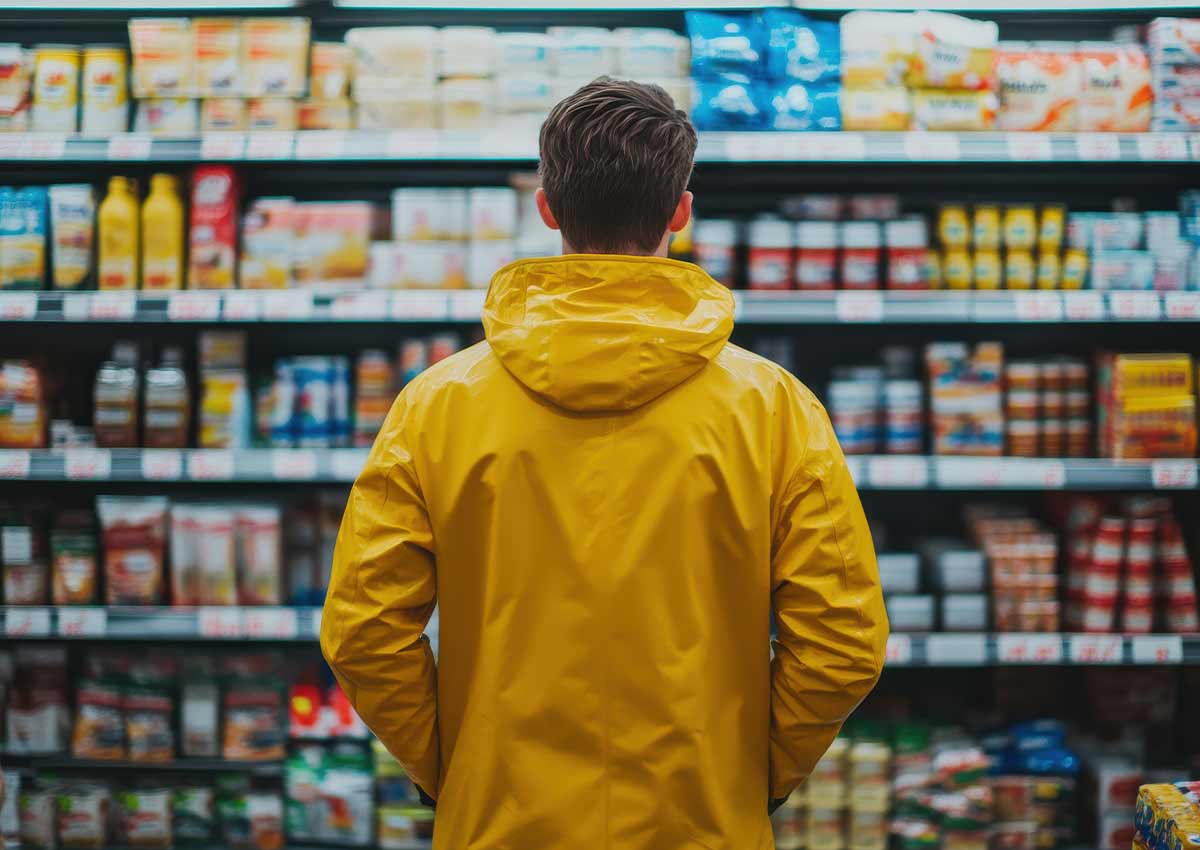
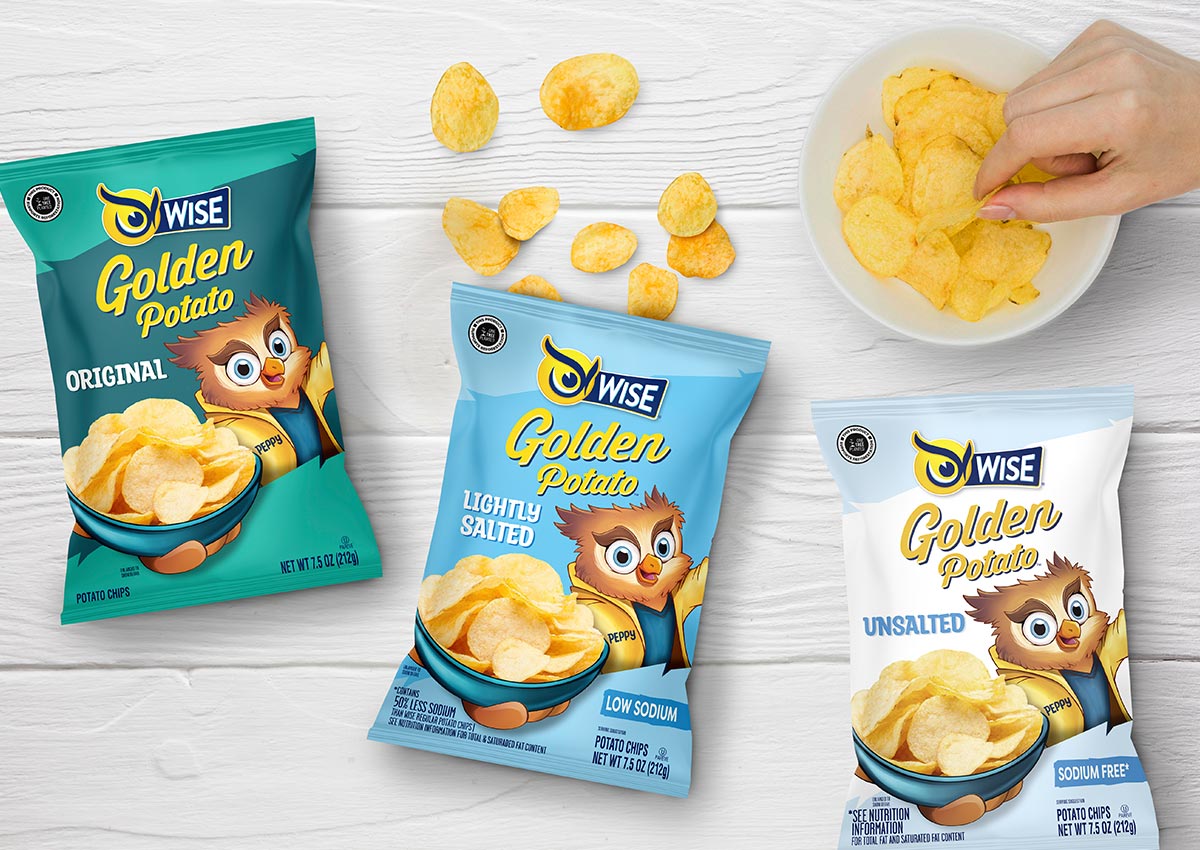
Brands that redesign packaging with psychology in mind see measurable gains:
- Health-positioned ranges adopting matte finishes align better with consumer expectations and reduce purchase guilt.
- Premium brands using restrained design cues (matte, embossing, minimalist layouts) build price justification and loyalty.
- Mass-market ranges using bright, glossy designs drive impulse and excitement where indulgence is the value proposition.
In every case, the key is alignment between brand promise and design execution.
What This Means for Your Brand
For companies competing in snacks, beverages, and FMCG categories, packaging is not just decoration—it’s strategy.
- Finish signals intent. Matte = natural/healthy. Glossy = indulgence/luxury.
- Design builds equity. Every choice—finish, typography, imagery, color—shapes how the brand is remembered.
- Packaging drives behavior. The right design reduces friction, changes perception, and motivates purchase.
At Imaginity, we combine design craft, shopper psychology, and strategic insight to help brands create packaging that not only looks good—but also drives sales and strengthens brand image over time.